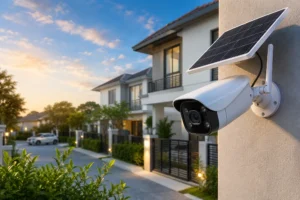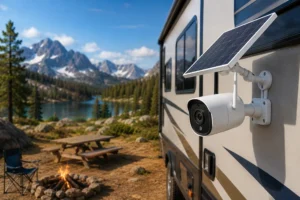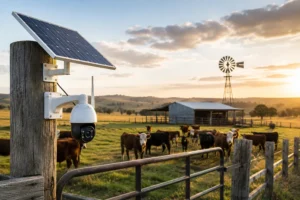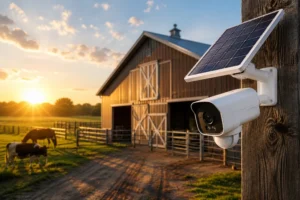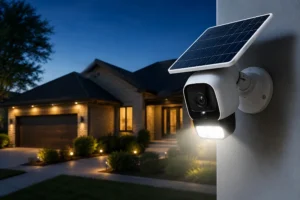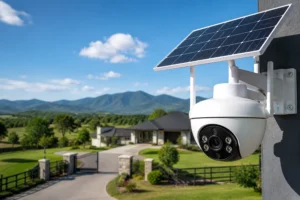
Camping feels different today. People bring more expensive gear, travel farther into remote areas, and spend longer periods off-grid. That shift explains why portable solar camera camping systems have exploded in popularity. Campers no longer want to leave trailers, coolers, generators, bikes, or fishing gear unattended without some level of monitoring.
And honestly, it makes sense.
Modern campsites are not always isolated wilderness escapes anymore. Many campgrounds stay crowded year-round. Public camping areas can experience theft, vandalism, wildlife disturbances, and accidental property damage. A portable solar camera camping setup helps solve those problems without forcing campers to rely on noisy generators or complicated wiring.
The biggest advantage?
Freedom.
Solar-powered cameras work almost anywhere sunlight exists. No extension cords. No permanent installations and no dependence on campground electrical hookups. Just portable security that moves with you.
For campers who spend days hiking, kayaking, overlanding, or exploring remote trails, that flexibility becomes incredibly valuable.
What Is a Portable Solar Camera Camping System?
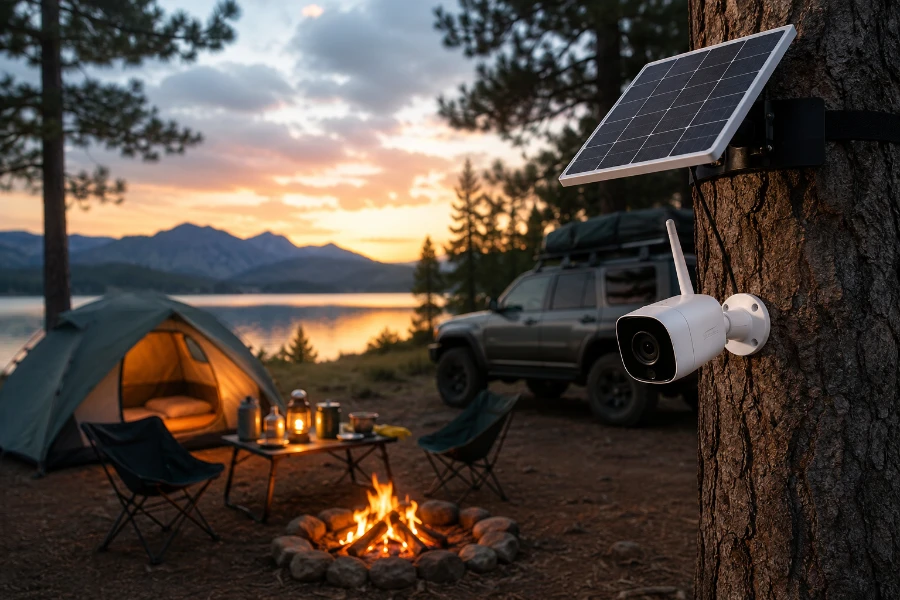
A portable solar camera camping system is a wireless security setup powered by rechargeable batteries and solar panels. The camera captures footage while the solar panel continuously recharges the internal battery during daylight hours.
Most setups include:
- Wireless outdoor camera
- Small solar panel
- Rechargeable lithium battery
- Motion detection sensors
- Mobile app connectivity
- Cloud or SD card storage
Some models use WiFi. Others rely on 4G LTE cellular networks for remote viewing in areas without internet access.
That distinction matters more than many campers realize.
A WiFi solar camera works well at established RV parks with campground internet. A 4G LTE solar camera performs better for dispersed camping, national forest trips, hunting camps, or remote overlanding routes where traditional internet simply does not exist.
The goal stays the same either way.
Reliable security without requiring external power.
Why Portable Solar Camera Camping Is Becoming So Popular
Camping equipment costs have increased dramatically over the last few years. High-end coolers, lithium power stations, electric bikes, fishing electronics, rooftop tents, and portable generators can easily add thousands of dollars to a campsite.
Leaving all that unattended feels uncomfortable.
Portable solar camera camping systems reduce that anxiety significantly. Campers can check live footage from their phones while hiking, boating, or exploring nearby towns. Motion alerts immediately notify users if someone approaches the campsite.
That peace of mind changes the entire experience.
I have also noticed another growing trend. Many campers now use solar cameras for wildlife observation rather than security alone. Trail-facing cameras often capture deer, bears, raccoons, coyotes, and other nighttime activity around camp.
That adds a completely different layer of enjoyment to outdoor trips.
Families especially appreciate this feature because children love reviewing overnight wildlife footage in the morning.
Key Features That Matter Most
Not every solar camera performs well outdoors. Camping environments create unique challenges that typical home security systems never encounter.
Choosing the right features makes a huge difference.
Battery Capacity
Battery performance should always be the first priority.
Some low-cost solar cameras advertise impressive features but fail after one cloudy day. That becomes frustrating fast during multi-day camping trips.
Look for:
- Large rechargeable battery capacity
- Low standby power consumption
- Efficient motion recording
- Minimum several days of backup runtime
Motion-triggered recording conserves energy far better than continuous recording.
That single setting alone can dramatically extend battery life.
Solar Charging Efficiency
Solar panel quality matters more than flashy marketing claims.
Monocrystalline panels usually outperform cheaper polycrystalline panels because they generate better charging efficiency in limited sunlight conditions. Modern portable solar camera camping systems rely heavily on advances in photovoltaics, which improved solar charging efficiency for smaller off-grid devices.
This becomes critical in:
- Forest campsites
- Cloudy weather
- Winter camping
- Shaded RV parks
A weak solar panel may struggle to keep up with heavy nighttime recording demands.
Night Vision Performance
Most campsite activity problems happen after dark.
That means poor night vision instantly reduces a camera’s usefulness.
Good portable solar camera camping systems should provide:
- Clear infrared night vision
- Wide visibility range
- Motion clarity
- Minimal image blur
Some advanced cameras now include color night vision with integrated spotlights. Those systems create much sharper footage around campsites.
Weather Resistance
Outdoor camping gear takes abuse.
Rainstorms happen. Dust appears everywhere. Wind shakes mounts. Heat becomes intense inside exposed campsites.
Look for weather ratings like:
| Rating | Protection Level |
| IP65 | Dust resistant and rain protected |
| IP66 | Strong water resistance |
| IP67 | Temporary immersion protection |
Higher protection ratings generally improve long-term reliability outdoors.
Best Places to Install a Camping Solar Camera
Camera placement changes everything.
Even excellent hardware performs poorly when installed incorrectly.
Near Tent Entrances
Positioning cameras near sleeping areas improves nighttime visibility while discouraging unwanted visitors from approaching gear.
Mount cameras slightly elevated for wider coverage.
Facing RV Doors
RV campers benefit from monitoring entry doors, storage compartments, and hitch connections.
This is especially useful during overnight parking stops.
Monitoring Coolers and Equipment
Portable generators, coolers, grills, bikes, and fishing equipment are common theft targets.
A camera aimed toward high-value gear creates better protection.
Elevated Tree Mounts
Higher placement improves motion detection range and visibility.
Many campers attach cameras using:
- Adjustable straps
- Magnetic mounts
- Clamp systems
- Lightweight tripods
Avoid mounting too high though. Extreme height sometimes reduces facial detail and identification quality.
Portable Solar Camera Camping for Different Camping Styles
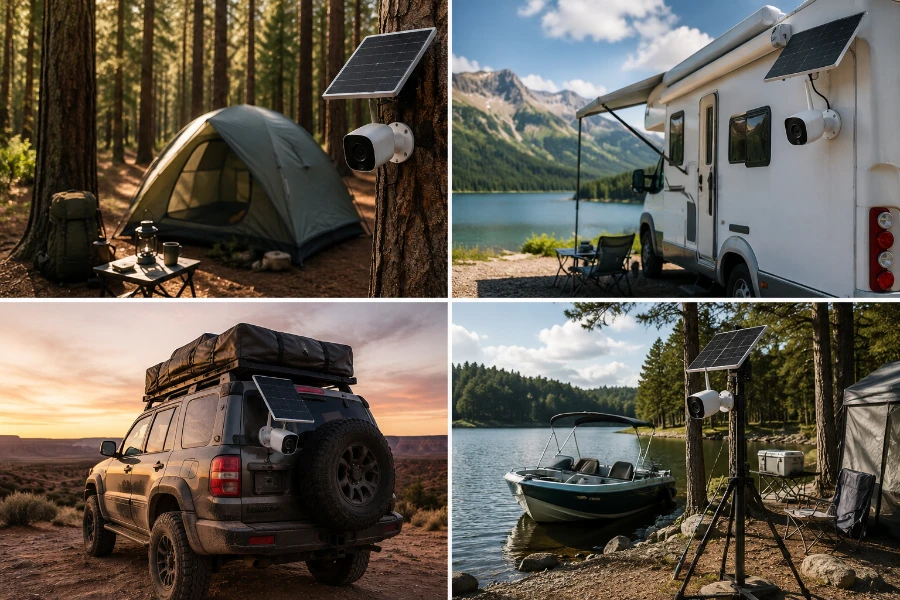
Different outdoor setups require different security approaches.
Tent Camping
Tent campers usually prioritize lightweight equipment.
Compact cameras with foldable solar panels work best because they pack easily inside backpacks or storage bins.
Portable mounting options help too.
Temporary mounts allow campers to reposition cameras quickly without damaging trees or campsite property.
RV Camping
RV users often create more advanced security layouts.
Some setups include:
- Multiple perimeter cameras
- Door monitoring
- Storage bay coverage
- Trailer hitch surveillance
Long-term RV travelers especially appreciate continuous solar charging because it reduces maintenance.
Overlanding
Overlanding creates harsher conditions than traditional camping.
Dust, vibration, mud, and rough terrain constantly challenge equipment durability.
Overlanders should prioritize:
- Rugged housing
- Shock-resistant mounting
- Strong waterproofing
- LTE connectivity
Remote desert routes and mountain trails often lack reliable WiFi entirely.
Boat and Lakeside Camping
Waterfront camping introduces moisture problems many people underestimate.
Condensation alone can damage poorly sealed electronics over time.
Look for corrosion-resistant materials and properly sealed charging ports if camping near lakes, rivers, or coastal environments.
Advantages of Portable Solar Camera Camping Systems
The appeal goes beyond basic surveillance.
These systems solve several major camping frustrations at once.
Completely Off-Grid Operation
This is the biggest advantage.
Solar charging removes dependence on campground power hookups entirely. That flexibility supports:
- Dispersed camping
- Remote boondocking
- National forest campsites
- Hunting camps
- Long-term off-grid stays
Minimal Wiring
Nobody wants to run cables across campsites.
Wireless solar cameras eliminate that mess completely.
Setup becomes faster, cleaner, and safer.
Continuous Recharging
Daylight continuously restores battery power while campers explore nearby areas.
That ongoing charging cycle dramatically improves long-term usability.
Easy Relocation
Campsites change constantly.
Portable systems move easily between:
- Vehicles
- Tents
- Trees
- Picnic tables
- RV awnings
That adaptability makes portable solar camera camping systems much more versatile than fixed security setups.
Common Problems Campers Encounter
No security system works perfectly in every environment.
Understanding the limitations helps avoid disappointment later.
Heavy Tree Cover
Dense forests reduce solar charging efficiency significantly.
Campers sometimes mount cameras correctly but position solar panels poorly beneath heavy shade.
The result?
Weak charging and drained batteries.
Whenever possible, angle panels toward direct afternoon sunlight.
Connectivity Problems
Remote campsites often struggle with signal coverage.
LTE cameras help, but even cellular service becomes unreliable deep inside mountain valleys or isolated forests.
Before major trips:
- Check carrier coverage maps
- Test signal strength
- Download camera apps beforehand
- Update firmware at home
Preparation prevents frustration later.
Excessive Motion Alerts
Outdoor environments trigger constant movement.
Wind, insects, wildlife, and tree branches can overwhelm motion detection systems.
Reduce false alerts by:
- Lowering sensitivity settings
- Avoiding moving vegetation
- Positioning cameras carefully
- Using AI human detection when available
That simple adjustment greatly improves usability.
How to Improve Solar Camera Performance While Camping
Small setup changes create huge improvements.
Position Solar Panels Properly
The panel matters just as much as the camera itself.
Place solar panels where they receive:
- Long daylight exposure
- Minimal tree shade
- Direct afternoon sun
- Stable positioning
Even partial shade can reduce charging efficiency dramatically.
Use Motion Recording Instead of Continuous Recording
Continuous recording drains batteries quickly.
Motion-only recording conserves both:
- Battery life
- Storage space
Most campers rarely need nonstop recording anyway.
Carry Backup Power
Smart campers prepare for bad weather.
Portable battery stations or USB power banks provide valuable backup charging during several cloudy days.
That backup becomes extremely useful during storms.
Clean Panels Regularly
Dust and pollen slowly reduce charging performance.
A quick wipe with a microfiber cloth keeps solar efficiency much higher over long trips.
Campers should also follow basic outdoor safety and emergency preparation practices recommended by the National Park Service before setting up remote campsites or leaving equipment unattended for long periods.
Portable Solar Camera Camping vs Traditional Security Options
Not every campsite security solution works equally well outdoors.
| Feature | Portable Solar Camera | Battery Camera | Wired Camera |
| Power Source | Solar | Replaceable Batteries | External Power |
| Off-Grid Use | Excellent | Moderate | Poor |
| Setup Speed | Fast | Fast | Slow |
| Portability | High | Moderate | Low |
| Long-Term Runtime | Excellent | Limited | Good |
| Maintenance | Low | Moderate | High |
Portable solar camera camping systems usually provide the best balance between mobility and reliability.
That balance explains why they continue gaining popularity.
Smart Features That Actually Matter Outdoors
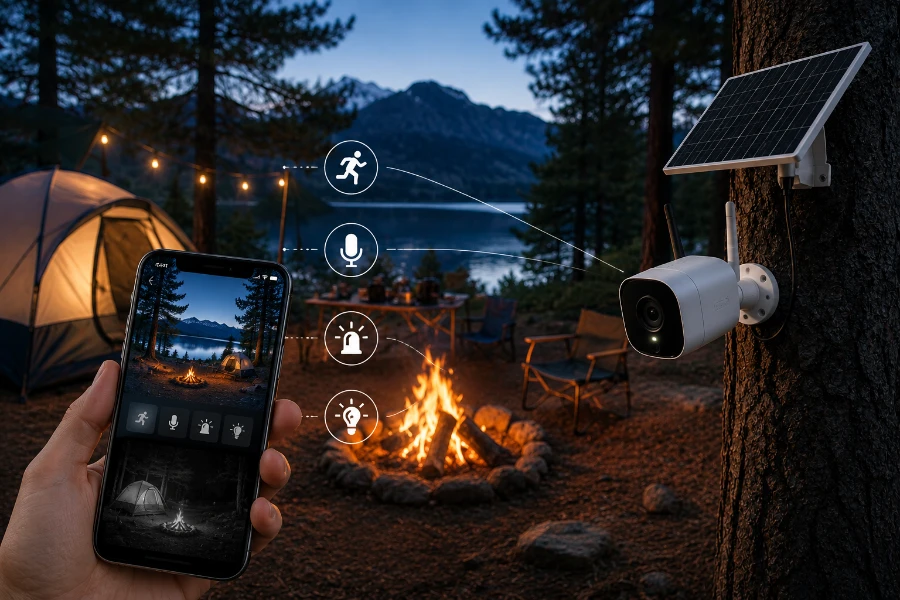
Some smart features genuinely improve campsite security.
Others are mostly marketing gimmicks.
The useful ones include:
Two-Way Audio
Two-way communication allows campers to speak through the camera remotely.
This helps deter suspicious activity quickly.
It can also scare away wildlife around campsites.
Mobile Alerts
Instant motion notifications keep campers informed while away from camp.
Fast alerts matter more than many people realize.
AI Human Detection
Basic motion sensors trigger constantly outdoors.
AI detection reduces false alerts by distinguishing between:
- Humans
- Animals
- Vehicles
- Tree movement
That creates a much cleaner experience.
Spotlight and Siren Features
Integrated spotlights improve nighttime visibility significantly.
Built-in sirens add another layer of deterrence when necessary.
Privacy and Safety Considerations
Security cameras should never create problems for neighboring campers.
Always position cameras responsibly.
Avoid recording:
- Adjacent campsites
- Shared restroom areas
- Public gathering spaces
Respect matters outdoors.
Some campgrounds also restrict surveillance equipment, especially in crowded public camping areas. Review campground policies beforehand to avoid issues.
Password protection matters too.
Unsecured cameras create cybersecurity risks that many users completely overlook.
Always:
- Use strong passwords
- Enable two-factor authentication
- Update firmware regularly
Simple precautions improve security dramatically.
Maintenance Tips for Long-Term Reliability
Outdoor electronics require maintenance.
Fortunately, portable solar camera camping systems remain fairly simple to maintain.
Before each trip:
- Charge batteries fully
- Test motion alerts
- Confirm storage availability
- Clean camera lenses
- Inspect mounts for damage
After trips:
- Dry equipment completely
- Remove dust buildup
- Store batteries properly
- Protect solar panels from scratches
Those small habits greatly extend equipment lifespan.
Who Benefits Most From Portable Solar Camera Camping?
Not every camper needs surveillance equipment.
But certain groups benefit substantially.
Families
Parents appreciate monitoring campsites while children sleep or play nearby.
Solo Campers
Solo travelers often value additional security in unfamiliar locations.
RV Travelers
Long-term RV campers usually carry expensive gear that stays unattended frequently.
Hunters and Anglers
Remote camps and valuable outdoor equipment increase security concerns considerably.
Full-Time Van Lifers
Van travelers often rely on mobile surveillance systems for everyday protection.
The Future of Portable Solar Camera Camping
The technology keeps improving rapidly.
New systems already feature:
- Better AI detection
- Faster charging efficiency
- Smaller hardware
- Improved low-light performance
- Stronger battery technology
Satellite connectivity may eventually become the next major breakthrough for truly remote monitoring.
That would dramatically expand off-grid camera capabilities worldwide.
Smaller solar panels are improving too. Lightweight folding designs continue making portable solar camera camping setups easier to carry during hiking and backpacking trips.
The market is clearly moving toward more compact, smarter, and more efficient systems.
Final Thoughts
Camping should feel relaxing. Secure. Flexible.
A portable solar camera camping setup helps create that confidence without adding complicated infrastructure or heavy power demands.
That matters more than people sometimes realize.
Modern campers carry expensive equipment into increasingly remote locations. Solar-powered surveillance provides a practical way to monitor campsites, protect gear, observe wildlife, and improve peace of mind while staying fully off-grid.
The key is choosing equipment that matches your actual camping style.
Some campers need lightweight backpack-friendly systems. Others require rugged LTE cameras capable of surviving harsh overlanding environments for weeks at a time.
Either way, portable solar camera camping systems continue proving why they have become one of the most useful upgrades for modern outdoor travel.
Reliable power. Flexible placement. Continuous monitoring.
That combination is hard to ignore once you experience it firsthand.
FAQs
A portable solar camera camping system is a wireless security camera powered by rechargeable batteries and solar panels for off-grid monitoring.
Yes, most quality models store battery power for several days, although charging efficiency may decrease during extended cloudy conditions.
Yes, many camping solar cameras use 4G LTE cellular networks instead of WiFi for remote viewing and alerts.
Battery life varies by usage, but many portable solar camera camping systems can operate for several days even without direct sunlight.
Most outdoor solar cameras include weather-resistant ratings like IP65 or IP66 to handle rain, dust, and outdoor exposure.
The best locations include tent entrances, RV doors, equipment storage areas, and elevated positions with strong sunlight exposure.
Yes, animals often activate motion sensors, although AI detection features can reduce unnecessary alerts.
Yes, most models include infrared or color night vision for recording after dark.
No, most systems are designed for quick setup using straps, clamps, magnetic mounts, or lightweight tripods.
For campers carrying valuable gear or staying in remote locations, portable solar cameras provide added security, monitoring, and peace of mind.