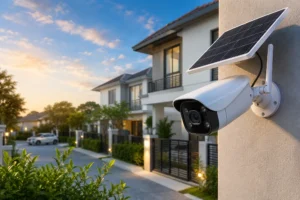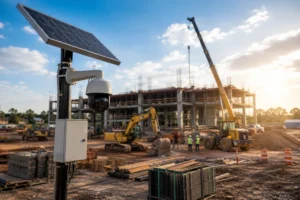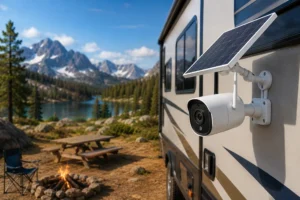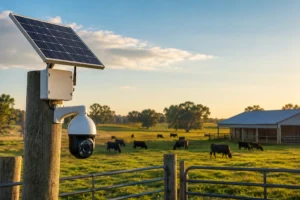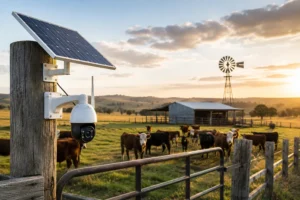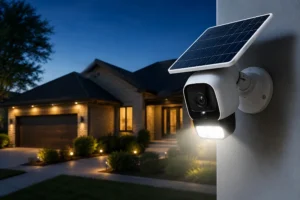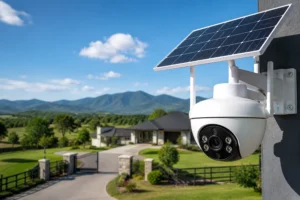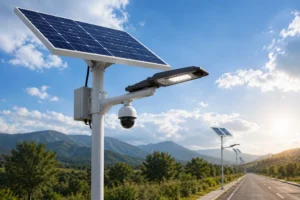
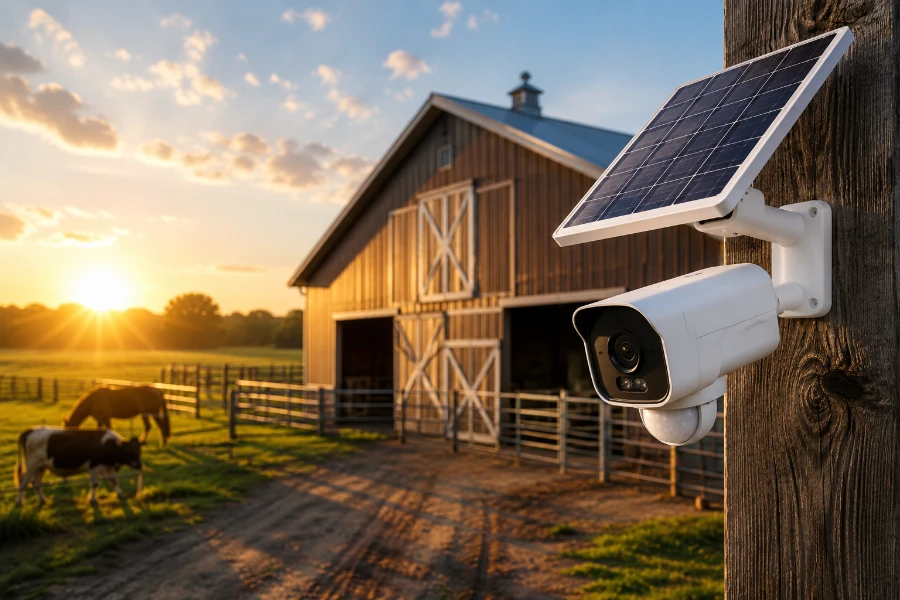
A reliable solar camera for barn setup can completely change how farmers, ranch owners, and rural property managers protect their land. Barns are often isolated. They sit far from the main house. Some don’t even have stable electricity nearby. That creates a huge security gap.
And thieves know it.
Expensive tools disappear. Fuel tanks get siphoned overnight. Livestock becomes vulnerable to predators and trespassers. Even weather events can create emergencies when nobody is around to monitor conditions.
Traditional wired security systems sound good on paper. In reality? They’re expensive, difficult to install, and often impractical for large agricultural properties.
That’s why solar-powered security cameras are becoming one of the smartest upgrades for modern barns.
They’re flexible. Wireless. Easier to install. And surprisingly powerful.
Whether you own a horse barn, cattle operation, feed storage facility, or hobby farm, this guide breaks down exactly how to choose the right solar camera system for long-term barn security.
Why Barn Security Matters More Than Ever
Barns are no longer just storage spaces.
Many contain:
- Expensive tractors
- Utility vehicles
- Power tools
- Feed inventory
- Veterinary supplies
- Fuel storage
- Livestock
- Specialized equipment
One break-in can create thousands of dollars in losses.
Rural properties also face another challenge: slower response times. Police patrols are less frequent in remote areas. That means criminals often target farms because they assume nobody is watching.
Sometimes they’re right.
A properly placed solar camera for barn location changes that immediately. Visible cameras alone can discourage theft before it even starts.
But security isn’t the only reason people install them.
Farm owners also use cameras to:
- Watch livestock during storms
- Monitor animal births
- Check feeding activity
- Track worker activity
- Inspect gates remotely
- Monitor equipment usage
Honestly, once most barn owners install cameras, they wonder why they waited so long.
What Is a Solar Camera for Barn?
A solar barn camera is a wireless security camera powered by sunlight instead of direct electrical wiring.
The setup usually includes:
- A security camera
- A solar charging panel
- Rechargeable battery storage
- Wireless connectivity
- Mobile app access
During daylight hours, the solar panel charges the battery. That stored power keeps the camera running day and night.
Simple concept. Huge advantage.
This makes a solar camera for barn installation ideal for remote agricultural areas where trenching electrical lines would cost a fortune.
How Solar Barn Cameras Work
The process is surprisingly straightforward.
The solar panel absorbs sunlight and continuously charges the internal battery. Most modern cameras also enter low-power standby mode until motion is detected, helping conserve battery life.
When motion occurs, the camera:
- Activates recording
- Sends alerts
- Uploads footage
- Triggers spotlights if enabled
Many systems also allow live viewing directly from your phone.
That means you can check your barn while sitting in town, working another field, or even traveling out of state.
Why Solar Cameras Are Ideal for Barns
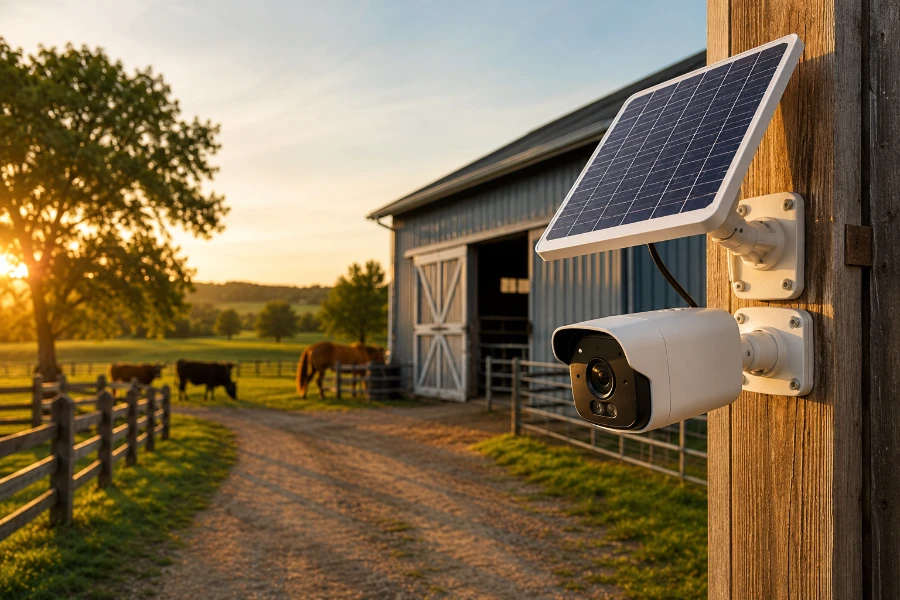
Barn environments create unique installation problems. Solar cameras solve many of them immediately.
No Complicated Wiring
Running electrical wiring across large farm properties gets expensive fast.
You may need:
- Underground trenching
- Conduit installation
- Electrical permits
- Professional labor
- Additional weatherproofing
A wireless solar camera for barn installation avoids most of that completely.
Mount the camera. Position the solar panel. Connect through the app. Done.
Excellent for Remote Locations
Many barns sit far away from power sources.
Some are:
- Deep in pasture areas
- Near fence lines
- Beside remote grazing fields
- Located miles from the main residence
Solar cameras thrive in exactly these environments.
Lower Operating Costs
Electric-powered surveillance systems increase utility usage over time.
Solar-powered systems reduce those ongoing costs.
That matters for farms already dealing with rising fuel, feed, labor, and equipment expenses.
Flexible Placement
Barn layouts vary wildly.
Some properties need monitoring at entrances. Others need coverage around livestock stalls or machinery storage areas.
Solar cameras can be installed almost anywhere sunlight reaches.
Key Features to Look for in a Solar Camera for Barn
Not all cameras are built for agricultural environments.
Barns are dusty. Wet. Windy. Sometimes brutally hot.
Choosing the wrong camera leads to frustration fast.
Night Vision Quality
Most farm activity concerns happen after dark.
You need strong night visibility.
Look for:
| Feature | Why It Matters |
| Infrared Night Vision | Better for discreet monitoring |
| Spotlight Night Vision | Full-color nighttime footage |
| Long Viewing Range | Better for larger barns |
| Wide-Angle Lens | Covers more area |
If predators are a concern, high-quality night vision becomes critical.
Motion Detection Accuracy
Cheap cameras trigger alerts constantly.
Moving trees. Rain. Insects. Livestock.
That gets annoying quickly.
Advanced cameras use smart AI detection to distinguish between:
- Humans
- Vehicles
- Animals
- General movement
That alone dramatically improves usability.
Weather Resistance
A barn camera faces harsh conditions year-round.
Choose a camera with strong outdoor durability ratings.
Look for:
- IP65 or IP66 waterproof ratings
- Heat resistance
- Dust protection
- Wind durability
Farm environments expose cameras to moisture, dust, heat, and severe seasonal changes. Many high-end outdoor cameras use durable sealing systems designed to withstand prolonged environmental exposure, similar to how corrosion protection is used in industrial equipment operating outdoors for long periods.
Farm environments are rough on electronics.
Buy accordingly.
Battery Capacity
Cloudy days happen.
Several in a row sometimes.
A good solar camera for barn system should include enough battery storage to survive low-sunlight periods without shutting down.
Larger battery capacity means better reliability.
Video Resolution
Video quality matters more than many people realize.
Blurry footage helps nobody.
Here’s a quick comparison:
| Resolution | Best Use |
| 1080p | Basic monitoring |
| 2K | Better facial and vehicle detail |
| 4K | Large property coverage |
For most barns, 2K strikes the best balance between quality and storage usage.
Storage Options
Most solar cameras use one of three storage methods:
- SD cards
- Cloud subscriptions
- Local NVR systems
Cloud storage offers convenience, but local storage avoids monthly fees.
Some systems combine both.
Best Places to Install a Solar Camera for Barn
Placement matters more than people think.
A great camera installed poorly becomes nearly useless.
Barn Entrances
Always monitor primary access points first.
You want clear footage of:
- Vehicles
- Faces
- License plates
- Delivery activity
Livestock Areas
This helps monitor:
- Animal health
- Feeding behavior
- Injuries
- Predator threats
- Birthing activity
Many horse owners especially rely on cameras during foaling season.
Equipment Storage Areas
Tractors and tools are major theft targets.
Position cameras where they clearly capture:
- Entry points
- Parking zones
- Fuel tanks
- Tool storage sheds
Fence Lines and Gates
Remote gates often become weak points.
A solar camera works extremely well here because electrical access is usually limited.
WiFi vs Cellular Solar Barn Cameras
This is one of the biggest decisions buyers face.
WiFi Solar Cameras
These connect to your existing internet network.
Advantages
- Lower monthly costs
- Easier app integration
- Faster video uploads
Disadvantages
- Limited range
- Weak rural coverage
- Signal drop issues
WiFi works best when the barn sits relatively close to the home or office.
Cellular Solar Cameras
These use SIM cards instead of WiFi.
They connect through mobile data networks.
Advantages
- Works almost anywhere
- Ideal for isolated farms
- Better for remote monitoring
Disadvantages
- Monthly data plans
- Slightly higher operating cost
For truly remote properties, cellular systems are often the better choice.
Honestly, many rural barn owners underestimate how unreliable farm WiFi can become across long distances.
Common Installation Mistakes Barn Owners Make
Even great cameras can fail when installed incorrectly.
Poor Solar Panel Positioning
No sunlight means no charging.
Avoid placing panels:
- Under roof overhangs
- Beneath tree cover
- On shaded walls
South-facing placement usually works best in most regions.
Mounting Cameras Too Low
Low-mounted cameras are easier to tamper with.
They also collect more dust and debris.
Higher placement improves visibility and protection.
Ignoring Connectivity Dead Zones
Always test WiFi or cellular strength before permanent installation.
Some barns have thick metal walls that interfere with signals.
Choosing Indoor Cameras
This mistake happens constantly.
Indoor cameras cannot handle:
- Rain
- Dust
- Heat
- Temperature swings
Outdoor-rated equipment is essential.
How Solar Cameras Help With Livestock Monitoring
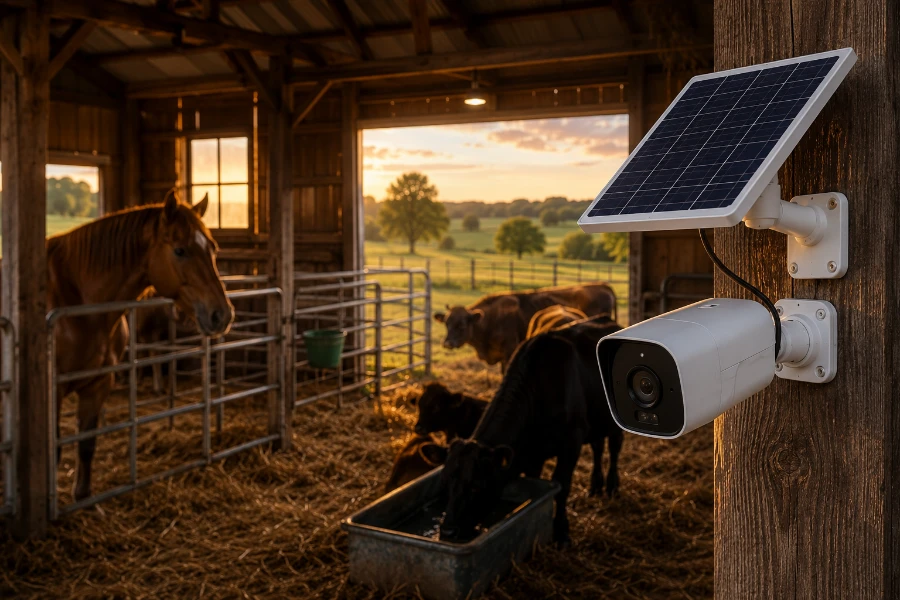
This may actually be the most underrated benefit.
A solar camera for barn setup can reduce stress dramatically for livestock owners.
Especially overnight.
Monitoring Pregnant Animals
Farmers frequently use cameras to watch:
- Horses
- Goats
- Sheep
- Cattle
Late-night checks become easier when you can monitor stalls remotely from your phone.
Predator Detection
Coyotes. Stray dogs. Wild animals.
Predator activity often increases at night.
Motion-triggered alerts provide faster awareness before livestock injuries occur.
Feeding and Water Monitoring
Cameras also help verify:
- Feeding schedules
- Water access
- Animal movement patterns
- Worker performance
That’s especially useful for larger operations.
Can Solar Barn Cameras Work During Cloudy Weather?
Yes. But quality matters.
Modern solar cameras store excess power in rechargeable batteries.
That means they continue operating even during cloudy days.
Still, performance varies depending on:
- Battery size
- Solar panel quality
- Motion recording frequency
- Weather conditions
Solar charging efficiency can also fluctuate depending on environmental conditions, panel angle, and seasonal sunlight availability. Factors like photovoltaics technology improvements have significantly increased the reliability of modern solar-powered security systems used in remote agricultural settings.
Heavy nonstop recording drains batteries faster.
Tips to Improve Solar Reliability
Here are practical ways to improve performance:
- Position panels for maximum sunlight
- Clean panels regularly
- Avoid excessive shade
- Use motion-triggered recording instead of 24/7 recording
- Choose larger battery capacities
A high-quality solar camera for barn system can often run several days without direct sunlight.
Solar Camera Maintenance Tips for Barn Owners
Maintenance is minimal. But it still matters.
Barn environments create dust buildup quickly.
Clean the Solar Panels
Dirty panels reduce charging efficiency.
Wipe them down regularly with:
- Soft cloths
- Water
- Non-abrasive cleaners
Check Camera Angles
Strong wind or accidental bumps can shift positioning.
Review footage monthly to ensure proper coverage.
Update Firmware
Many people ignore this.
Bad idea.
Firmware updates improve:
- Security
- Motion detection
- Connectivity
- Battery optimization
Inspect Mounting Hardware
Farm vibration and weather slowly loosen mounting brackets over time.
Tighten hardware periodically.
Are Solar Barn Cameras Worth the Investment?
For most farm owners? Absolutely.
One theft incident alone can easily exceed the entire cost of a camera system.
Here’s what solar cameras help reduce:
| Risk | Potential Savings |
| Equipment Theft | Thousands of dollars |
| Livestock Loss | Significant financial impact |
| Vandalism | Repair cost reduction |
| Property Damage | Faster response times |
| Labor Monitoring Issues | Better accountability |
But the real value goes beyond money.
Peace of mind matters.
Being able to check your property anytime changes how you manage rural operations. You stop guessing. You start seeing what’s actually happening.
That’s powerful.
Final Thoughts
A modern solar camera for barn system offers far more than simple surveillance.
It improves farm management. Strengthens security. Protects livestock. Reduces stress. And gives property owners visibility into areas that were previously difficult to monitor.
Traditional wired systems still work in some situations. But for barns, remote structures, and rural properties, solar-powered cameras often make far more sense.
They’re flexible. Scalable. Easier to install. And increasingly reliable.
The key is choosing the right setup for your property size, connectivity situation, and monitoring goals.
Because once your barn has proper visibility, everything changes.
FAQs
A solar camera uses a solar panel to charge a built-in rechargeable battery, allowing the camera to operate without direct electrical wiring.
Yes. Many solar barn cameras use cellular networks with SIM cards, making them ideal for remote farms without internet access.
Yes. Most modern solar cameras include infrared or spotlight night vision that allows clear recording even in complete darkness.
Battery life depends on usage, weather, and recording frequency, but many systems can operate for several days without direct sunlight.
The best locations include barn entrances, livestock areas, feed storage zones, equipment sheds, and perimeter gates.
Most outdoor solar cameras are designed with weather-resistant ratings like IP65 or IP66 to handle rain, dust, and harsh outdoor conditions.
Yes. Many advanced cameras use AI motion detection that can identify animals separately from humans or vehicles.
Cellular cameras are often better for large or remote farms because they do not rely on weak rural WiFi signals.
Most systems only need a few hours of direct sunlight daily to maintain battery charge under normal operating conditions.
Yes. A solar camera for barn security can help reduce theft, improve livestock monitoring, and provide peace of mind without expensive wiring installation.