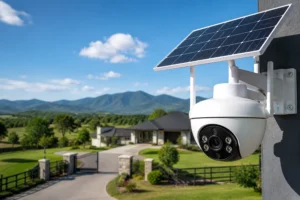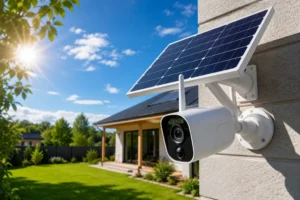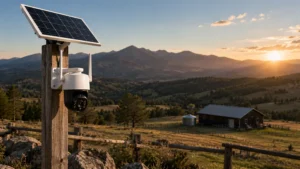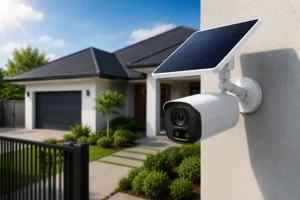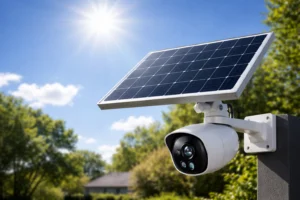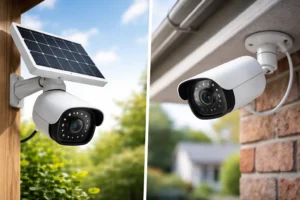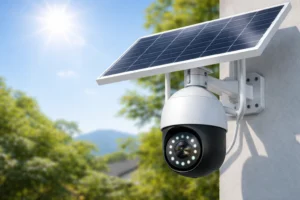
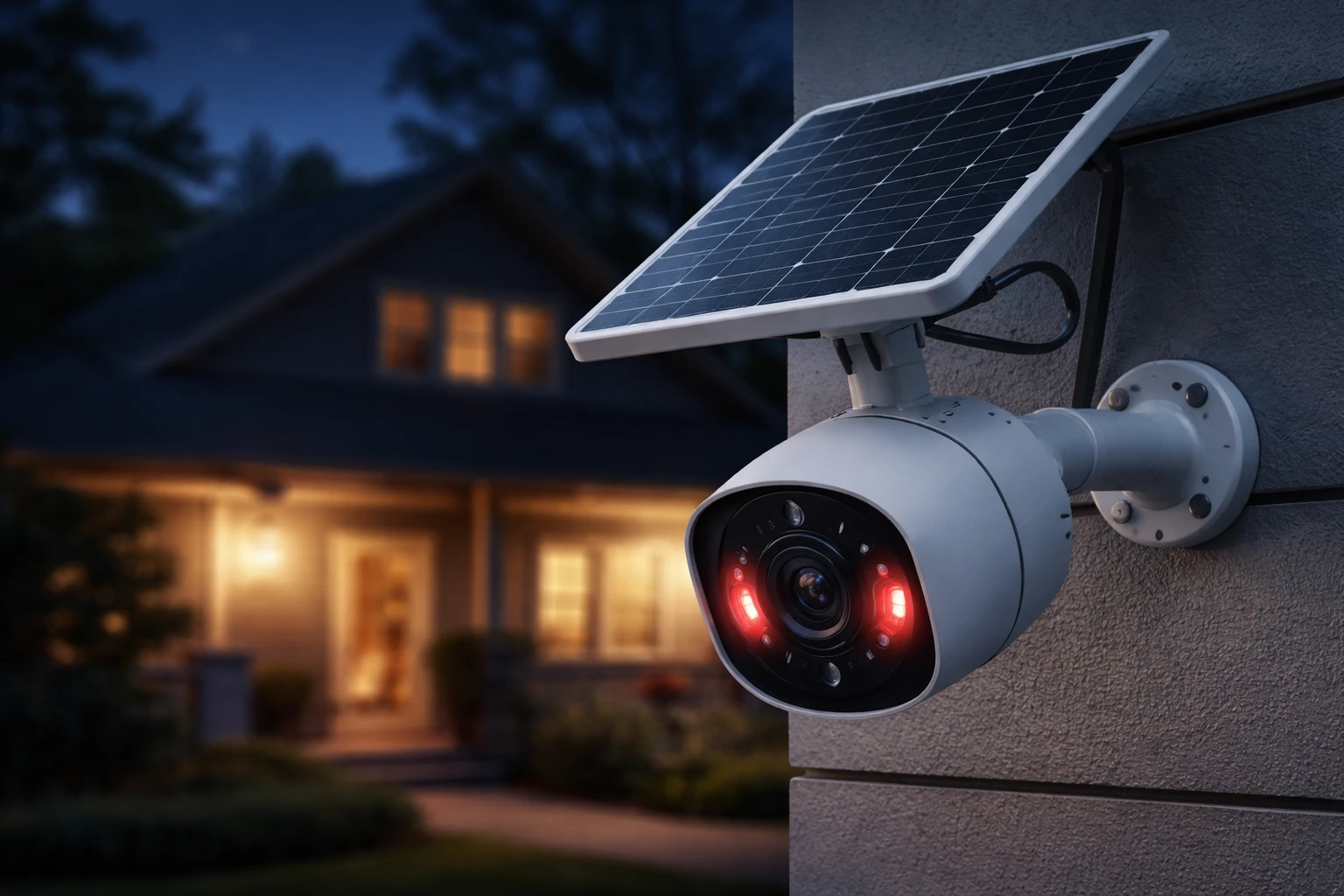
Let’s get straight to it—do solar security cameras work at night? Yes, they do. But there’s a catch. Actually, a few. And if you don’t understand those details upfront, you might end up with a camera that goes dark exactly when you need it most.
I’ve seen it happen. A homeowner installs a sleek solar camera, feels secure for a few days, then notices gaps overnight. Not ideal. The truth is, solar security cameras can be incredibly effective after sunset—but only if you set them up right and understand how they behave when the sun disappears.
This guide breaks it all down. No fluff. Just clear, actionable insight so you can decide whether solar is the right move for your security setup.
How Solar Security Cameras Actually Work
At a glance, solar security cameras seem simple. A panel, a camera, and you’re done. But there’s more going on behind the scenes.
Core Components You Should Know
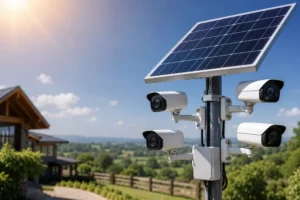
Every solar-powered camera system relies on three essential parts:
- Solar Panel – Captures sunlight and converts it into electricity
- Rechargeable Battery – Stores that energy for later use
- Camera System – Includes the lens, motion sensor, processor, and connectivity
The magic happens during the day. The solar panel collects energy and charges the battery. That stored energy powers the camera when the sun goes down.
Simple concept. But performance depends on how much energy gets stored—and how fast it gets used.
Energy Storage: The Real Game-Changer
If you remember one thing, make it this: nighttime performance depends entirely on daytime charging.
A fully charged battery can easily power a camera through the night. A partially charged one? That’s where problems start.
Here’s what affects how much energy gets stored:
- Hours of direct sunlight
- Panel positioning
- Weather conditions
- Panel efficiency
Even a great camera won’t perform well at night if the battery isn’t topped up during the day.
Power Consumption Isn’t Equal
Not all cameras use energy the same way. Some sip power. Others burn through it.
Factors that increase power usage include:
- Continuous recording instead of motion-only
- High-resolution video settings
- Frequent motion alerts
- Weak Wi-Fi signals (which force the camera to work harder)
If your camera is constantly active, your battery drains faster—especially overnight.
Do Solar Security Cameras Work at Night? The Real Answer
Let’s answer it clearly again: do solar security cameras work at night? Yes. They rely on stored battery power to keep running after dark.
But—and this matters—they only work as well as the energy they stored during the day.
Think of it like a phone. If you charge it fully, it lasts all day. If you barely charge it, you’re scrambling by afternoon. Same idea here.
In ideal conditions, a good solar camera can:
- Stay powered all night
- Detect motion accurately
- Record clear footage
- Send alerts in real time
In poor conditions, you might see:
- Missed motion events
- Short recording clips
- Camera shutdown before morning
So yes, they work. But consistency depends on setup and environment.
Night Vision: What You Actually See in the Dark
Working at night isn’t just about staying powered. It’s also about visibility.
Infrared Night Vision
Most solar cameras use infrared (IR) LEDs to “see” in the dark.
Here’s how it works:
- The camera emits invisible IR light
- That light reflects off objects
- The sensor captures the image
The result? Clear black-and-white footage, even in total darkness.
Pros:
- Works in complete darkness
- Low power consumption
- Reliable for most situations
Limitations:
- No color
- Slightly reduced detail at longer distances
Color Night Vision
Some cameras go a step further. They use built-in spotlights to produce color images at night.
This can be useful if you want:
- Better identification of people
- Clearer details like clothing or vehicles
But there’s a trade-off. Spotlights use more power. That matters when you’re relying on a battery.
Low-Light Sensors
Higher-end models use advanced sensors that amplify available light.
They don’t need full darkness or bright lights. Just a bit of ambient light—like streetlights or moonlight—and they deliver surprisingly detailed images.
What Affects Nighttime Performance?
This is where most people get tripped up. They assume all solar cameras perform the same at night. They don’t.
Battery Size and Health
Bigger batteries last longer. It’s that simple.
A camera with a 10,000mAh battery will outperform one with 5,000mAh—especially overnight.
Battery health matters too. Over time, capacity drops. That means shorter runtime.
Sunlight Exposure
No sunlight, no charge. Limited sunlight, limited performance.
If your panel is:
- Shaded by trees
- Facing the wrong direction
- Installed under eaves
…you’re not getting full charging potential.
Camera Settings
Small tweaks can make a big difference.
For example:
- Lower motion sensitivity = fewer unnecessary recordings
- Shorter clip length = less battery drain
- Scheduled recording = smarter energy use
Environmental Conditions
Cold weather reduces battery efficiency. Cloudy days reduce charging.
Seasonal changes matter more than most people realize. Winter can be especially tough for solar setups.
How Long Can Solar Cameras Run at Night?
Let’s talk real numbers.
In typical conditions:
- Standby mode: 8–12+ hours easily
- Moderate activity: 6–10 hours
- High activity zones: 4–8 hours
Here’s a quick breakdown:
| Usage Level | Expected Night Runtime |
| Low traffic (few alerts) | 10–12 hours |
| Moderate activity | 6–10 hours |
| High activity (constant motion) | 4–6 hours |
If your camera is placed in a busy area—like a street-facing yard—it will use more power than one in a quiet backyard.
Common Problems You Might Run Into
Even the best systems have limitations.
Incomplete Charging
If your panel isn’t getting enough sunlight, your battery never reaches full capacity. That leads to early shutdowns at night.
Battery Drain
Too many motion triggers can drain the battery quickly. Especially if the camera records every single event.
Connectivity Issues
Weak Wi-Fi doesn’t just affect streaming. It increases power usage because the camera struggles to maintain a connection.
That’s an overlooked detail. But it matters.
How to Improve Nighttime Performance (This Is Where You Win)
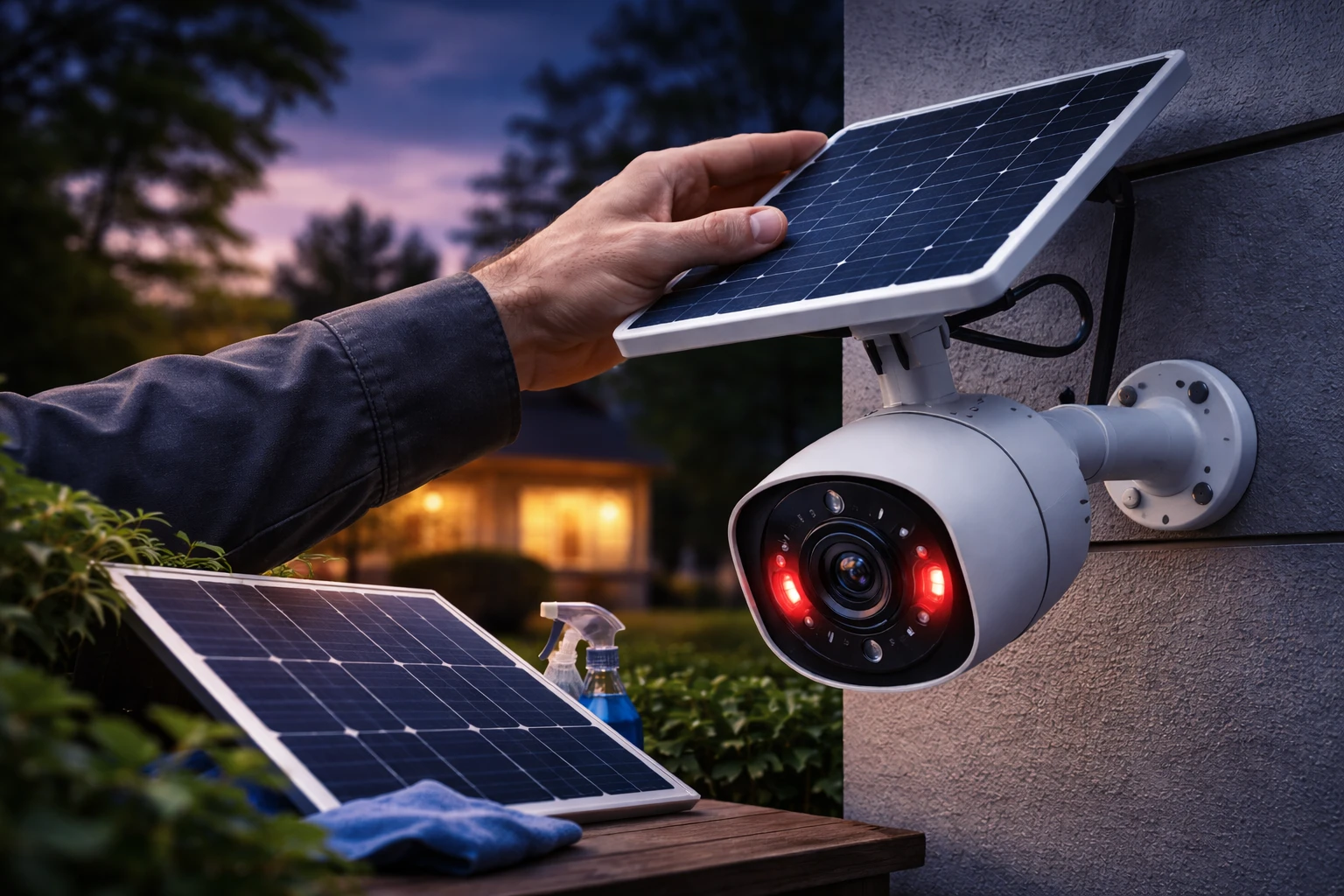
This is the part most people skip. Don’t.
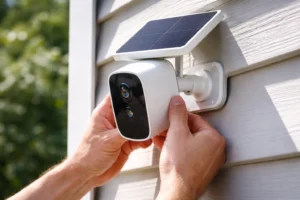
Optimize Solar Panel Placement
Position your panel where it gets maximum sunlight:
- South-facing (in most regions)
- No shade during peak hours
- Angled for optimal exposure
Even a slight adjustment can boost charging efficiency significantly.
Fine-Tune Your Settings
Go into your app and make smart adjustments:
- Lower motion sensitivity
- Limit recording length (10–20 seconds is often enough)
- Use activity zones to reduce false alerts
Less unnecessary activity = more battery for when it matters.
Choose the Right Camera
Not all solar cameras are equal.
Look for:
- High-capacity batteries
- Efficient power management
- Good low-light performance
Cheap models often cut corners here. And you’ll feel it at night.
Keep It Clean
Dust and debris block sunlight. Wipe your panel regularly. It takes seconds but makes a difference.
Are Solar Cameras Reliable for 24/7 Security?
Short answer? Yes—with the right setup.
Long answer? It depends on your environment.
Solar cameras work best when:
- They get consistent sunlight
- Activity levels are manageable
- Settings are optimized
They struggle when:
- Installed in shaded areas
- Used in high-traffic zones
- Left on default settings
If you’re expecting nonstop, heavy-duty surveillance, you may need a hybrid setup.
Solar vs Wired Cameras at Night
Let’s compare them side by side.
| Feature | Solar Cameras | Wired Cameras |
| Power Source | Battery (solar charged) | Constant electricity |
| Night Reliability | Depends on charge | Consistent |
| Installation | Easy, flexible | More complex |
| Maintenance | Moderate | Low |
| Best Use Case | Remote or flexible setups | Permanent installations |
Wired cameras win on consistency. Solar cameras win on flexibility.
Who Should Use Solar Security Cameras?
Solar isn’t for everyone. But when it fits, it fits perfectly.
You’ll benefit most if you:
- Have good sunlight exposure
- Want an easy, wire-free installation
- Need security in remote or off-grid areas
- Prefer a flexible setup
If that sounds like you, solar is a strong option.
Final Thoughts: Do Solar Security Cameras Work at Night?
Let’s wrap it up clearly.
Do solar security cameras work at night? Yes—they absolutely do. But performance depends on how well they charge during the day and how efficiently they use that energy after dark.
Get the setup right, and they’ll run smoothly through the night. Ignore the details, and you’ll run into gaps.
My advice? Treat solar cameras like a system, not a plug-and-play gadget. Pay attention to placement, settings, and usage patterns. Small adjustments lead to big improvements.
Do that, and your camera won’t just work at night—it’ll work when it matters most.
FAQs
Yes, they use stored battery power collected during the day to operate after dark.
Most can run 6–12 hours depending on battery capacity and activity levels.
They still work, but reduced sunlight can limit battery charging and nighttime performance.
They can record without Wi-Fi, but you’ll need a connection to view footage or receive alerts.
It’s usually due to insufficient daytime charging or excessive motion-triggered activity draining the battery.
Yes, most use infrared night vision to capture clear footage even in total darkness.
They can be, but continuous recording drains batteries faster than motion-based recording.
They can, but shorter days and weaker sunlight may reduce charging efficiency.
Yes, and this setup actually helps conserve battery for longer nighttime operation.
Optimize panel placement, reduce unnecessary alerts, and choose a camera with a high-capacity battery.