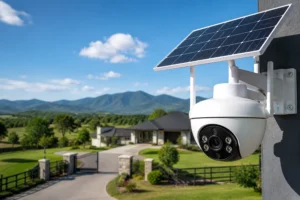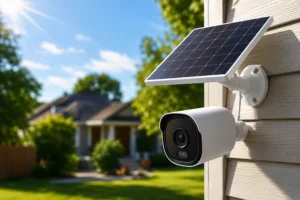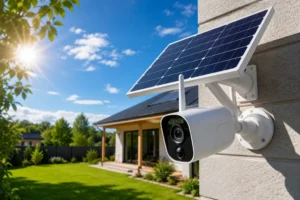
Security has changed fast. Lighting has changed too. Today, property owners want systems that do more than simply brighten a parking lot or roadside. They want visibility, monitoring, deterrence, and energy savings rolled into one package. That is exactly why interest in the solar street light with CCTV camera price continues to grow across residential, commercial, and industrial markets.
And honestly, the pricing surprises many buyers.
Some systems cost only a few hundred dollars. Others climb into the thousands. The difference usually comes down to performance, durability, camera technology, battery capacity, and long-term reliability. Cheap systems may look attractive initially, but they often create bigger expenses later through poor lighting, battery failures, or unreliable surveillance footage.
That matters.
A solar-powered security light is not just another outdoor fixture. It becomes part of your property protection strategy. If it fails during a storm, during a power outage, or during a security incident, the consequences can become expensive very quickly.
In this guide, I’ll break down the real factors affecting solar street light with CCTV camera price, explain what buyers should actually prioritize, and help you avoid overspending on features you may never use.
What Is a Solar Street Light With CCTV Camera?
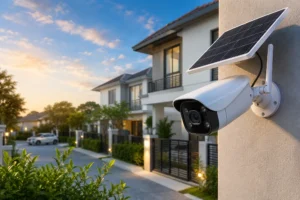
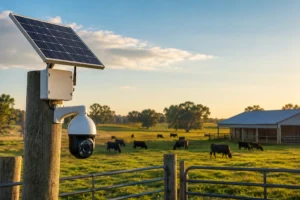
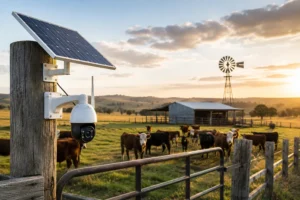
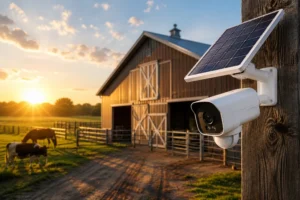
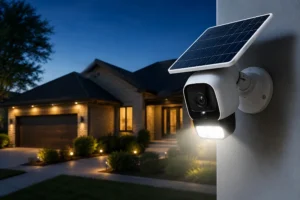
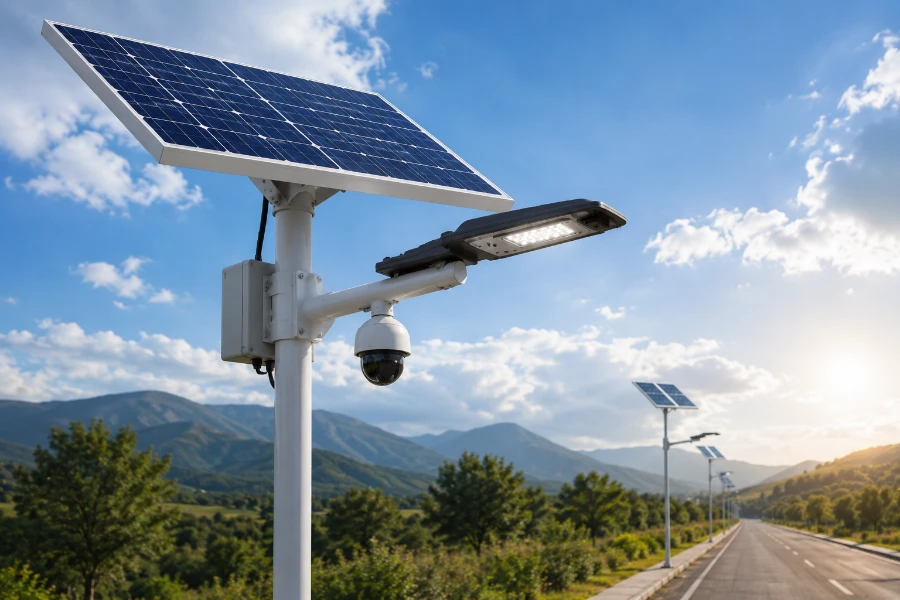
A solar street light with an integrated CCTV camera combines two essential outdoor functions into a single system:
- Outdoor illumination
- Security surveillance
The setup usually includes:
- Solar panel
- LED lighting fixture
- Rechargeable battery
- CCTV camera
- Pole or mounting hardware
- Motion detection sensors
- Wireless connectivity options
During the day, the solar panel charges the battery. At night, the battery powers both the lighting system and the surveillance camera.
Simple concept. Smart execution.
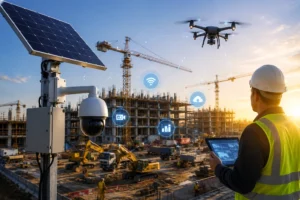
Many modern systems also allow remote viewing through smartphone apps, cloud storage, motion-triggered alerts, and AI-powered detection features.
That flexibility explains why these systems are appearing everywhere now.
Why Solar CCTV Street Lights Are Growing in Popularity
Traditional wired lighting systems create problems.
You need trenching. Electrical permits. Utility access. Expensive labor. Ongoing electricity costs. And in remote areas, installing grid-connected lighting can become painfully expensive.
Solar systems eliminate much of that.
Key Benefits
| Benefit | Why It Matters |
| No electrical trenching | Reduces installation costs |
| Lower utility bills | Solar power offsets electricity use |
| Remote deployment | Ideal for off-grid locations |
| Built-in surveillance | Adds security monitoring |
| Faster installation | Less infrastructure required |
| Backup during outages | Continues working during power failures |
That last point matters more than people realize.
Power outages often increase security risks. A solar-powered system with surveillance capability keeps operating independently when traditional systems go dark.
That alone can justify the investment.
Typical Solar Street Light With CCTV Camera Price Range
The biggest question buyers ask is obvious:
“How much should I expect to pay?”
The answer depends heavily on the intended use.
Average Price Ranges
| System Type | Typical Price Range |
| Basic residential unit | $150 – $400 |
| Mid-range commercial system | $500 – $1,500 |
| Advanced smart surveillance setup | $1,500 – $4,000 |
| Industrial or smart city systems | $5,000+ |
The lower-priced systems usually include:
- Small solar panels
- Basic LED lighting
- Limited battery storage
- Standard HD cameras
Higher-end systems often include:
- 4K surveillance
- AI motion analytics
- Larger lithium batteries
- Extended runtime
- Smart monitoring platforms
- Heavy-duty weather protection
This is where many buyers make mistakes.
They compare systems based only on price instead of total capability.
That approach rarely ends well.
What Impacts Solar Street Light With CCTV Camera Price the Most?
Several factors dramatically affect pricing.
Some are obvious. Others are not.
Camera Resolution
Higher resolution cameras cost more because they provide clearer footage.
Typical options include:
- 1080p HD
- 2K resolution
- 4K ultra HD
For small residential areas, 1080p may work fine. Large commercial lots often benefit from higher resolution for license plate recognition or facial clarity.
Battery Capacity
Battery size directly affects runtime.
Smaller batteries may provide only one night of backup. Premium systems can operate for several cloudy days without sunlight.
That reliability adds cost. But it also adds peace of mind.
Solar Panel Size
Larger solar panels recharge batteries faster and support brighter lighting plus longer camera operation.
A weak panel paired with a large battery creates inefficiency. A strong panel paired with poor battery storage creates wasted potential.
Good systems balance both.
Modern solar charging systems rely heavily on advancements in photovoltaics, allowing solar panels to generate more usable energy even in limited sunlight conditions.
Lighting Power
LED brightness significantly impacts price.
A residential driveway may need only 30W to 60W lighting output. Large parking areas may require 150W or more.
More brightness means:
- Larger solar panels
- Larger batteries
- More durable components
And yes, higher pricing.
Solar Panel Size and Performance Matter More Than Buyers Think
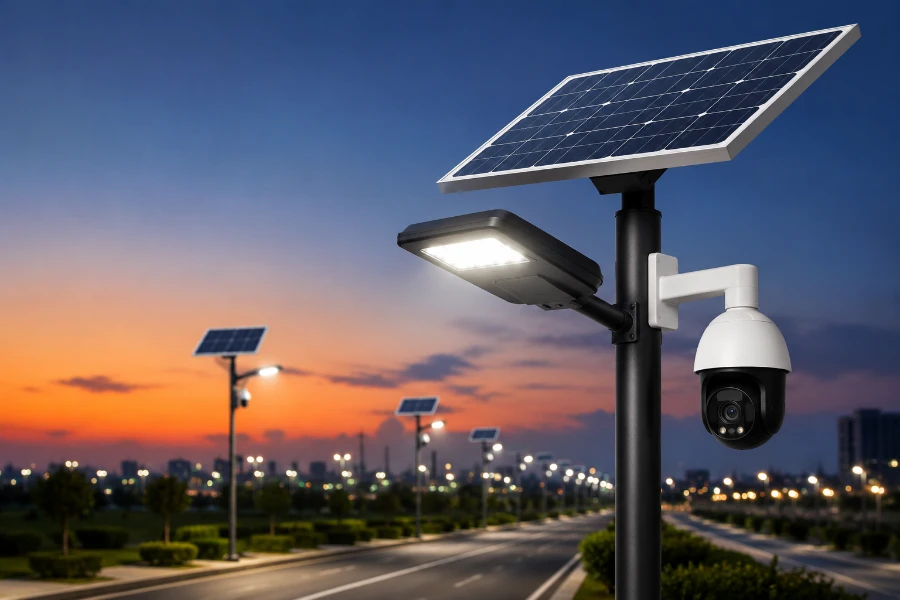
Many low-cost systems exaggerate solar charging capabilities.
That becomes obvious after a few cloudy days.
The best systems properly size the panel based on actual energy consumption.
Recommended Solar Sizes
| Installation Area | Recommended Solar Panel |
| Residential driveway | 50W – 100W |
| Parking lot | 150W – 250W |
| Warehouse perimeter | 250W – 400W |
| Public roadway | 400W+ |
If a system claims massive lighting output using a tiny solar panel, be skeptical.
Physics still matters.
For buyers researching long-term solar efficiency standards and energy innovation trends, the U.S. Department of Energy Solar Energy Technologies Office provides valuable technical information and solar energy resources.
CCTV Features That Increase Cost
This is where pricing spreads widen dramatically.
Some buyers only need basic recording. Others want advanced analytics and real-time monitoring.
Features That Raise Pricing
- Motion detection
- Human tracking
- Vehicle recognition
- License plate capture
- Two-way audio
- Remote mobile access
- Cloud storage
- AI detection systems
A simple camera setup may cost little.
An intelligent surveillance platform becomes much more expensive.
Still, for businesses managing theft risks, vandalism, or large outdoor areas, advanced features can quickly pay for themselves.
Night Vision Technology Changes Everything
Outdoor surveillance without strong nighttime visibility is almost useless.
Many cheaper systems advertise “night vision,” but the quality varies enormously.
Common Night Vision Options
| Technology | Performance Level |
| Basic infrared | Standard black-and-white night viewing |
| Enhanced IR | Improved distance visibility |
| Full-color night vision | Better detail recognition |
| Low-light sensors | Cleaner nighttime imaging |
If your property depends heavily on nighttime monitoring, investing in better night vision is smart.
Otherwise, your footage may become blurry exactly when you need it most.
Battery Technology and Long-Term Value
Battery quality dramatically affects system lifespan.
Cheap batteries fail early. Premium batteries cost more upfront but usually deliver lower long-term ownership costs.
Lithium vs Gel Batteries
| Feature | Lithium Battery | Gel Battery |
| Lifespan | Longer | Shorter |
| Charging speed | Faster | Slower |
| Maintenance | Minimal | Higher |
| Weight | Lighter | Heavier |
| Cost | Higher upfront | Lower upfront |
Most premium systems now use lithium technology because it performs better in fluctuating weather conditions.
And outdoor environments can become brutal.
Extreme heat, heavy rain, humidity, and cold temperatures all stress battery systems over time.
Installation Costs Surprise Many Buyers
The equipment price is only part of the total investment.
Installation costs matter too.
Professional Installation May Include
- Pole installation
- Concrete foundation work
- Camera positioning
- Mobile app configuration
- System testing
- Wi-Fi or network setup
Installation pricing often ranges between:
- $200 to $500 for smaller systems
- $1,000+ for larger commercial installations
The complexity of the site changes everything.
Rocky ground, difficult access, tall poles, or large coverage areas all increase labor requirements.
DIY vs Professional Installation
Some buyers attempt DIY installations to reduce costs.
Sometimes that works. Sometimes it becomes a disaster.
Comparison Table
| Installation Type | Advantages | Drawbacks |
| DIY Installation | Lower labor costs | Risk of poor placement |
| Professional Installation | Better system optimization | Higher upfront expense |
Improper solar panel angles, weak mounting, or poor camera positioning can significantly reduce performance.
And honestly, fixing bad installation later often costs more.
Solar Street Light With CCTV Camera Price by Industry
Different industries require different system strengths.
That changes pricing fast.
Residential Systems
Homeowners typically prioritize:
- Basic security
- Moderate lighting
- Smartphone access
- Motion alerts
Typical pricing stays relatively affordable.
Commercial Systems
Businesses usually require:
- Larger coverage zones
- Better night visibility
- Multiple camera angles
- Longer battery autonomy
Pricing rises accordingly.
Industrial Facilities
Industrial locations often need:
- Heavy-duty weather resistance
- Tall mounting poles
- High-capacity batteries
- AI-powered analytics
- Long-distance surveillance
These systems become significantly more expensive because reliability becomes mission-critical.
Hidden Costs Buyers Often Miss
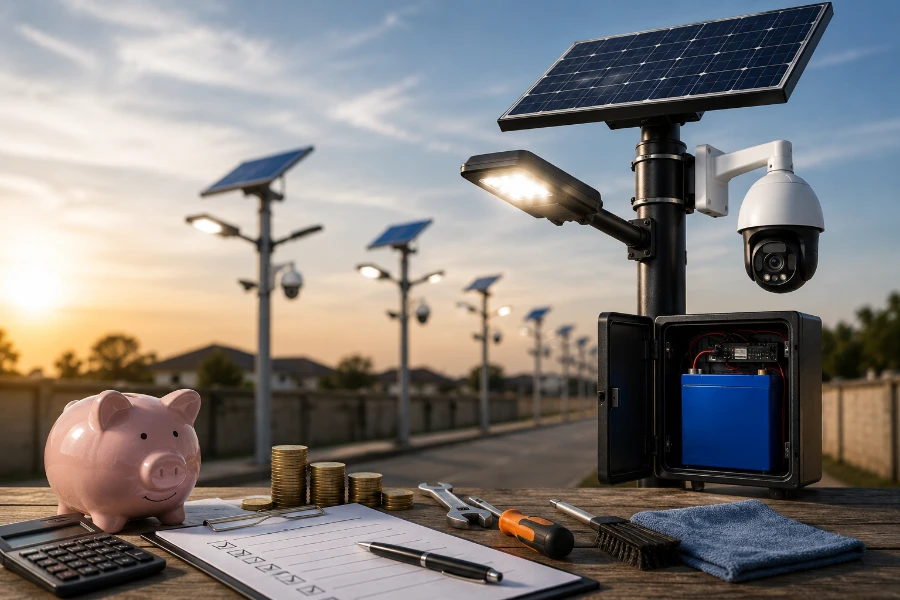
This part matters.
The sticker price rarely tells the full story.
Common Hidden Costs
- Battery replacement
- Cloud storage subscriptions
- SIM card data plans
- Pole maintenance
- Cleaning and inspections
- Software updates
Some buyers purchase cheap systems only to discover recurring expenses later.
That frustration is common.
Before buying, ask vendors:
- What maintenance is required?
- How long will batteries realistically last?
- Are software subscriptions mandatory?
- Is cloud storage included?
Good questions save money.
How to Avoid Buying a Low-Quality System
The market is flooded with cheap imports making exaggerated claims.
Some advertise impossible lighting output numbers. Others inflate battery capacity specifications.
Watch for warning signs.
Red Flags
- Extremely low pricing
- Unrealistic runtime claims
- No waterproof certification
- Poor warranty coverage
- Weak customer reviews
- Generic brand labeling
A quality system should clearly specify:
- Battery capacity
- Solar wattage
- Camera resolution
- Waterproof rating
- Operating temperature range
Transparency matters.
Cheap vs Premium Solar CCTV Street Lights
Here is where the differences become obvious.
| Feature | Budget Systems | Premium Systems |
| Camera quality | Basic HD | 2K or 4K |
| Battery runtime | Limited | Extended backup |
| Weather durability | Moderate | Heavy-duty |
| Lighting consistency | Variable | Stable output |
| AI smart features | Minimal | Advanced analytics |
| Warranty coverage | Limited | Longer protection |
Budget systems may work well for smaller low-risk areas.
But for commercial security? Premium systems often justify the investment quickly.
Best Locations for Solar CCTV Street Lights
Some environments benefit tremendously from solar security lighting.
Ideal Applications
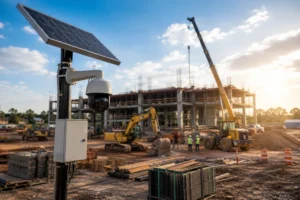
- Construction sites
- Remote properties
- Parking lots
- Farms and ranches
- Warehouse perimeters
- Highway monitoring
- Temporary event sites
Construction sites especially benefit because temporary electrical infrastructure is expensive and time-consuming.
Solar systems solve that problem fast.
Future Trends in Solar Surveillance Systems
The technology is evolving rapidly.
And prices continue changing as features improve.
Trends Buyers Should Watch
AI-Powered Monitoring
Modern systems increasingly distinguish between:
- Humans
- Vehicles
- Animals
- Environmental movement
That reduces false alarms dramatically.
Smart City Integration
Municipalities now integrate solar CCTV systems into broader public infrastructure networks.
Lighting, traffic monitoring, surveillance, and environmental sensors are becoming interconnected.
Better Energy Efficiency
LED lighting and solar charging technology continue improving.
That means brighter lighting with smaller panels and longer battery life.
Final Thoughts
The right solar street light with CCTV camera price depends entirely on your goals.
A homeowner protecting a driveway has different needs than a warehouse operator securing a large industrial property. That distinction matters enormously.
Cheap systems may save money initially, but poor battery performance, weak lighting, unreliable surveillance footage, and short lifespans often create frustration later. I’ve seen buyers replace bargain systems within a year because they simply could not handle real-world conditions.
A quality solar security lighting system should deliver:
- Reliable illumination
- Strong nighttime surveillance
- Consistent battery performance
- Durable weather resistance
- Long-term operational value
The smartest buyers focus less on finding the absolute cheapest option and more on finding the best balance between price, durability, and security capability.
That approach almost always wins long term.
FAQs
The average solar street light with CCTV camera price ranges from around $150 for basic residential units to over $5,000 for industrial-grade systems.
Yes, they combine outdoor lighting and security monitoring while reducing electricity and installation costs in many locations.
Most quality systems last between 5 to 10 years, depending on battery quality, weather exposure, and maintenance practices.
Yes, good systems store backup energy in batteries, allowing them to operate for several days even with limited sunlight.
1080p works well for most homes, while 2K or 4K cameras are better for larger commercial properties needing clearer footage.
Basic recording systems do not always require internet, but remote viewing and mobile alerts usually need Wi-Fi or cellular connectivity.
Most commercial systems are designed for outdoor use and include waterproof ratings like IP65 or IP66 for weather protection.
Some smaller systems are DIY-friendly, but professional installation is often recommended for better positioning, wiring, and long-term reliability.
Maintenance usually includes cleaning solar panels, checking battery health, updating software, and inspecting camera alignment periodically.
Battery capacity, solar panel size, camera quality, AI features, lighting brightness, and weather resistance all heavily influence pricing.