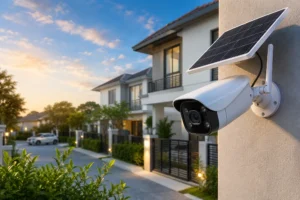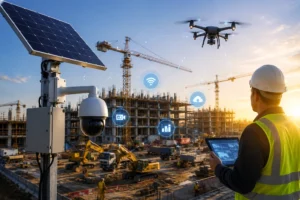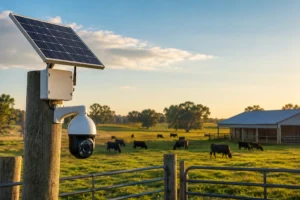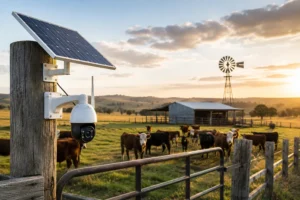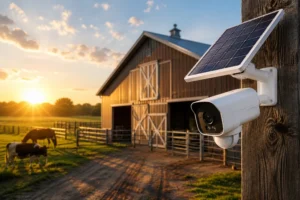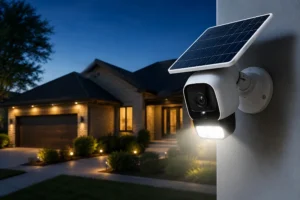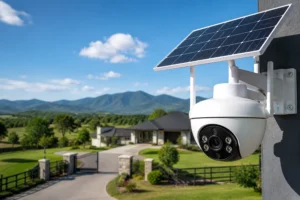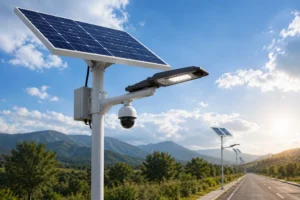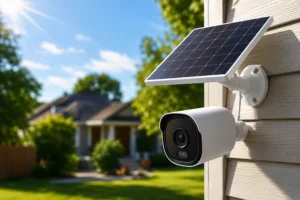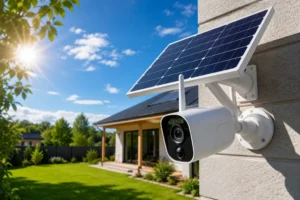
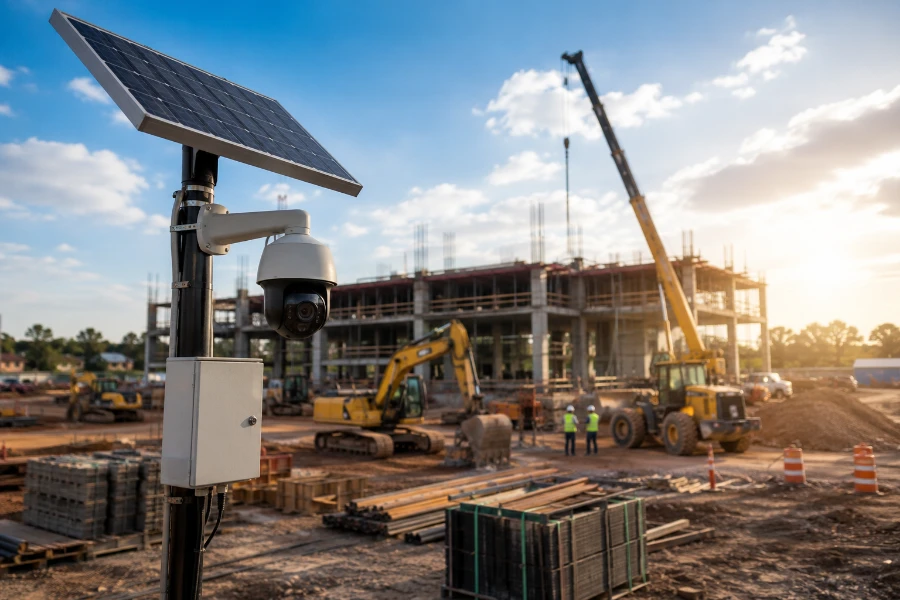
Construction theft is expensive. Painfully expensive. Tools disappear overnight. Copper wiring gets stripped before crews arrive in the morning. Equipment vanishes from open lots. A temporary solar camera job site setup helps stop that cycle before losses spiral out of control. More contractors are moving away from unreliable temporary lighting and basic fencing because solar-powered security systems now offer real-time monitoring, motion alerts, cloud recording, and remote access without needing hardwired electricity.
That changes everything.
Modern job sites move fast. Crews relocate. Projects expand. Temporary utilities come and go. Traditional wired surveillance often becomes a headache long before installation even finishes. A temporary solar camera job site system solves that problem by delivering flexible security that works almost anywhere. Remote road projects. New housing developments. Utility installations. Commercial construction sites. Even isolated staging yards.
And honestly, the biggest advantage is speed.
You can deploy these systems quickly without trenching power lines or hiring electricians just to power cameras.
What Is a Temporary Solar Camera Job Site System?
A temporary solar camera job site system is a portable surveillance setup powered primarily by solar energy instead of fixed electrical infrastructure. These systems typically include:
- Solar panels
- Rechargeable batteries
- Cellular-enabled CCTV cameras
- Mounting poles or brackets
- Motion detection software
- Cloud or local video storage
The concept is simple. Solar panels collect energy during daylight hours. Batteries store that power. Cameras continue running throughout the night while cellular connectivity allows remote viewing from a phone or laptop.
No hardwiring. No permanent infrastructure and no waiting weeks for utility access.
That flexibility makes solar systems ideal for temporary construction environments where site conditions constantly change.
Why Construction Sites Need Better Security
Construction sites attract theft because they contain valuable assets with limited overnight supervision. Heavy equipment, generators, fuel tanks, copper materials, and power tools all become easy targets when visibility drops after sunset.
Unfortunately, theft is only part of the problem.
Vandalism creates delays. Trespassing increases liability. Unauthorized dumping adds cleanup costs. Insurance claims become harder to prove without evidence.
I have seen projects lose thousands of dollars over a single weekend simply because no monitoring system existed on-site.
A temporary solar camera job site setup creates a visible deterrent while also documenting everything that happens around the property.
That combination matters.
Common Risks on Unsecured Job Sites
| Risk | Potential Impact |
| Equipment Theft | Replacement costs and delays |
| Trespassing | Liability exposure |
| Vandalism | Cleanup and repair expenses |
| Material Theft | Project overruns |
| False Claims | Insurance complications |
| Safety Violations | Compliance problems |
Video evidence often becomes the difference between resolving an issue quickly and fighting disputes for weeks.
How Temporary Solar Camera Systems Actually Work
The technology sounds complicated at first. It really is not.
Solar-powered cameras rely on a few core components working together efficiently.
Solar Panels Capture Energy
Panels absorb sunlight throughout the day and convert it into electricity. Larger panels generate more energy, which becomes important during cloudy weather or high camera usage periods.
Panel placement matters more than many people realize.
If panels remain shaded for most of the day, battery performance suffers quickly.
Batteries Store Power
The stored energy allows cameras to operate continuously after sunset. Most quality systems include lithium batteries designed for multiple days of backup operation.
That backup capacity becomes critical during storms or extended overcast conditions.
Cellular Connectivity Enables Remote Monitoring
Most temporary solar camera job site systems use 4G or 5G SIM cards instead of Wi-Fi. That allows contractors to access footage remotely even in undeveloped areas where internet service does not exist.
This is a major advantage for:
- Highway construction
- Remote infrastructure projects
- Agricultural developments
- Utility expansion sites
- Temporary staging yards
Temporary surveillance systems are increasingly used on remote infrastructure projects supported by the U.S. Department of Transportation, especially where permanent power infrastructure is unavailable.
Smart Detection Features Reduce False Alerts
Modern systems use AI-powered motion detection to identify people, vehicles, or suspicious movement while filtering out irrelevant activity like rain, shadows, or animals.
That means fewer unnecessary notifications.
And fewer headaches.
Many advanced systems now rely on machine-learning models to reduce false alerts and improve object recognition through technologies related to Computer Vision.
The Biggest Advantages of Solar Job Site Cameras
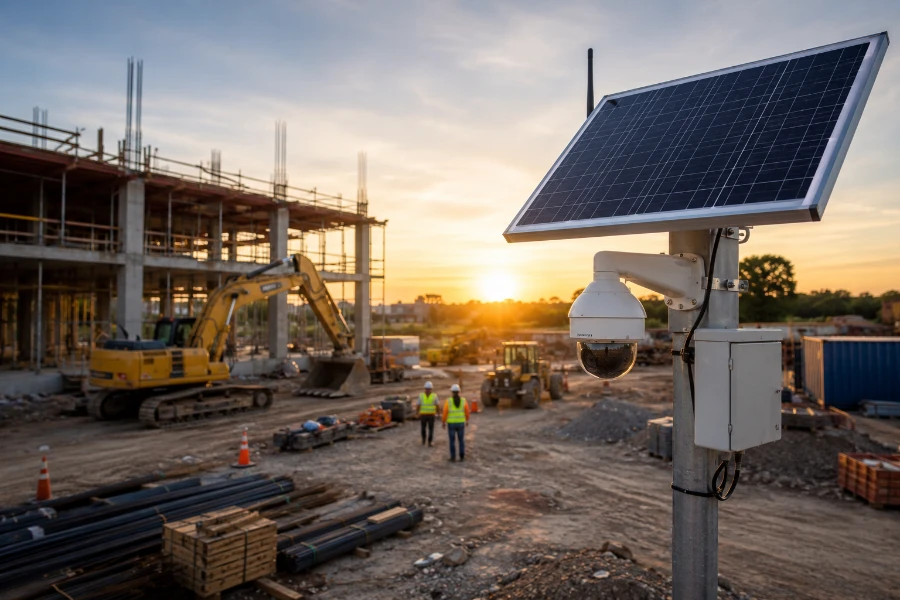
Traditional wired surveillance still works well for permanent facilities. But temporary projects require flexibility.
That is where solar systems dominate.
Fast Installation
Many portable systems can be operational within hours instead of days.
No trenching. No conduit installation and no waiting for electrical inspections.
Easy Relocation
Construction sites constantly evolve. Cameras that worked perfectly during foundation work may become useless once framing begins.
Portable systems can move with the project.
Lower Infrastructure Costs
Eliminating temporary electrical installation reduces labor and material expenses significantly.
Better Remote Coverage
Solar cameras allow monitoring in areas where wired systems simply are not practical.
Scalable Protection
Need more coverage?
Add another camera tower without redesigning the entire electrical setup.
Key Features to Look for in a Temporary Solar Camera Job Site System
Not all systems perform equally. Some prioritize affordability while others focus heavily on advanced monitoring capabilities.
The best setup depends on the project itself.
High Video Resolution
Image quality matters during investigations.
Here is a quick breakdown:
| Resolution | Best Use |
| 1080p | Basic monitoring |
| 2K | Improved facial detail |
| 4K | Large site coverage and evidence collection |
Higher resolution helps identify license plates, faces, and equipment markings more clearly.
Night Vision
Most incidents occur after dark.
Look for systems offering:
- Infrared night vision
- Color night vision
- Wide low-light visibility
Weather Resistance
Construction environments are brutal.
Dust. Rain. Heat. Wind. Mud.
Choose systems with strong weatherproof ratings like IP66 or IP67 for long-term reliability.
Long Battery Runtime
Battery backup should support at least several cloudy days without interruption.
Undersized batteries create major reliability problems.
Remote Mobile Access
Contractors increasingly manage projects from multiple locations simultaneously. Mobile access allows supervisors to:
- View live footage
- Receive alerts
- Playback recordings
- Share clips instantly
That level of visibility improves overall project control.
Best Places to Install Temporary Solar Cameras
Placement affects performance more than camera specs alone.
A poorly positioned camera can miss critical activity completely.
Site Entry and Exit Points
Every vehicle entering or leaving should be visible.
This creates accountability and improves incident tracking.
Equipment Storage Areas
High-value machinery and tools deserve dedicated coverage.
Material Staging Zones
Lumber, copper, HVAC units, and electrical supplies often become theft targets.
Elevated Positions
Mounting cameras higher improves visibility while reducing tampering risks.
Perimeter Fencing
Fence-line monitoring helps detect trespassing before intruders reach critical areas.
Smart Features That Actually Improve Security
Modern systems now include features that would have seemed excessive only a few years ago.
Today, they are becoming standard.
AI Motion Detection
AI filters irrelevant movement and focuses on meaningful activity.
That means:
- Fewer false alerts
- Faster incident identification
- Improved monitoring accuracy
License Plate Recognition
Some systems automatically capture and log vehicle plates entering the property.
That information becomes extremely useful during investigations.
Two-Way Audio
Remote communication allows operators to warn trespassers instantly through built-in speakers.
Sometimes that alone stops theft attempts immediately.
Remote Sirens and Flashing Lights
Active deterrence features create psychological pressure on intruders before theft occurs.
Visible security matters.
Common Problems and How to Avoid Them
Even good systems fail when installed poorly.
I see these mistakes repeatedly.
Poor Solar Exposure
Solar panels need sunlight. Obvious, yes. Yet many installations place panels beneath scaffolding or near shaded structures.
That reduces charging performance dramatically.
Weak Cellular Coverage
Always test signal strength before installation.
Dead zones create unreliable monitoring.
Improper Camera Angles
Avoid aiming directly into sunrise or sunset positions because glare destroys visibility.
Low Mounting Heights
Low-mounted cameras are easier to vandalize or steal.
Elevated mounting improves both protection and visibility.
Temporary Solar Camera Job Site vs Traditional Security Guards
Security guards still have value. Especially for extremely large or sensitive projects.
But cameras offer several important advantages.
| Feature | Solar Camera Systems | Security Guards |
| 24/7 Coverage | Yes | Limited by shifts |
| Recorded Evidence | Yes | No |
| Long-Term Cost | Lower | Higher |
| Remote Monitoring | Yes | No |
| Fatigue Issues | None | Possible |
The strongest approach often combines both systems strategically.
Cameras provide constant visibility while guards handle physical intervention when needed.
Cost Considerations for Solar Job Site Security
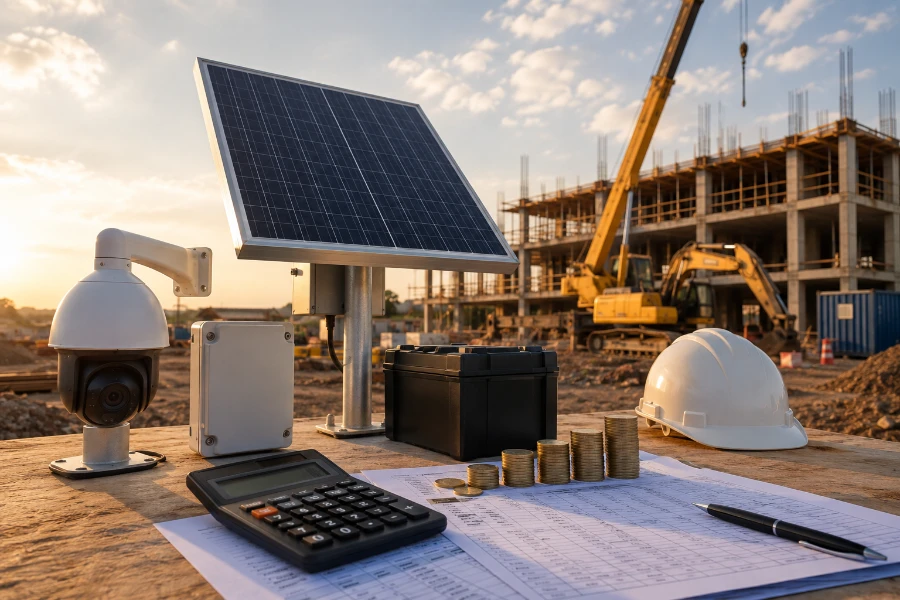
Pricing varies heavily depending on coverage needs and feature requirements.
Factors include:
- Number of cameras
- Resolution quality
- Solar panel size
- Battery capacity
- Cloud storage
- Cellular data usage
- Mounting systems
Typical Cost Categories
| Component | Cost Range |
| Solar Camera Unit | Moderate to High |
| Solar Panel Kit | Moderate |
| Battery Backup | Moderate |
| Cellular Plan | Monthly recurring |
| Installation Hardware | Low to Moderate |
While upfront costs may appear higher than cheap wired cameras, reduced infrastructure work often lowers total project expenses overall.
Industries Using Temporary Solar Camera Job Site Systems
Construction companies are not the only users anymore.
These systems now protect many temporary environments.
Common Industries
- Commercial construction
- Residential development
- Oil and gas projects
- Telecommunications
- Utility infrastructure
- Agriculture
- Transportation projects
- Outdoor events
The flexibility of solar-powered monitoring continues expanding into new industries every year.
Future Trends in Temporary Solar Surveillance
Technology keeps improving rapidly.
Several developments are already shaping the next generation of job site monitoring.
Better AI Analytics
Systems increasingly recognize suspicious behaviors automatically instead of simply detecting motion.
Improved Solar Efficiency
Newer panels generate more energy using less space.
Edge-Based Processing
Some cameras now process data directly on-device instead of relying entirely on cloud servers.
That improves speed while reducing bandwidth usage.
Integrated Sensors
Future systems will combine cameras with:
- Environmental monitoring
- Noise detection
- Thermal imaging
- Equipment tracking
Construction security is becoming far more intelligent.
Practical Setup Tips for Better Results
If you want a temporary solar camera job site setup to work reliably, focus on preparation before installation begins.
Conduct a Risk Assessment
Identify:
- Theft-prone areas
- Blind spots
- Equipment locations
- Access points
Test Before Deployment
Always verify:
- Solar exposure
- Cellular connectivity
- Camera visibility
- Battery charging performance
Keep Systems Maintained
Dust buildup on panels reduces efficiency.
Routine cleaning improves long-term reliability.
Use Redundant Coverage
One camera angle is rarely enough for critical assets.
Overlapping views improve evidence collection dramatically.
Final Thoughts
Construction security is changing fast. A temporary solar camera job site system gives contractors a flexible, scalable, and highly practical way to protect expensive equipment, monitor activity, and reduce operational risks without depending on permanent infrastructure.
That matters more today than ever before.
Projects move quickly. Sites shift constantly. Theft remains a serious problem across the industry. Portable solar surveillance solves many of those challenges while improving accountability and visibility at the same time.
And honestly, the technology keeps getting better.
Modern systems now deliver intelligent monitoring, remote access, cloud storage, and active deterrence features that were once limited to large commercial security operations. Today, even temporary job sites can deploy advanced protection in a matter of hours.
That level of flexibility gives contractors a real advantage.
FAQs
A temporary solar camera job site system is a portable surveillance setup powered by solar energy and battery storage instead of permanent electrical wiring.
Yes. The batteries store solar energy during the day so the cameras can continue operating overnight.
Absolutely. Most systems use 4G or 5G cellular connectivity, allowing remote access even on undeveloped construction sites.
Battery duration depends on system size and usage, but many quality setups can operate for several cloudy days without direct sunlight.
Most commercial-grade systems are designed for outdoor use and include weatherproof ratings that protect against rain, dust, and harsh conditions.
The best locations include entry points, equipment storage zones, perimeter fencing, parking areas, and elevated positions for wider visibility.
Yes. Visible surveillance systems often discourage theft attempts while also providing recorded evidence if incidents occur.
No. One of the biggest advantages of a temporary solar camera job site setup is the ability to move cameras easily as projects change.
Yes. Most systems allow supervisors to view live footage, receive alerts, and access recordings through mobile apps or desktop platforms.
Costs vary depending on camera quality, battery size, storage options, and coverage area, but pricing typically ranges from moderate to high for professional-grade systems.