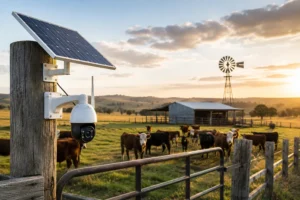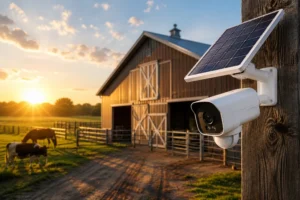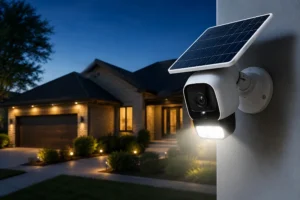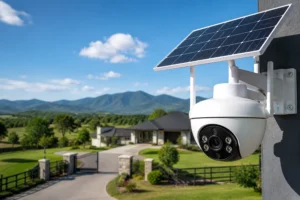
Pasture security used to be simple.
A fence. A lock. Maybe a nearby barn with someone checking the property twice a day.
That is no longer enough.
Today, ranch owners, livestock operators, and farm managers face a different kind of challenge. Properties are larger. Labor is stretched thinner. Equipment is more expensive. And livestock theft, trespassing, and predator attacks are becoming harder to monitor in remote grazing areas. That is exactly why solar CCTV for pasture systems are becoming one of the smartest investments modern agricultural operations can make.
And honestly? The shift makes sense.
Traditional wired surveillance systems struggle in open pasture environments. Running electrical lines across fields is expensive. Trenching damages land. Maintenance becomes frustrating. In some locations, it simply is not practical.
Solar-powered surveillance changes the equation.
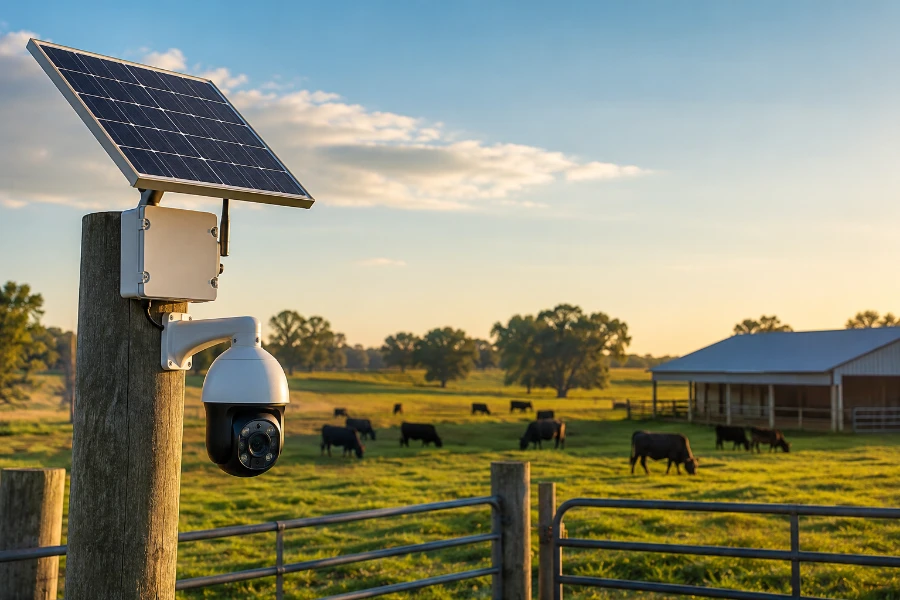
A properly installed solar CCTV for pasture setup gives ranch owners remote visibility over critical areas without depending on utility power. Cameras can monitor gates, water tanks, feeders, barns, and fence lines around the clock while operating entirely on solar energy.
More importantly, they provide peace of mind.
You no longer need to wonder what happened overnight.
You can see it.
What Is Solar CCTV for Pasture?
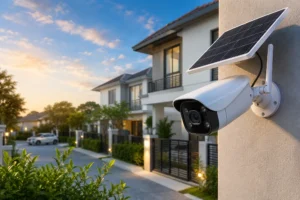
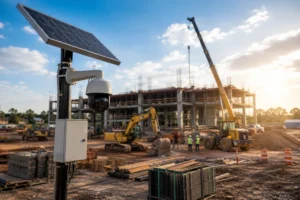
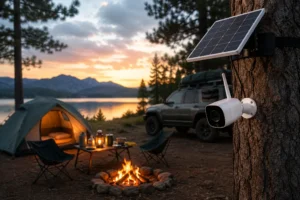
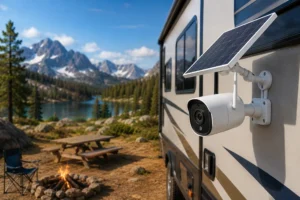
A solar CCTV for pasture system uses solar panels, rechargeable batteries, wireless communication, and surveillance cameras to monitor remote agricultural areas.
The concept is straightforward.
Solar panels collect sunlight during the day. That energy charges internal or external batteries. The batteries then power the cameras continuously, including overnight.
Most modern systems also include:
- Motion detection
- Infrared night vision
- Mobile app access
- Cloud or SD card recording
- AI-based alerts
- 4G LTE or SIM card connectivity
This matters because many pasture areas do not have reliable electrical infrastructure nearby.
Instead of bringing power to the camera, the camera brings its own power source.
That flexibility is the real advantage.
Modern solar charging systems are heavily based on principles of Photovoltaics, which allow solar panels to convert sunlight into usable electrical energy for long-term remote operation.
Why Pasture Areas Need Dedicated Surveillance
Open grazing land creates unique security problems.
And most of them happen far away from direct visibility.
Livestock Theft Is a Real Problem
Many ranch owners underestimate how quickly theft can happen.
Remote gates. Poor lighting. Limited traffic. Those conditions create easy opportunities for unauthorized access.
Even losing a few animals can create thousands of dollars in losses.
A solar CCTV for pasture setup helps monitor:
- Access roads
- Trailer activity
- Gate movement
- After-hours vehicle traffic
- Unauthorized visitors
Visible cameras also create deterrence.
People behave differently when they know they are being recorded.
Predator Monitoring Matters
Coyotes. Wild dogs. Feral hogs.
Predator activity often increases during nighttime hours when visibility is lowest.
Solar surveillance cameras equipped with infrared or color night vision help monitor unusual movement patterns near livestock areas. In some cases, early alerts allow ranchers to intervene before significant losses occur.
That response time can make a huge difference.
Equipment Theft Adds Up Fast
Modern agricultural equipment is expensive.
Feed trailers, generators, water pumps, fuel tanks, and utility vehicles are all common targets in isolated pasture areas.
The problem becomes worse when equipment is spread across multiple acres.
A strategically placed solar CCTV for pasture system helps operators monitor valuable assets without requiring permanent electrical installations.
The Biggest Benefits of Solar CCTV for Pasture
Some upgrades sound impressive on paper but create headaches in the real world.
Solar pasture surveillance is different.
The benefits are practical immediately.
No Electrical Infrastructure Required
This is the biggest advantage.
No trenching.
No underground conduit.
and no running hundreds of feet of cable through rough terrain.
That dramatically lowers installation complexity in large agricultural environments.
For remote ranch properties, this alone often justifies the investment.
Remote Access Changes Everything
One of my favorite features of modern solar CCTV for pasture systems is remote viewing.
You can check cameras from:
- Smartphones
- Tablets
- Laptops
- Office desktops
Whether you are in town, traveling, or managing multiple properties, real-time visibility becomes incredibly valuable.
Instead of driving across the property to inspect conditions, you can open an app and instantly check live footage.
That saves time. A lot of it.
Lower Operating Costs
Solar-powered cameras reduce ongoing energy expenses.
Once installed, the system largely powers itself.
Maintenance is usually minimal beyond occasional panel cleaning and battery inspections.
Compared to wired infrastructure projects, long-term operational costs are often significantly lower.
Understanding how solar panels perform in different environmental conditions can also improve system planning. The U.S. Department of Energy Solar Energy Basics guide explains how solar energy systems generate and store power efficiently in real-world applications.
Flexible Camera Placement
Pastures change.
Grazing areas rotate. Equipment locations move. Temporary fencing shifts seasonally.
A solar CCTV for pasture system offers far more flexibility than permanently wired surveillance infrastructure.
You can relocate cameras more easily when operational needs change.
That adaptability matters more than many people realize.
How Solar CCTV Systems Work in Open Pastures
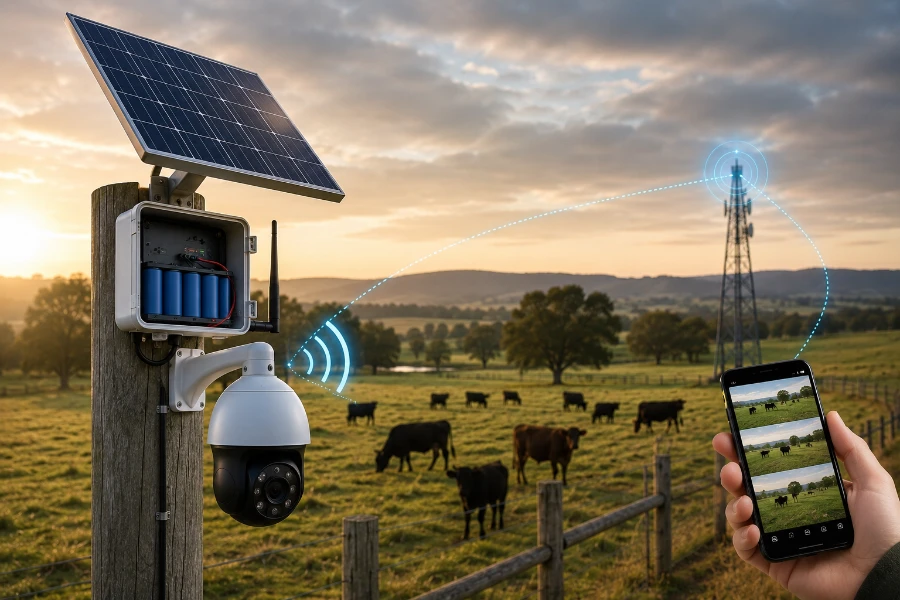
People sometimes assume solar cameras only work in perfect sunny conditions.
That is not accurate.
Modern systems are designed with energy storage in mind.
Solar Panels Charge Internal Batteries
During daylight hours, solar panels recharge onboard batteries.
High-capacity battery systems then continue powering the cameras overnight or during cloudy weather conditions.
The key factor is battery sizing.
A properly designed system accounts for:
- Local climate
- Sun exposure
- Camera power draw
- Nighttime usage
- Recording frequency
Poor battery planning is one of the most common reasons low-quality systems fail.
Wireless Connectivity Is Critical
Most pasture surveillance systems rely on wireless communication instead of traditional internet connections.
Common options include:
| Connectivity Type | Best Use Case |
| 4G LTE SIM Cameras | Remote pastures without Wi-Fi |
| Wi-Fi Bridge Systems | Properties with nearby buildings |
| Long-Range Wireless Links | Large ranch operations |
4G LTE cameras are especially popular because they operate independently from local internet infrastructure.
If there is cellular coverage, there is usually a workable solution.
Motion Detection Improves Efficiency
Constant recording drains battery systems faster.
That is why modern solar CCTV for pasture cameras often rely on motion-triggered recording.
Smart detection features can identify:
- Humans
- Vehicles
- Animals
- Fence movement
This reduces unnecessary recording while improving battery efficiency.
It also makes footage review far easier.
Nobody wants to sort through 18 hours of empty pasture video.
Best Places to Install Solar CCTV in Pastures
Placement determines performance.
A great camera installed poorly still produces weak results.
Entry Gates
Always prioritize gates.
Vehicle traffic creates the highest security exposure point on most properties.
Install cameras high enough to avoid tampering while maintaining clear visibility of:
- License plates
- Trailers
- Gate activity
- Driver movement
Water Sources
Livestock naturally gather around water tanks and troughs.
These areas become ideal observation points for monitoring animal behavior and identifying operational issues.
Water leaks, damaged tanks, or abnormal livestock activity become easier to spot remotely.
Feed Stations
Feed theft is more common than many operators expect.
Feeders also create concentrated livestock movement areas, making them useful monitoring zones for health observation and predator activity.
Fence Lines
Fence damage often goes unnoticed for long periods.
Strategically positioned cameras help monitor vulnerable fence sections prone to:
- Storm damage
- Animal pressure
- Trespassing
- Vehicle impact
Choosing the Right Solar CCTV for Pasture
Not all solar camera systems are designed for agricultural environments.
Some consumer-grade models struggle badly in rural conditions.
Choosing correctly matters.
Prioritize Weather Resistance
Pasture cameras face brutal conditions.
Heat. Rain. Dust. Wind. Humidity.
Look for cameras with at least:
- IP66 rating
- IP67 rating
Weatherproof housing is not optional in agricultural surveillance.
Battery Capacity Is Extremely Important
A weak battery creates unreliable coverage.
Cloudy days happen.
Storms happen.
Extended nighttime recording happens.
Larger battery capacity improves operational stability significantly.
Especially in areas with inconsistent sunlight.
Night Vision Quality Matters More Than Advertised Resolution
Many buyers focus entirely on 4K marketing claims.
But poor night visibility ruins surveillance value quickly.
A reliable 1080p or 2K camera with strong infrared performance often outperforms a cheaper “4K” model with weak nighttime imaging.
That distinction matters in real-world pasture monitoring.
PTZ Cameras Offer Broader Coverage
PTZ stands for pan-tilt-zoom.
These cameras can rotate remotely, allowing operators to inspect larger areas from a single mounting position.
They work particularly well for:
- Large grazing zones
- Equipment yards
- Feed storage areas
- Multi-direction gate coverage
Common Challenges With Solar Pasture Surveillance
Every system has limitations.
Understanding them upfront prevents disappointment later.
Limited Sunlight Exposure
Trees create problems.
So do barns, hills, and seasonal shade patterns.
Solar panels need consistent sunlight exposure for reliable charging.
Before installation:
- Observe sun direction
- Check afternoon shade
- Avoid mounting beneath tree canopies
Poor solar placement reduces performance dramatically.
Weak Cellular Signal
Remote pasture locations sometimes experience inconsistent cellular reception.
This can affect:
- Live viewing
- Motion alerts
- Cloud uploads
Solutions may include:
- External antennas
- Signal boosters
- Higher-gain LTE equipment
Testing connectivity before permanent installation is extremely important.
Wildlife Can Damage Equipment
Curious animals investigate things.
Cattle rub against poles. Birds perch on panels. Wildlife occasionally damages exposed wiring.
Use sturdy mounts and protective conduit whenever possible.
Agricultural equipment must be rugged.
Installation Tips That Improve Long-Term Performance
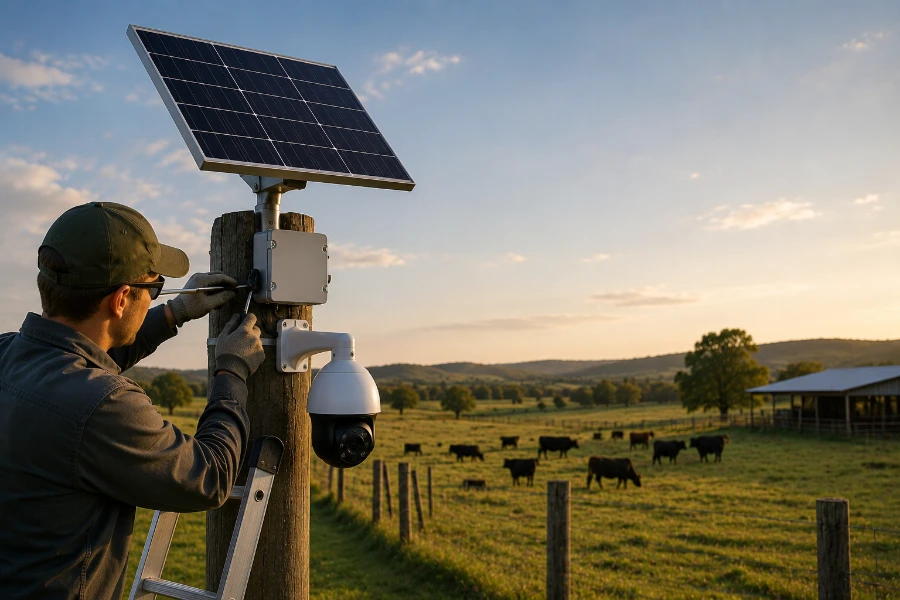
A few smart installation choices dramatically improve system reliability.
Mount Cameras Higher Than You Think
Low-mounted cameras face more risk from:
- Vandalism
- Livestock interference
- Mud splatter
- Flooding
Elevated placement improves both visibility and equipment protection.
Secure Mounting Structures Properly
Wind exposure in open pasture areas can be intense.
Weak poles eventually loosen.
Strong steel mounting structures are usually worth the additional investment.
Especially for larger solar panels.
Test Before Finalizing Placement
Temporary setup testing helps identify:
- Weak cellular coverage
- Poor viewing angles
- Sunlight issues
- Blind spots
Always verify performance before permanent installation.
It saves major frustration later.
Solar CCTV for Pasture vs Traditional Wired Systems
The differences become obvious quickly in agricultural environments.
| Feature | Solar CCTV for Pasture | Traditional Wired CCTV |
| Power Source | Solar energy | Grid electricity |
| Installation Complexity | Lower | Higher |
| Trenching Required | No | Often yes |
| Mobility | High | Limited |
| Rural Suitability | Excellent | Sometimes difficult |
| Expansion Flexibility | Easy | More expensive |
Traditional systems still work well in barns or buildings with existing utilities.
But for remote pasture coverage, solar solutions usually offer far greater flexibility.
Smart Features That Improve Ranch Operations
Modern systems do more than record video.
They help operators manage properties more efficiently.
Mobile Notifications
Instant alerts provide real-time awareness when:
- Gates open
- Vehicles arrive
- Motion is detected
- Animals gather unexpectedly
Fast awareness creates faster response times.
Two-Way Audio
Some cameras include built-in microphones and speakers.
This allows operators to communicate remotely with workers or warn trespassers through the camera itself.
That feature surprises people the first time they use it.
And it is genuinely useful.
Cloud Storage Adds Protection
Local SD cards can fail or be stolen.
Cloud storage creates an additional backup layer for important footage.
Especially valuable after theft incidents or disputes.
Common Mistakes to Avoid
I see the same installation mistakes repeatedly.
And most of them are avoidable.
Choosing Cameras Designed for Residential Use
Residential cameras often struggle in harsh agricultural environments.
Always choose equipment rated for outdoor commercial conditions.
Ignoring Battery Requirements
Bigger properties often require more recording activity.
More activity means higher power demand.
Battery undersizing creates constant reliability issues.
Installing Cameras Too Close Together
Coverage overlap wastes resources.
Instead, prioritize strategic placement around high-value or high-risk areas.
The Future of Solar CCTV for Pasture
Agricultural surveillance technology is evolving quickly.
AI detection systems are becoming smarter. Battery technology continues improving. Solar charging efficiency is increasing.
Future systems will likely integrate with:
- Livestock tracking software
- Automated ranch management platforms
- Drone monitoring systems
- Smart fencing technology
And honestly, that progression makes sense.
Modern agriculture increasingly depends on visibility, efficiency, and data-driven decision-making.
Solar surveillance fits naturally into that shift.
Final Thoughts
A well-designed solar CCTV for pasture system does more than record video.
It creates visibility where visibility previously did not exist.
That matters.
Especially on large properties where constant physical monitoring simply is not practical.
The ability to remotely monitor gates, livestock, equipment, fence lines, and feeding areas gives ranch owners greater operational awareness while reducing security risks at the same time.
And unlike traditional wired systems, solar-powered surveillance works exceptionally well in the exact environments where conventional infrastructure becomes difficult or expensive.
That flexibility is why adoption continues growing.
For many ranchers and agricultural operators, solar CCTV for pasture technology is no longer a luxury.
It is becoming part of modern pasture management itself.
FAQs
A solar CCTV for pasture system is a solar-powered surveillance setup designed to monitor remote grazing areas without relying on traditional electrical infrastructure.
Yes. Most solar CCTV cameras use rechargeable batteries that store solar energy during the day and power the cameras overnight.
Not always. Many systems use 4G LTE SIM cards, allowing them to operate in remote areas without Wi-Fi access.
Battery life depends on camera usage, weather conditions, and battery size, but many systems can operate for several cloudy days without direct sunlight.
Most quality outdoor models are built with weather-resistant ratings like IP66 or IP67 to handle rain, dust, heat, and harsh outdoor conditions.
The best locations include gates, watering areas, feed stations, barns, equipment storage areas, and vulnerable fence lines.
Yes. Many modern systems include motion detection and AI features that can identify animals, vehicles, and human activity.
No. Most systems are easier to install than wired cameras because they do not require trenching or electrical connections.
Maintenance is usually minimal and may include cleaning solar panels, checking battery health, and inspecting mounts periodically.
For many ranchers and livestock owners, solar CCTV for pasture systems help reduce theft risks, improve monitoring, and provide peace of mind in remote areas.