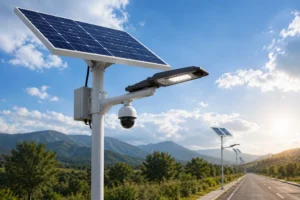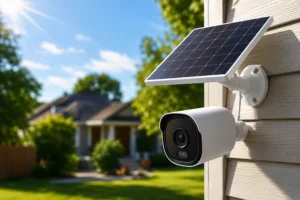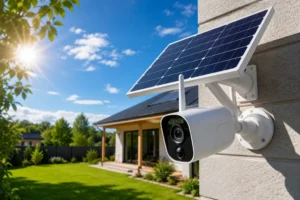
Construction projects move fast. Equipment arrives daily, crews rotate constantly, and expensive materials often sit exposed overnight. That is exactly why construction site CCTV solar systems have become one of the fastest-growing security solutions in the industry.
Traditional wired surveillance simply does not fit many modern job sites anymore.
Some sites do not have permanent electricity yet. Others cover massive areas where running cables becomes expensive and time-consuming. And in remote locations, security gaps can quickly turn into thousands of dollars in losses.
That is where construction site CCTV solar technology changes the game.
These systems combine solar power, battery storage, wireless connectivity, and high-definition cameras into one flexible package that can operate almost anywhere. No trenching. No complicated electrical setup and no waiting weeks for infrastructure.
Just fast, mobile protection.
And honestly? That flexibility matters more than ever.
What Is a Construction Site CCTV Solar System?
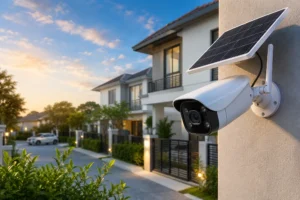
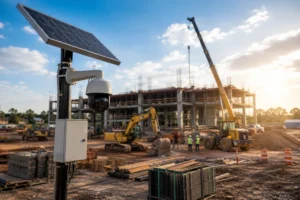
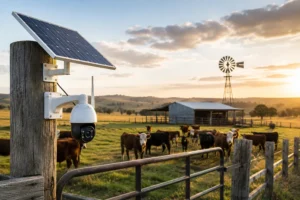
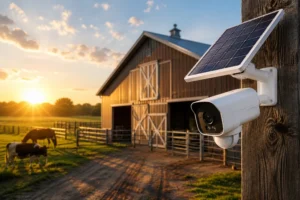
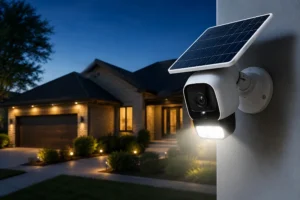
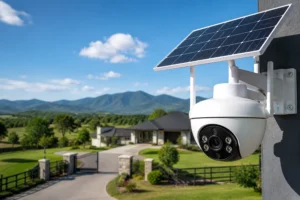
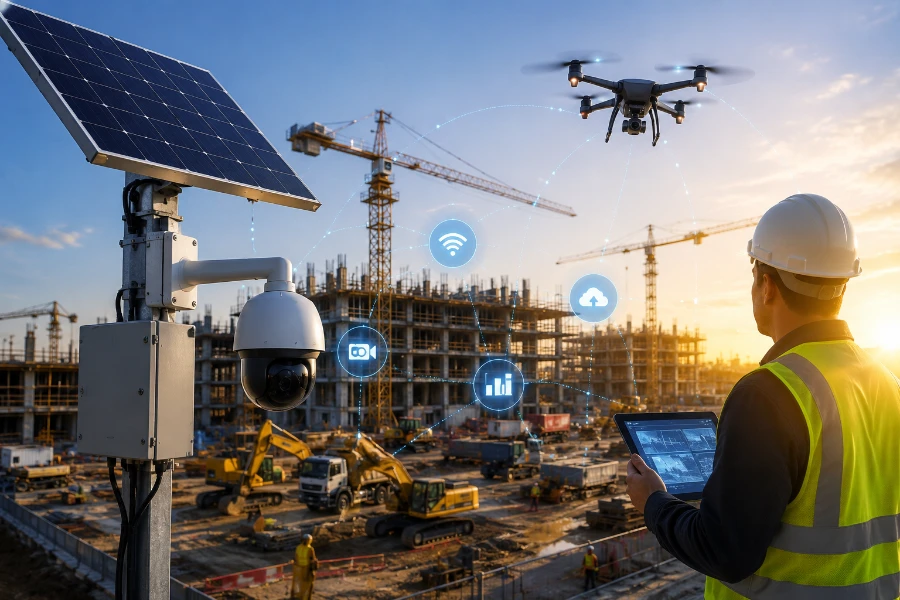
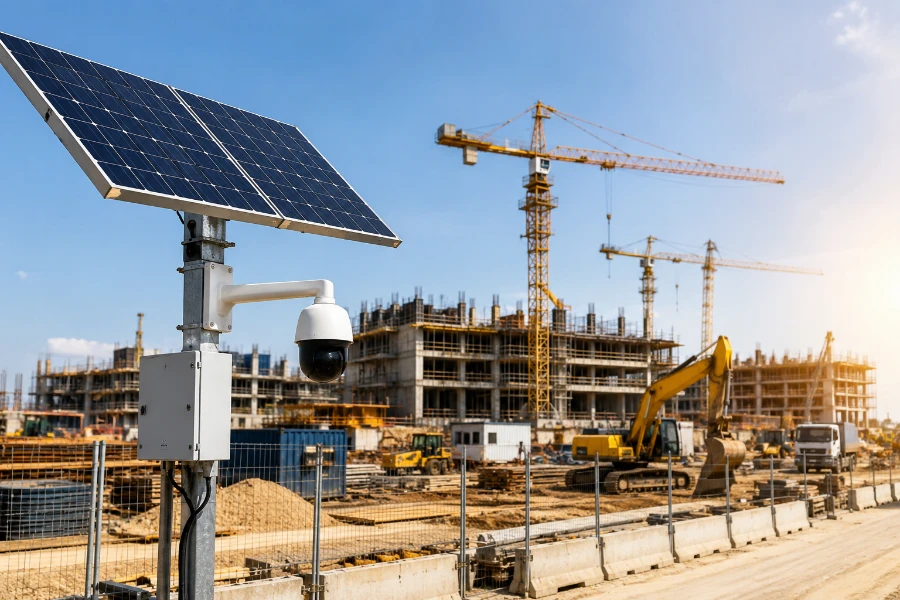
A construction site CCTV solar system uses solar panels to power surveillance cameras and monitoring equipment directly on active job sites.
The setup usually includes:
- Solar panels
- CCTV cameras
- Rechargeable batteries
- Wireless transmission systems
- Mounting poles or trailers
- Remote monitoring software
During daylight hours, the solar panel charges the batteries while powering the cameras simultaneously. At night, stored battery power keeps the system operating.
Simple concept. Big impact.
Most modern systems also include mobile connectivity, allowing project managers or security teams to monitor live footage remotely from smartphones or desktops.
That means someone can check the site from almost anywhere.
Why Construction Sites Need Better Security
Construction sites attract problems.
Unfortunately, they also attract thieves.
Heavy machinery, copper wiring, generators, fuel tanks, and power tools are incredibly valuable targets. Even small theft incidents can delay projects and create major replacement costs.
And theft is only part of the issue.
Construction sites also face:
- Vandalism
- Trespassing
- Liability disputes
- Safety incidents
- Unauthorized dumping
- After-hours accidents
The financial impact adds up quickly.
A single stolen skid steer or excavator attachment can cost thousands. Repeated fuel theft can quietly drain budgets for months before someone notices the pattern.
This is exactly why construction site CCTV solar systems have become so valuable. They provide continuous monitoring without requiring permanent power infrastructure.
That flexibility gives contractors more control over rapidly changing job sites.
The Biggest Advantages of Construction Site CCTV Solar Systems
No Permanent Electrical Infrastructure Required
This may be the single biggest benefit.
Many construction sites start completely undeveloped. There may be no utility poles, electrical panels, or stable power sources available yet.
Traditional surveillance systems struggle in those environments.
Construction site CCTV solar systems solve that problem immediately. Once the solar unit is installed and positioned correctly, the cameras can begin operating almost instantly.
That speed matters.
Especially on projects where expensive materials arrive before permanent utilities are installed.
Faster Deployment
Wired systems often require:
- Trenching
- Electrical permits
- Cabling
- Network installation
- Multiple contractors
Solar CCTV systems eliminate much of that complexity.
Some portable units can be operational within hours.
Not weeks.
That rapid deployment allows contractors to secure vulnerable areas much earlier during the construction process.
Flexible Placement Across the Job Site
Construction sites evolve constantly.
The storage area today may become the excavation zone next month. Fencing changes. Equipment locations shift. Access roads move.
Solar-powered CCTV systems adapt far more easily than fixed wired setups.
Portable towers and pole-mounted systems can be repositioned whenever site conditions change.
That flexibility is a huge advantage.
Lower Long-Term Operating Costs
The upfront cost of solar CCTV equipment can appear higher initially. But over time, many contractors discover the operating costs are significantly lower.
Why?
Because they reduce:
- Electrical consumption
- Wiring expenses
- Infrastructure labor
- Ongoing utility costs
For long-term projects, those savings become substantial.
Key Features to Look for in a Construction Site CCTV Solar System
Not all systems are equal.
Some are built for small residential renovations. Others are designed for massive commercial projects with multiple acres of exposure.
Choosing the wrong setup creates blind spots and weak security coverage.
Here are the most important features to evaluate.
High-Resolution Video Quality
Blurry footage helps nobody.
Look for systems offering at least 1080p resolution, though many professional-grade systems now provide 2K or 4K video clarity.
Clear footage matters because it helps:
- Identify license plates
- Recognize faces
- Document incidents accurately
- Improve insurance claim evidence
Night vision performance is equally important.
Construction theft rarely happens at noon.
Reliable Battery Backup
Battery storage determines how long the system can operate without sunlight.
That becomes critical during:
- Cloudy weather
- Storm conditions
- Winter months
- Extended overnight operation
A weak battery setup can leave the site vulnerable precisely when security matters most.
Motion Detection and Smart Alerts
Modern construction site CCTV solar systems often include AI-powered analytics. Many of these intelligent systems now rely on technologies similar to computer vision to identify suspicious activity more accurately.
These systems can distinguish between:
- Vehicles
- Humans
- Animals
- Environmental movement
That reduces false alarms dramatically.
Nobody wants constant notifications because tree branches moved in the wind.
Smart alerts allow security teams to respond faster to real threats.
Weather Resistance
Construction environments are harsh.
Dust. Heat. Rain. Wind. Debris.
The cameras and solar equipment must survive all of it.
Look for systems with strong weatherproof ratings and durable enclosures designed specifically for outdoor industrial use. Extreme outdoor exposure can also accelerate corrosion on poorly protected equipment, especially on long-term construction projects.
Best Locations to Install Solar CCTV Cameras on Construction Sites
Placement strategy matters more than many people realize.
Even high-end cameras perform poorly if installed in the wrong areas.
Site Entrances and Exits
Every vehicle entering or leaving the site should be visible.
This helps track:
- Deliveries
- Contractors
- Unauthorized visitors
- Equipment movement
Entry-point footage often becomes extremely valuable during investigations.
Equipment Storage Zones
Heavy machinery and tools are prime theft targets.
Place cameras near:
- Tool containers
- Fuel tanks
- Equipment yards
- Temporary storage trailers
Criminals usually look for easy opportunities. Visible surveillance often discourages theft attempts before they even begin.
Perimeter Fencing
Perimeter monitoring creates early detection advantages.
Instead of discovering theft after the damage is done, perimeter cameras can alert teams during active intrusion attempts.
That response window matters enormously.
Elevated Viewing Positions
Higher camera placement improves visibility.
Pole-mounted construction site CCTV solar systems can monitor larger areas while reducing blind spots.
Elevated cameras also make vandalism more difficult.
Comparing Solar CCTV vs Traditional Wired CCTV
Here is a practical comparison contractors should consider.
| Feature | Solar CCTV | Wired CCTV |
| Installation Speed | Fast | Slower |
| Mobility | Excellent | Limited |
| Power Requirements | Solar-powered | Grid electricity |
| Site Flexibility | High | Moderate |
| Cable Infrastructure | Minimal | Extensive |
| Remote Site Capability | Excellent | Poor |
| Expansion Flexibility | Easy | More difficult |
| Operating Costs | Lower long-term | Higher ongoing |
For temporary projects, solar often wins decisively.
Especially in undeveloped locations.
Common Challenges With Construction Site CCTV Solar Systems
No system is perfect.
Solar surveillance still comes with limitations contractors should understand before investing.
Limited Sunlight Conditions
Solar performance depends heavily on sunlight exposure.
Poor panel positioning can reduce charging efficiency significantly.
This becomes especially important during:
- Winter months
- Extended storms
- Dense cloud cover
- Shaded installation areas
The solution usually involves proper battery sizing and smart panel placement.
Cellular Signal Problems
Many remote job sites have weak cellular coverage.
That can affect:
- Remote viewing
- Cloud uploads
- Live alerts
- Video transmission
Some systems solve this using signal boosters or dual-network SIM configurations.
Still, connectivity planning should happen before installation.
Battery Degradation Over Time
All batteries eventually degrade.
High temperatures can accelerate wear, especially on exposed construction sites.
Routine maintenance and battery health monitoring help extend system lifespan.
Ignoring battery performance creates unnecessary risk.
How to Choose the Right Construction Site CCTV Solar Setup
Choosing blindly is expensive.
Security planning should match the actual project conditions.
Evaluate Site Size Carefully
A small residential build may only need two or three cameras.
A multi-acre commercial project could require:
- Multiple towers
- Overlapping coverage zones
- Dedicated perimeter monitoring
- Separate equipment surveillance areas
Coverage gaps create vulnerabilities.
Proper planning reduces them.
Determine Whether the Site Is Temporary or Long-Term
Some projects last weeks. Others continue for years.
Portable trailer-mounted systems work extremely well for temporary projects because they can move easily between sites.
Semi-permanent pole systems may make more sense for longer builds.
Consider Storage Requirements
Video storage matters more than many contractors initially realize.
Questions to ask include:
- How long should footage be retained?
- Is cloud storage necessary?
- Will footage need legal or insurance documentation purposes?
- Is local backup required?
Higher-resolution video also increases storage demands quickly.
Practical Tips for Maximizing Construction Site CCTV Solar Performance
Good installation practices improve reliability dramatically.
Here are several practical recommendations.
Position Solar Panels Correctly
Avoid shaded areas whenever possible.
Even partial shade can reduce charging performance substantially.
Panels should receive maximum direct sunlight throughout the day.
Clean the Solar Panels Regularly
Construction sites generate enormous dust levels.
Dust accumulation reduces charging efficiency over time.
Regular cleaning improves overall system performance.
Simple maintenance creates noticeable results.
Test Alerts Frequently
Do not assume notifications work perfectly forever.
Test:
- Motion alerts
- Live viewing
- Night vision
- Remote playback
- Recording functions
Small issues become major problems if left unnoticed.
Secure the Cameras Themselves
This sounds obvious.
But many installations overlook it.
Visible cameras deter crime, but poorly secured equipment can become theft targets too.
Use tamper-resistant mounts whenever possible.
Future Trends in Construction Site CCTV Solar Technology
The technology keeps improving rapidly.
Several trends are already changing how contractors secure job sites.
AI-Powered Monitoring
Artificial intelligence now allows systems to detect unusual behavior patterns automatically.
For example:
- Loitering detection
- Vehicle tracking
- Unauthorized after-hours movement
- Restricted-area access
That creates faster response opportunities.
Better Solar Efficiency
Modern panels continue improving energy output while shrinking in size.
That allows smaller systems to power more advanced cameras for longer periods.
Efficiency gains matter enormously on remote sites.
Cloud-Based Security Management
Many newer construction site CCTV solar systems now integrate centralized cloud platforms.
This allows contractors managing multiple projects to monitor all sites from one dashboard.
That scalability is becoming increasingly valuable for larger construction firms.
Integration With Other Site Technologies
Security systems are beginning to connect with:
- Access control systems
- Smart lighting
- Drone monitoring
- Job site analytics
- Worker safety platforms
Construction technology is becoming more connected every year.
Security is evolving alongside it.
Why Construction Site CCTV Solar Systems Continue Growing in Popularity
The construction industry has changed.
Projects move faster. Theft risks remain high. Remote jobsites are more common. And contractors need security systems that adapt quickly without creating infrastructure headaches.
That is exactly where construction site CCTV solar systems deliver enormous value.
They offer:
- Mobility
- Faster deployment
- Lower infrastructure costs
- Flexible monitoring
- Reliable remote surveillance
And perhaps most importantly, they allow contractors to secure sites before permanent utilities even exist.
That changes the entire security conversation.
Because proactive security almost always costs less than recovering from theft, vandalism, or project delays later.
The right system does more than record incidents.
It helps prevent them.
And in modern construction, prevention is everything.
FAQs
It is a solar-powered surveillance system designed for temporary or remote construction sites.
Yes. Battery storage keeps the cameras running after sunset.
Quality systems are designed with battery backups that can continue operating for several days during low-sunlight conditions. Proper battery sizing is extremely important.
Not always, but internet or cellular connectivity is usually needed for remote viewing, mobile alerts, and cloud storage features.
Many portable systems can be installed within a few hours, especially compared to traditional wired CCTV setups that require trenching and electrical work.
Yes. Visible surveillance systems often discourage criminals from targeting equipment, tools, fuel tanks, and material storage areas.
Maintenance is generally low. Most systems only require occasional panel cleaning, battery checks, and software updates to maintain strong performance.
Important features include HD video quality, night vision, motion detection, weather resistance, long battery life, and remote mobile access.
Yes. One major advantage of construction site CCTV solar systems is their flexibility and portability as projects evolve.
Absolutely. Larger projects often use multiple solar surveillance towers and overlapping camera coverage to secure wide construction zones effectively.