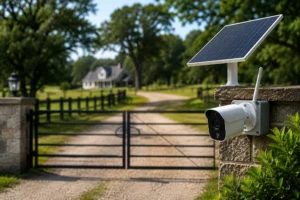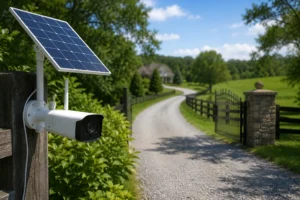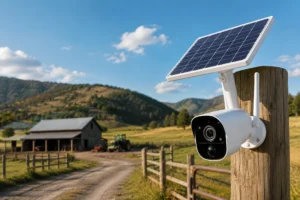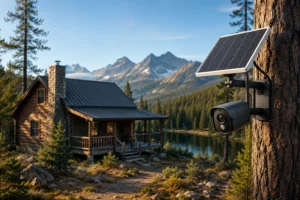
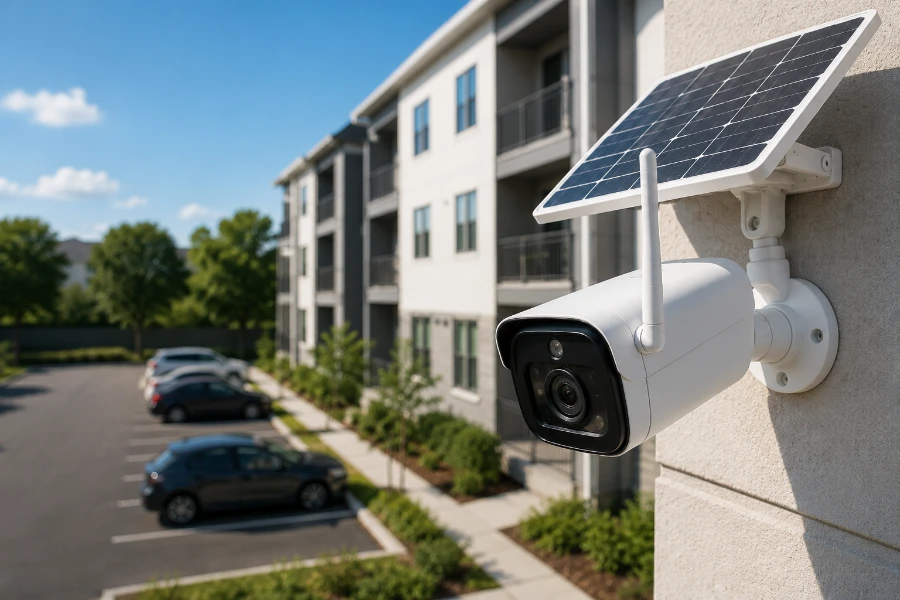
Security becomes more complicated when multiple people share access to a property.
A homeowner typically controls who enters the property, who uses utilities, and who interacts with security equipment. Rental properties operate differently. Tenants move in and out. Contractors come and go. Visitors arrive throughout the day. Property managers often oversee multiple locations at once.
That is why a tenant-proof camera has become one of the most valuable security investments available today.
Whether you own apartment buildings, self-storage facilities, commercial rental units, vacation properties, or mobile home communities, protecting your investment requires more than simply mounting a camera on a wall. You need a surveillance system that continues operating even when someone attempts to disable it, obstruct it, disconnect it, or manipulate recorded footage.
Modern tenant-proof camera systems are specifically designed to address these challenges.
They help property owners reduce risk, resolve disputes, deter crime, and preserve critical evidence when incidents occur.
What Is a Tenant-Proof Camera?
A tenant-proof camera is a surveillance system designed to resist tampering, vandalism, interference, and unauthorized access.
Unlike traditional residential cameras, these systems prioritize reliability and evidence protection.
Their purpose is straightforward.
Keep recording.
Even when someone tries to stop them.
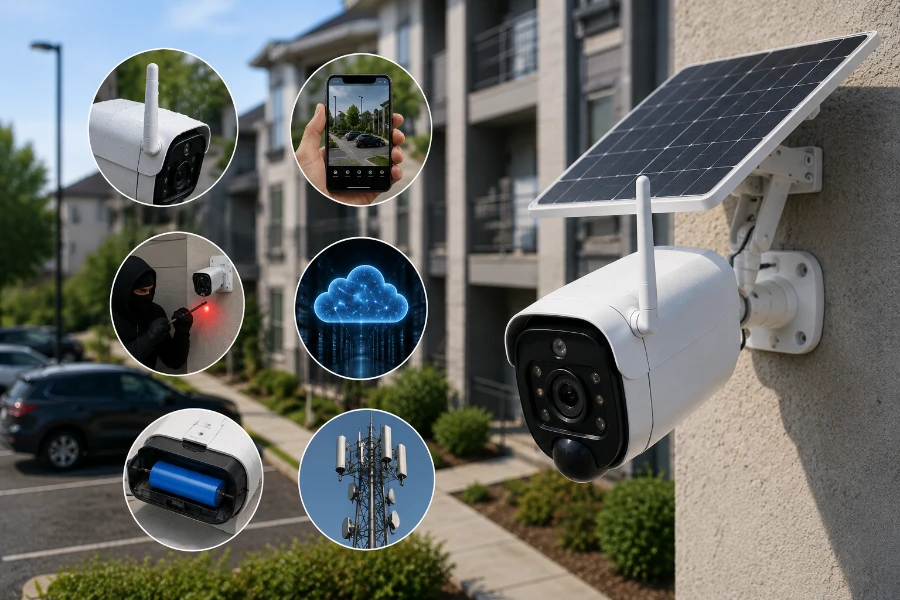
Most tenant-proof camera systems include:
- Tamper-resistant hardware
- Remote monitoring
- Cloud storage
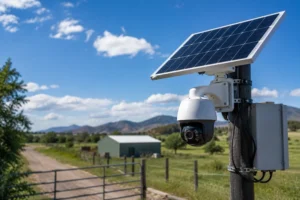
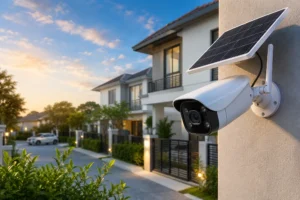
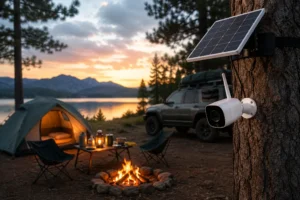
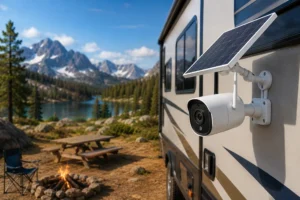
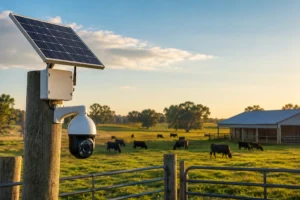
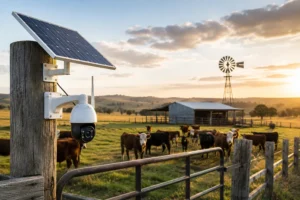
- Solar-powered operation
- Cellular connectivity
- Motion detection alerts
- Weather-resistant construction
The objective is to eliminate vulnerabilities commonly found in standard surveillance systems.
Who Benefits From Tenant-Proof Cameras?
The demand for tenant-proof surveillance continues growing across multiple industries.
Residential Landlords
Property owners frequently encounter issues such as:
- Property damage disputes
- Unauthorized occupants
- Parking conflicts
- Vandalism
- Theft
Video evidence helps establish facts quickly and objectively.
Apartment Complex Owners
Multi-family properties experience constant activity.
Monitoring entrances, parking areas, package rooms, and shared facilities can improve security while reducing liability concerns.
Self-Storage Facilities
Storage facilities often become attractive targets for criminals.
A tenant-proof camera provides continuous coverage while reducing opportunities for tampering.
Commercial Property Managers
Office buildings and retail centers require reliable surveillance that operates independently from tenant-controlled infrastructure.
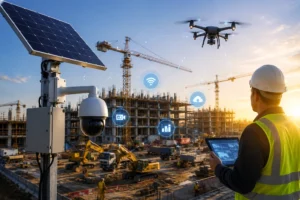
Construction Site Operators
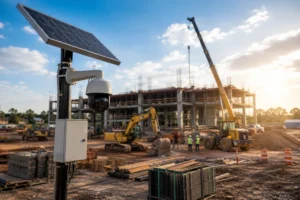
Temporary job sites frequently experience equipment theft and vandalism.
Solar-powered surveillance systems can secure locations without requiring permanent utility connections.
Vacation Rental Owners
Short-term rentals introduce a constant rotation of guests.
Exterior monitoring helps protect property while maintaining guest privacy.
Why Traditional Security Cameras Often Fail
Many property owners assume that installing cameras automatically solves security problems.
Unfortunately, reality is often different.
Camera Tampering
A person can cover the lens.
Move the camera.
Spray paint the housing.
Or simply block the field of view.
Without proper safeguards, surveillance coverage can disappear instantly.
Power Disconnection
Many conventional systems depend entirely on building electricity.
Disconnect power.
The cameras stop recording.
It’s that simple.
Network Failures
Wi-Fi cameras are only as reliable as the internet connection supporting them.
Internet outages.
Router failures.
Disconnected cables.
Any of these can interrupt surveillance operations.
Local Storage Vulnerabilities
When recordings remain on-site, evidence may disappear if storage devices are damaged or stolen.
Physical Vandalism
Standard consumer-grade cameras are often not built to withstand intentional damage.
Rental properties require stronger solutions.
Key Features That Make a Camera Tenant-Proof
Not every surveillance system deserves the label.
A true tenant-proof camera incorporates several critical features.
Tamper-Resistant Design
The first line of defense is physical durability.
Look for:
- Metal housings
- Anti-vandal construction
- Reinforced mounting brackets
- Concealed wiring
These features significantly reduce opportunities for interference.
Remote Monitoring
Property owners should be able to manage security from anywhere.
Remote monitoring allows users to:
- View live footage
- Receive instant alerts
- Access recordings
- Manage multiple properties
Many advanced surveillance platforms also use forms of telemetry to transmit system health data, battery performance, signal strength, and operational status back to administrators. This allows property owners to identify potential issues before security coverage is affected.
Secure Cloud Storage
Cloud storage has transformed modern surveillance.
Instead of storing recordings locally, footage is uploaded to secure remote servers.
Benefits include:
- Protection against theft
- Evidence preservation
- Easier retrieval of recordings
- Scalable storage capacity
Even if a camera is damaged, previously uploaded footage remains accessible.
In addition to physical protection, property owners should follow established cybersecurity best practices when managing cloud-based surveillance systems. Strong passwords, multi-factor authentication, and strict access controls help prevent unauthorized access to security footage.
Solar-Powered Operation
One of the most valuable features of a tenant-proof camera is energy independence.
Unlike traditional systems, solar-powered cameras do not depend on building electrical infrastructure.
Benefits include:
- No exposed power cords
- Reduced installation limitations
- Improved reliability
- Better resistance to tampering
Property owners comparing available options can review the guide on Best Solar Security Cameras 2026.
Cellular Connectivity
Many landlords make the mistake of relying on tenant internet connections.
That creates unnecessary risk.
Cellular-enabled surveillance systems communicate through mobile networks instead.
Advantages include:
- Independent operation
- Reliable connectivity
- Easier deployment
- Reduced tenant interference
AI-Powered Detection
Modern security systems are becoming increasingly intelligent.
Many cameras can detect:
- Human activity
- Vehicles
- Intrusion attempts
- Loitering behavior
This helps reduce false alerts while improving response times.
Why Solar-Powered Cameras Are Difficult to Disable
One major reason solar surveillance systems continue gaining popularity is resilience.
Traditional cameras often have obvious weaknesses.
Power cables.
Network connections.
Electrical panels.
These become targets when someone wants to disable surveillance.
Solar-powered systems remove many of those vulnerabilities.
No Dependence on Building Power
A tenant cannot simply unplug the camera from a nearby outlet.
The system operates independently.
Fewer Critical Failure Points
Many solar-powered systems are designed with fewer exposed components.
This reduces opportunities for tampering.
Continuous Coverage During Outages
Power failures happen.
Storms happen.
Utility disruptions happen.
Solar-powered cameras continue operating when traditional systems may go offline.
Best Locations for Tenant-Proof Camera Installation
Even the best surveillance equipment can underperform if installed in the wrong location.
Strategic placement matters.
A lot.
Property Entrances
Every property should monitor its primary access points.
These include:
- Front entrances
- Side entrances
- Gates
- Access roads
- Pedestrian pathways
Capturing entry and exit activity creates an important record that can help during investigations.
Parking Areas
Parking lots are common sources of disputes.
Issues frequently include:
- Vehicle damage
- Theft
- Unauthorized parking
- Vandalism
Well-positioned cameras help provide clear evidence when incidents occur.
Shared Community Spaces
Many incidents happen in common areas.
Examples include:
- Laundry rooms
- Mailrooms
- Package delivery areas
- Clubhouses
- Recreation facilities
Monitoring these locations can improve safety while reducing conflicts between tenants.
Building Perimeters
Property boundaries are often overlooked.
Yet fence lines, rear entrances, and side access points are common entry locations for trespassers.
Perimeter surveillance can help close these security gaps.
Utility and Equipment Areas
Mechanical rooms and maintenance facilities often contain expensive equipment.
Protecting these locations can prevent costly losses and service disruptions.
Legal Considerations for Property Owners
Installing surveillance cameras responsibly is just as important as installing them effectively.
Property owners must balance security with privacy.
Understand Privacy Expectations
Generally speaking, surveillance should focus on public and shared areas.
Avoid installing cameras in places where occupants have a reasonable expectation of privacy.
Examples include:
- Bathrooms
- Bedrooms
- Changing rooms
- Private living spaces
The goal is security, not intrusion.
Provide Appropriate Notification
Transparency builds trust.
Many property owners install visible surveillance signs and include camera disclosures within lease agreements.
Doing so helps reduce misunderstandings and may strengthen legal compliance.
Establish Data Management Policies
Security footage should be handled carefully.
Consider creating policies that address:
- Who can access recordings
- How long footage is retained
- How recordings are stored
- How footage requests are handled
Clear procedures help reduce confusion when incidents occur.
How Tenant-Proof Cameras Help Resolve Disputes
One of the most overlooked advantages of a tenant-proof camera is its ability to eliminate uncertainty.
When disputes arise, facts matter.
Video evidence often provides those facts.
Property Damage Investigations
Determining responsibility becomes easier when incidents are documented.
Instead of relying on conflicting statements, property owners can review footage and establish an accurate timeline.
Theft Investigations
Whether the issue involves package theft, equipment theft, vehicle break-ins, or vandalism, recorded evidence can support investigations and improve outcomes.
Liability Claims
Slip-and-fall incidents can become expensive.
Video footage often helps clarify what happened and when it happened.
This documentation can become valuable during insurance reviews and legal proceedings.
Unauthorized Access Claims
Questions about who entered a property and when can often be answered immediately through surveillance footage.
Insurance Support
Insurance carriers frequently require documentation when evaluating claims.
A tenant-proof camera can provide objective evidence that supports accurate claim reporting.
How to Choose the Right Tenant-Proof Camera System
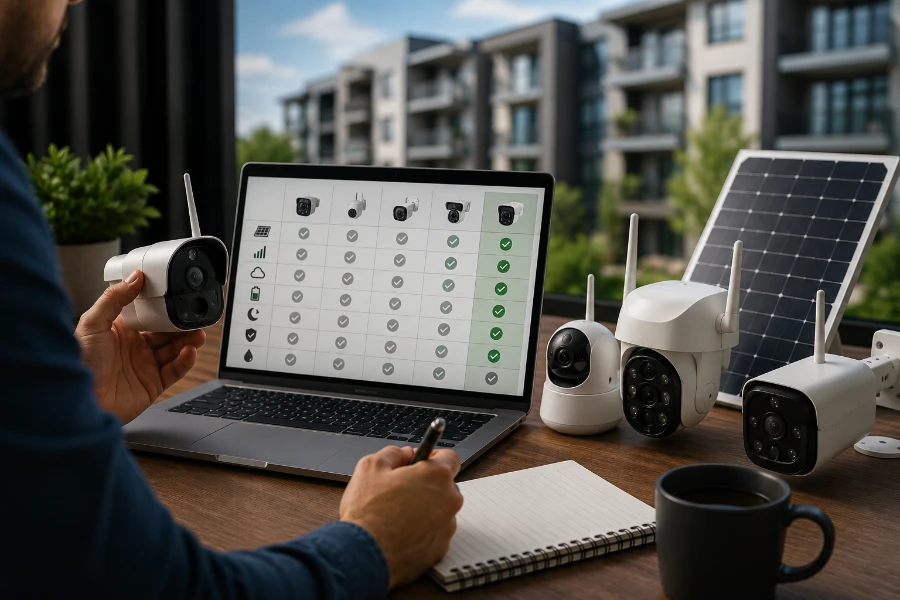
The security camera market is crowded.
Features vary widely.
Choosing the right solution requires focusing on practical performance rather than marketing claims.
If you’re comparing different surveillance solutions, this guide on How Solar Security Cameras Work can help explain the technology behind solar charging, battery storage, and remote connectivity.
Essential Feature Checklist
| Feature | Importance |
| Solar Power | High |
| Cellular Connectivity | High |
| Cloud Storage | High |
| Night Vision | High |
| Remote Monitoring | High |
| Weatherproof Construction | High |
| AI Detection | High |
| Tamper Alerts | High |
| Mobile App Access | High |
| Multi-Site Monitoring | Medium |
Common Mistakes Property Owners Make
Even premium surveillance systems can fail if they are deployed incorrectly.
Avoid these common mistakes.
Relying on Tenant Internet Connections
Allowing security systems to depend on tenant-controlled Wi-Fi introduces unnecessary risk.
Independent connectivity is usually the better option.
Choosing Consumer-Grade Equipment
Many residential cameras are not designed for the demands of rental properties or commercial environments.
Durability matters.
Ignoring Camera Placement
A poorly positioned camera may create blind spots.
Proper planning maximizes coverage and evidence quality.
Skipping Cloud Backups
Local storage alone creates unnecessary vulnerability.
Cloud storage adds an important layer of protection.
Neglecting Maintenance
Even solar-powered systems require occasional inspections.
Property owners should:
- Clean camera lenses
- Verify connectivity
- Check mounting hardware
- Review recording functionality
- Confirm battery performance
Small maintenance efforts can prevent major security issues later.
Why Solar CCTV Cameras Are Becoming the Preferred Choice
Security expectations continue rising.
Property owners need surveillance systems that are easier to deploy, harder to disable, and simpler to manage remotely.
Solar-powered CCTV cameras meet those demands.
Installation is often faster.
Infrastructure costs are lower.
Coverage can be expanded more easily.
Most importantly, these systems operate independently of tenant-controlled utilities and internet services.
That independence provides a significant advantage.
For landlords, self-storage operators, commercial property managers, and vacation rental owners, reliability is everything.
A surveillance system that stops working when someone disconnects power or internet is not truly protecting the property.
A tenant-proof camera addresses that problem directly.
The Future of Tenant-Proof Surveillance
Technology continues evolving.
Artificial intelligence is becoming more accurate.
Battery efficiency is improving.
Cellular connectivity is becoming faster and more reliable.
Cloud storage continues expanding.
These advancements are making tenant-proof surveillance more effective and more accessible than ever before.
Property owners no longer need to choose between convenience and security.
They can have both.
As security challenges continue changing, the demand for surveillance systems that resist tampering, preserve evidence, and operate independently will likely continue growing.
Final Thoughts
A tenant-proof camera is much more than a recording device.
It is a risk-management tool.
It helps property owners protect assets, reduce liability, investigate incidents, and preserve evidence when disputes arise.
For rental properties, apartment communities, self-storage facilities, construction sites, and commercial developments, traditional surveillance systems often leave critical vulnerabilities exposed.
Solar-powered, cloud-connected, tenant-proof camera systems provide a stronger solution.
They are harder to disable.
They are easier to manage.
And they deliver the reliable monitoring modern property owners need.
As rental environments become more complex and security expectations continue increasing, investing in a tenant-proof camera system may be one of the smartest decisions a property owner can make.
FAQs
A tenant-proof camera is a surveillance system designed to resist tampering, vandalism, unauthorized access, and attempts to disable recording.
They help landlords and property managers monitor shared areas, document incidents, and preserve evidence when disputes arise.
While no system is completely immune to interference, tenant-proof cameras use tamper-resistant designs, cloud storage, and independent power sources to make disabling them much more difficult.
Many models use cellular connectivity, allowing them to operate independently of tenant-controlled internet connections.
Yes, quality solar-powered cameras use rechargeable batteries that store energy and continue operating during cloudy weather and overnight.
They are most effective when placed at entrances, parking lots, shared community spaces, building perimeters, and equipment areas.
Cloud storage provides an extra layer of protection by preserving footage even if the camera or local storage device is damaged or stolen.
In most cases, cameras can be installed in common areas and exterior spaces, but property owners should follow local privacy laws and regulations.
Recorded footage can provide an accurate timeline of events, helping clarify incidents such as property damage, theft, or slip-and-fall accidents.
Look for solar power, cellular connectivity, cloud storage, remote monitoring, night vision, weatherproof construction, and tamper-resistant hardware.