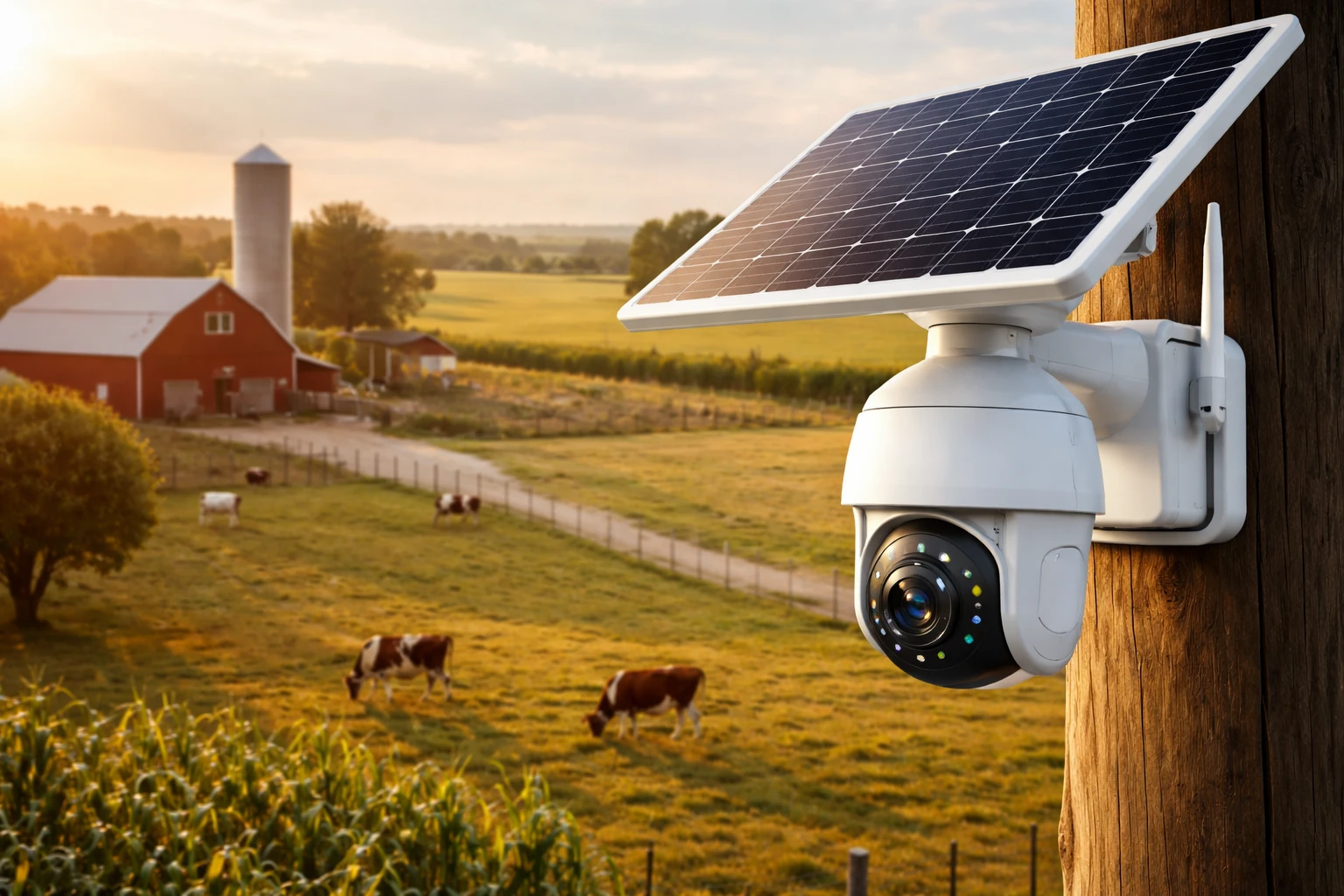
Out on a farm, distance is both a blessing and a risk. Wide open land gives you freedom—but it also creates blind spots. Equipment disappears. Livestock gets spooked. Trespassers slip in unnoticed. That’s exactly why Solar Cameras for Farms matters right now.
I’ve seen it firsthand. A single missing tractor attachment can cost thousands. A night of unchecked livestock movement can lead to serious losses. And the frustrating part? Most of it happens when no one’s watching.
That’s where solar cameras step in. Smart. Self-powered. Built for places where power lines don’t reach.
This Solar Cameras for Farms will walk you through everything—how they work, where to install them, what features actually matter, and how to get the most out of your setup. No fluff. Just practical, field-tested insight.
What Are Solar Cameras for Farms?
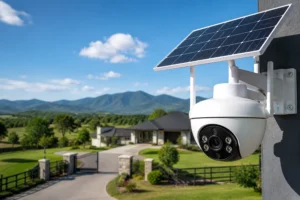
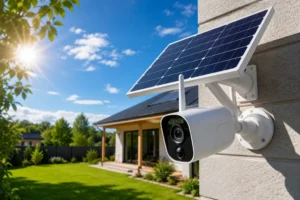
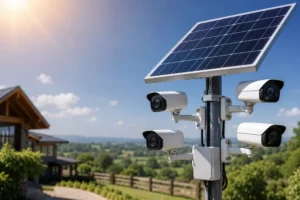
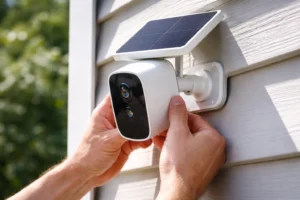
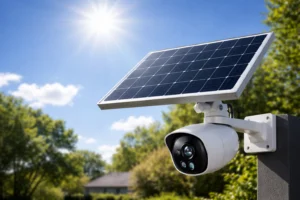
Solar cameras are exactly what they sound like—security cameras powered by sunlight. But don’t underestimate them. These aren’t basic gadgets. They’re purpose-built systems designed for remote environments.
Here’s how they come together:
- Solar Panel – Captures sunlight and converts it into energy
- Rechargeable Battery – Stores power for night and cloudy days
- Camera Unit – Records video, detects motion, and sends alerts
- Connectivity Module – Uses WiFi or 4G/LTE to transmit footage
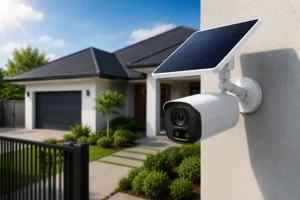
Unlike traditional CCTV systems, solar cameras don’t rely on constant electricity or complicated wiring. That’s a game changer for farms.
Why Farms Need Solar Security Cameras
Let’s keep it real. Farms are harder to secure than homes or offices. The scale alone makes it tricky.
Here’s why solar cameras are quickly becoming essential:
- No Grid Required
Perfect for remote fields, barns, and perimeter zones. - Flexible Placement
Move cameras as your farm layout changes. No rewiring headaches. - Lower Long-Term Costs
No electricity bills. Minimal maintenance. - Fast Setup
You can install most units in under an hour. - Scalable Coverage
Start with a few cameras. Expand as needed.
If you’re managing acres of land, this isn’t optional anymore. It’s strategic.
Key Features to Look For in Farm Solar Cameras
Not all solar cameras are created equal. Some look good on paper but fail in real farm conditions.
Let’s break down what actually matters.
Battery Life and Solar Efficiency
This is the backbone of your system.
Look for:
- High-capacity batteries (10,000mAh or more)
- Efficient solar panels that charge even in low light
A weak battery means downtime. And downtime means vulnerability.
Night Vision Capabilities
Farms don’t sleep. Your cameras shouldn’t either.
Choose between:
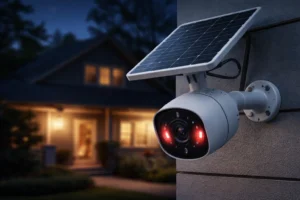
- Infrared Night Vision – Reliable, works in complete darkness
- Color Night Vision – More detail, requires minimal ambient light
If you’re monitoring livestock, clarity at night is critical.
Motion Detection and Alerts
Modern cameras go beyond simple motion detection.
Look for:
- AI-powered human detection
- Animal recognition
- Instant mobile alerts
This cuts down false alarms. No more notifications every time the wind moves a branch.
Weatherproof Durability
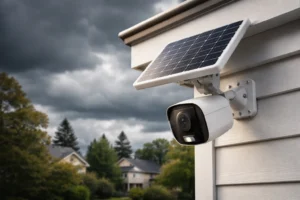
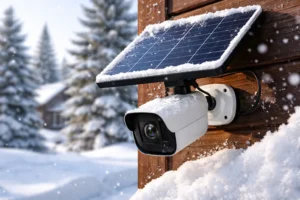
Your cameras will face heat, rain, dust, and wind. They need to survive all of it.
Minimum standard:
- IP65 rating (water and dust resistant)
Better:
- IP67 rating (more rugged, long-term durability)
Don’t compromise here. Farm conditions are unforgiving.
Storage Options
You’ve got two main choices:
| Storage Type | Pros | Cons |
| Cloud Storage | Remote access, safer backups | Monthly fees |
| SD Card | No subscription, local storage | Risk of loss or damage |
Many farmers use both. It’s a smart move.
Connectivity Options
This depends on your farm setup.
- WiFi Cameras – Best near buildings
- 4G/LTE Cameras – Ideal for remote areas
If your signal is weak, consider adding an external antenna.
Best Places to Install Solar Cameras on a Farm
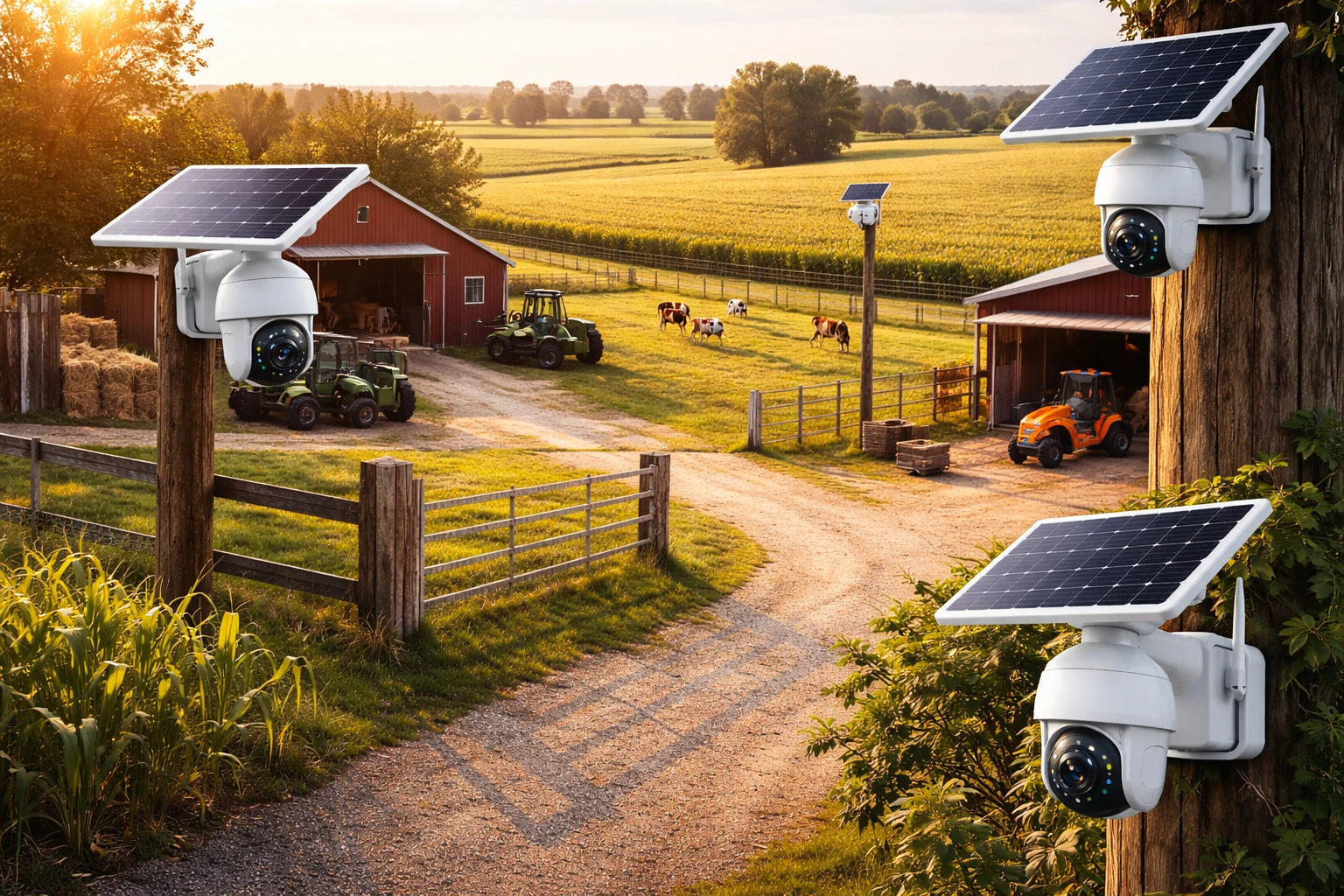
Placement makes or breaks your security system.
Focus on these high-impact zones:
- Entry Gates
First line of defense. Capture every vehicle and visitor. - Barns and Livestock Areas
Monitor animal activity and detect disturbances early. - Equipment Storage
Tractors, tools, and machinery are prime targets. - Perimeter Fencing
Spot intrusions before they reach critical areas. - Fields and Irrigation Systems
Protect crops and infrastructure.
Pro Tip:
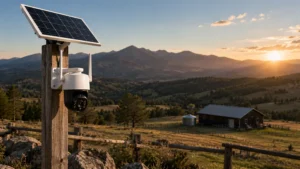
Mount cameras at 8–12 feet high. Angle them slightly downward. Always ensure the solar panel gets direct sunlight.
Step-by-Step Installation Guide
Installing solar cameras is surprisingly straightforward. Here’s a clean process:
- Pick the Right Location
Prioritize sunlight and visibility. - Mount the Camera and Panel
Secure them firmly. Wind and weather matter. - Connect to the App
Most systems use mobile apps for setup. - Test the Feed
Check angles, clarity, and alerts. - Adjust and Optimize
Fine-tune positioning for maximum coverage.
Common Mistakes to Avoid:
- Placing cameras in shaded areas
- Ignoring signal strength
- Mounting too low (easy to tamper with)
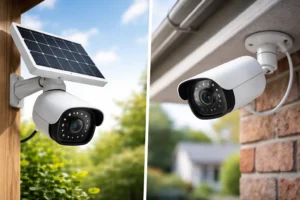
Solar Cameras vs Wired Security Systems
Let’s compare them head-to-head.
| Feature | Solar Cameras | Wired Systems |
| Installation | Quick, simple | Complex, time-consuming |
| Power Source | Solar | Electricity |
| Flexibility | High | Limited |
| Cost Over Time | Lower | Higher |
| Best For | Farms, remote areas | Homes, offices |
For farms, solar wins. Every time.
Real-World Use Cases for Farms
This is where solar cameras shine.
- Preventing Equipment Theft
Monitor high-value assets 24/7. - Livestock Monitoring
Check on animals without physically being there. - Worker Oversight
Ensure tasks are completed efficiently. - Wildlife Detection
Identify predators before they cause damage. - Remote Management
Run your farm even when you’re miles away.
That’s not just convenience. That’s control.
Challenges and Limitations to Consider
No system is perfect. Solar cameras have limits.
- Cloudy Weather Impact
Reduced charging efficiency. - Connectivity Issues
Weak signals can delay alerts. - Battery Degradation Over Time
Performance drops after years of use. - Upfront Cost
Higher initial investment compared to basic cameras.
Still, most of these are manageable with the right setup.
Tips to Maximize Solar Camera Performance
Want your system to run flawlessly? Do this.
- Position Panels for Maximum Sunlight
South-facing angles work best in most regions. - Clean Panels Regularly
Dust reduces efficiency. - Update Firmware
Keeps features and security up to date. - Use Signal Boosters
Improve connectivity in weak areas. - Have a Backup Plan
Extra batteries or hybrid systems can help.
Small adjustments. Big results.
Are Solar Cameras Worth It for Farms?
Short answer? Yes.
Long answer? Let’s break it down.
Solar cameras offer:
- Independence from power lines
- Reliable surveillance in remote areas
- Long-term savings
- Scalable security
For small farms, they provide peace of mind.
For large operations, they’re essential infrastructure.
When you weigh the cost of theft, damage, or loss, the return on investment becomes obvious.
Conclusion: Smarter, Safer Farms Start Here
Farm security isn’t just about reacting to problems. It’s about preventing them.
And that’s exactly what this Solar Cameras for Farms is all about—helping you stay ahead.
Solar cameras give you visibility. Control. Confidence.
They work quietly in the background while you focus on running your farm.
If you’ve been putting off upgrading your security, now’s the time. Start small if you need to. Build as you go.
Because a farm that’s protected is a farm that thrives.
FAQs
Yes, most solar cameras store energy in built-in batteries, allowing them to operate for several days without direct sunlight.
Battery life typically ranges from 1–7 days without sunlight, depending on capacity and usage.
Yes, especially when using multiple units with 4G/LTE connectivity for wide and remote coverage.
Not always—many models use 4G/LTE, making them ideal for farms without WiFi access.
No, most are designed for easy DIY installation and can be set up in under an hour.
Yes, many modern cameras use AI to distinguish between humans, animals, and other motion triggers.
Yes, high-quality models come with weatherproof ratings like IP65 or IP67 for outdoor durability.
The camera will shut off temporarily but will resume operation once the battery recharges from sunlight.
No, but it’s recommended for backup and remote access in case local storage is damaged or stolen.
It depends on your farm size and layout, but most setups start with key areas like gates, barns, and equipment zones.