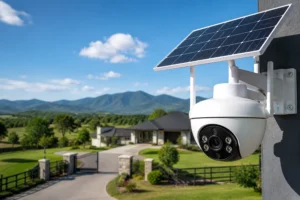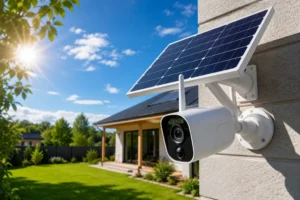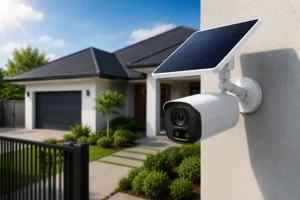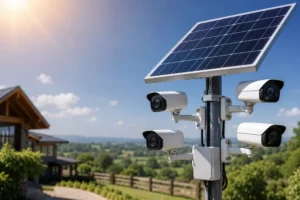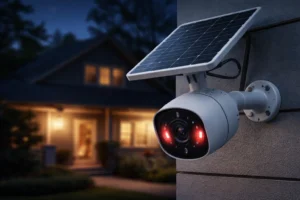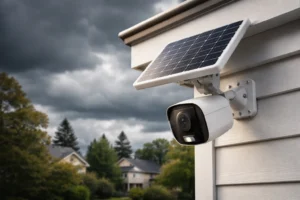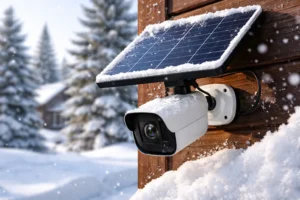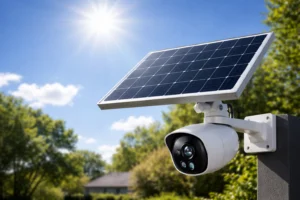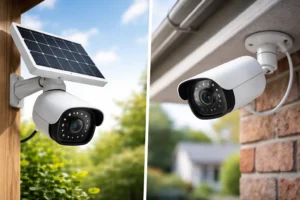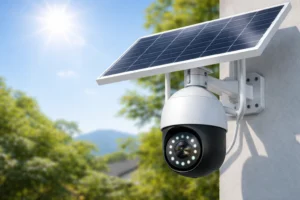
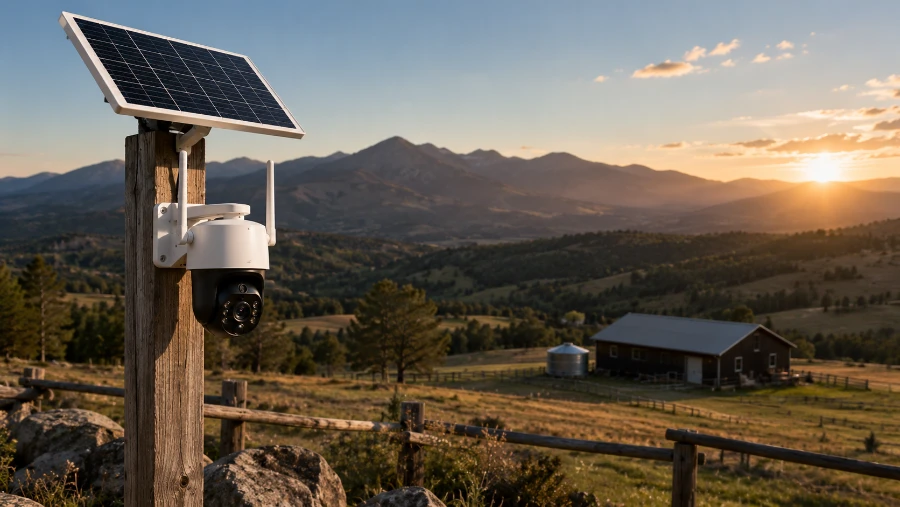
A solar CCTV camera with SIM card is changing how people think about security. Fast. You no longer need to rely on nearby power outlets, complex wiring, or even Wi-Fi to monitor property effectively. That changes everything for remote locations, construction sites, farms, vacation homes, parking lots, and temporary setups where traditional security systems struggle.
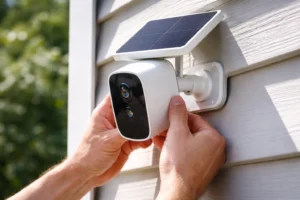
The appeal is obvious the moment you see one in action. Mount the camera. Insert the SIM card. Let the sun handle the charging. Open the mobile app. You’re live.
Simple.
But choosing the right setup takes more than buying the first camera you see online. Performance varies wildly between models, carriers, battery systems, and solar efficiency. Some systems work beautifully for years. Others fail after a few cloudy days or struggle with weak cellular signals.
That’s why understanding how a solar CCTV camera with SIM card actually works matters before spending money.
Why These Cameras Are Growing So Fast
Traditional security systems still work well in homes and offices with stable internet and electrical infrastructure. But modern security needs have changed.
People want flexibility now.
They want cameras that can move with projects, monitor isolated areas, and continue working during internet outages or power interruptions. A solar CCTV camera with SIM card delivers exactly that.
Here’s where demand is exploding:
- Construction projects
- Agricultural properties
- Rural land monitoring
- Outdoor storage yards
- RV and trailer security
- Boat docks and marinas
- Temporary events
- Off-grid cabins
- Remote gates and entrances
In many of these places, running electrical wiring alone can cost more than the camera system itself.
That’s a major shift.
How a Solar CCTV Camera With SIM Card Works
The concept sounds advanced, but the system itself is fairly straightforward.
Three core components make everything possible:
| Component | Purpose |
| Solar Panel | Charges the internal battery |
| Rechargeable Battery | Powers the camera day and night |
| SIM Card | Connects the camera to cellular data |
Instead of relying on home Wi-Fi, the camera uses mobile data through a 4G LTE or 5G network. It communicates directly with an app on your phone.
Think of it like a smartphone with a lens attached to it.
Cellular cameras transmit data wirelessly through portions of the electromagnetic spectrum, allowing remote communication without traditional internet infrastructure.
The solar panel continuously replenishes battery power during daylight hours. Efficient models enter low-power standby mode until motion is detected, dramatically extending runtime.
That efficiency matters more than most buyers realize.
The Biggest Advantage: True Wireless Security
Many “wireless” cameras still require nearby electricity. Others require Wi-Fi. Some need both.
A true solar CCTV camera with SIM card eliminates nearly every infrastructure dependency.
No electrical outlet.
No router.
with no network cables.
and no trenching wires across a property.
That flexibility creates opportunities traditional systems simply cannot match.
I’ve seen people secure isolated gates half a mile from the nearest building. Others mount cameras on trailers, shipping containers, barns, or temporary construction fencing. Some even use them during outdoor festivals and pop-up events.
Try doing that easily with a wired DVR system!
Remote Locations Become Easy to Monitor
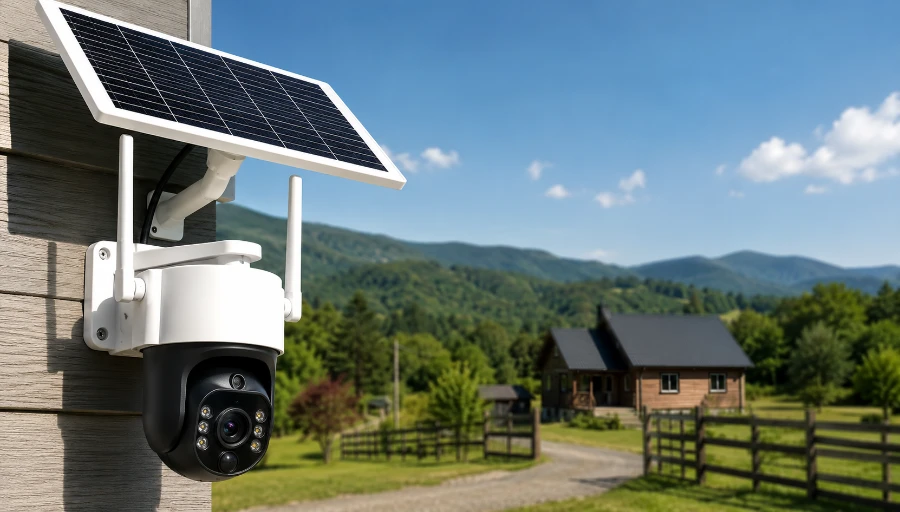
This is where these systems really shine.
Remote monitoring used to be expensive and complicated. Not anymore.
A solar CCTV camera with SIM card can monitor:
- Livestock areas
- Equipment yards
- Fuel storage tanks
- Hunting property
- Solar farms
- Isolated warehouses
- Vacation homes
- Forest entrances
- Utility infrastructure
For farms especially, this technology is a game changer. Farmers can monitor gates, water systems, feed storage, and equipment yards without building network infrastructure across hundreds of acres.
That saves money immediately.
Key Features That Actually Matter
Some manufacturers overload product pages with marketing fluff. Ignore most of it.
Focus on features that directly affect real-world performance.
Video Resolution
Resolution affects image clarity, storage usage, and data consumption.
Here’s a practical breakdown:
| Resolution | Best For |
| 1080p | General monitoring |
| 2K | Better facial detail |
| 4K | Large properties and zooming |
For most users, 2K hits the sweet spot. Clear enough for identification without overwhelming storage and data usage.
Night Vision Quality
Night performance separates good cameras from disappointing ones.
Look for:
- Infrared night vision
- Color night vision
- Spotlight-assisted imaging
- Long-range visibility
A poor night camera creates blurry footage when you need evidence most.
That’s a serious problem.
Motion Detection Accuracy
Cheap systems trigger alerts constantly.
Moving leaves. Rain. Insects. Shadows.
It becomes exhausting.
Modern AI-powered motion detection dramatically improves alert quality by identifying:
- Humans
- Vehicles
- Animals
That reduces false notifications and saves battery life.
Weather Resistance
Outdoor cameras live hard lives.
Rain, heat, dust, humidity, snow, and direct sunlight all matter.
Look for at least:
- IP65 rating minimum
- UV-resistant housing
- Wide operating temperature range
A solar CCTV camera with SIM card installed in direct summer heat needs durable construction. Otherwise battery performance drops fast.
SIM Card Selection Matters More Than People Think
This part is often overlooked.
The camera itself may be excellent, but poor cellular coverage can ruin the experience completely.
Before buying, check carrier signal strength at the installation location.
Seriously. Do this first.
Questions to Ask Before Choosing a Carrier
- Which carrier has strongest rural coverage?
- Is 4G LTE reliable in the area?
- Is 5G available?
- Are prepaid plans supported?
- How expensive is monthly data?
Many cameras support multiple carriers, giving users flexibility.
That’s a huge advantage.
How Much Data Does a Solar CCTV Camera With SIM Card Use?
Data consumption depends heavily on settings.
Live streaming constantly uses far more data than motion-triggered recording.
Here’s a rough estimate:
| Usage Type | Monthly Data Estimate |
| Motion-only recording | 2GB–10GB |
| Frequent live viewing | 10GB–30GB |
| Continuous recording | 50GB+ |
Most users should avoid continuous recording unless absolutely necessary.
Motion-triggered recording is smarter, cheaper, and far more battery efficient.
Best Places to Install These Cameras
Placement changes everything.
Even the best solar CCTV camera with SIM card performs poorly if installed incorrectly.
Ideal Installation Locations
Entry Gates
Capture vehicles entering and leaving.
Elevated Corners
Increase visibility while reducing tampering risk.
Equipment Storage Areas
Protect valuable machinery and tools.
Detached Buildings
Monitor barns, sheds, workshops, and garages.
Parking Lots
Watch over vehicles and deliveries.
Solar Panel Placement Is Critical
Poor sunlight exposure creates charging problems quickly.
A few important guidelines:
- Face the panel toward strongest sunlight exposure
- Avoid shade from trees or buildings
- Tilt panel appropriately for your region
- Clean debris and dust regularly
Even partial shading can dramatically reduce charging efficiency.
That surprises many first-time users.
Common Problems and How to Avoid Them
No system is perfect. But most issues are preventable.
Weak Cellular Signal
Symptoms include:
- Delayed notifications
- Failed live streams
- Offline cameras
Solutions:
- Relocate the camera higher
- Use a stronger carrier
- Add external antenna support if available
Fast Battery Drain
Usually caused by:
- Excessive motion alerts
- Poor solar exposure
- Cold weather
- Continuous live streaming
Reducing unnecessary recordings often solves the issue immediately.
Storage Filling Too Quickly
High-resolution video consumes storage fast.
Better strategies include:
- Motion-only recording
- Scheduled recording windows
- Lower resolution for secondary cameras
Solar CCTV Camera With SIM Card vs Wi-Fi Cameras
This comparison helps buyers understand the tradeoffs.
| Feature | Solar SIM Camera | Wi-Fi Camera |
| Internet Source | Cellular Network | Wi-Fi Router |
| Power Source | Solar + Battery | Usually Wired |
| Remote Area Use | Excellent | Limited |
| Portability | Very High | Moderate |
| Monthly Fees | SIM Data Plan | Usually None |
| Installation Difficulty | Low | Moderate |
Wi-Fi cameras still work well for homes with stable internet. But for off-grid monitoring, solar cellular systems dominate.
There’s really no contest there.
Construction Sites Are One of the Best Use Cases
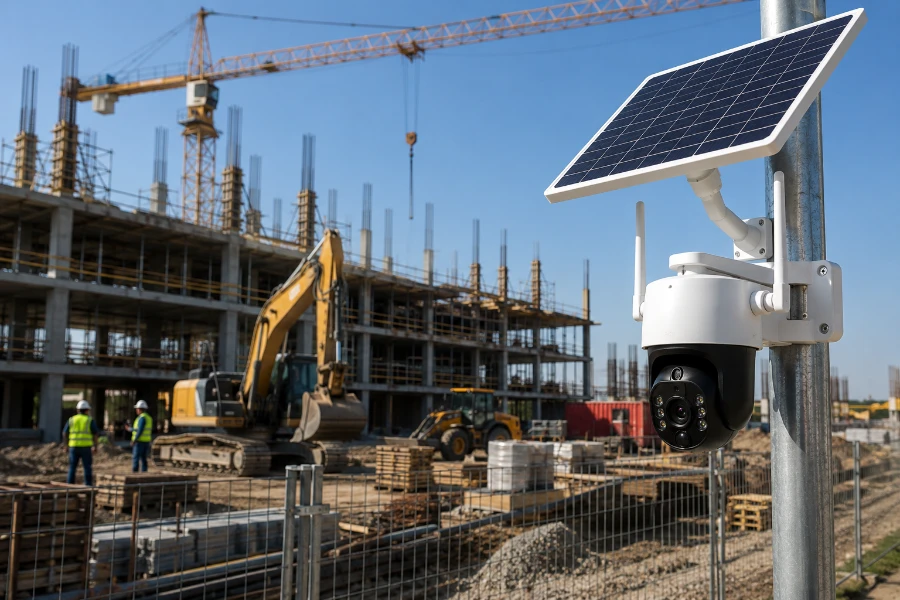
Construction theft is expensive.
Really expensive.
Tools, copper wiring, fuel, generators, and machinery are constant targets. Traditional systems often fail because projects lack permanent power and internet during early phases.
That’s where a solar CCTV camera with SIM card becomes incredibly effective.
Teams can deploy surveillance within hours instead of waiting weeks for infrastructure installation.
And because these systems are portable, they move easily as the project evolves.
Vacation Homes Benefit Enormously
Second homes sit empty for long stretches.
That creates vulnerability.
A solar CCTV camera with SIM card lets owners check conditions remotely anytime. Storm damage, trespassing, wildlife activity, or unauthorized visitors become visible immediately.
Some owners even monitor:
- Driveways
- Boat docks
- Pools
- Detached garages
- Utility rooms
The peace of mind alone makes the investment worthwhile for many people.
Security and Privacy Still Matter
Wireless convenience should never mean weak security.
Strong systems now include:
- End-to-end encryption
- Two-factor authentication
- Password protection
- Firmware updates
- Secure cloud storage
Users should also follow modern cybersecurity recommendations from the Cybersecurity and Infrastructure Security Agency (CISA) to strengthen passwords, secure connected devices, and reduce unauthorized access risks.
Always change default passwords immediately after installation.
Always.
Ignoring that step is one of the biggest security mistakes users make.
Long-Term Costs Are Usually Lower Than Expected
At first glance, some solar systems seem expensive.
But installation savings change the math dramatically.
Consider what wired systems may require:
- Electricians
- Trenching
- Network cabling
- Wi-Fi extenders
- Pole installation
- Internet service expansion
A solar CCTV camera with SIM card often avoids all of those costs entirely.
That can save hundreds or even thousands of dollars depending on the property.
The Future Looks Even Better
This technology is improving quickly.
Battery efficiency keeps rising. Solar panels are becoming smaller and more powerful. AI detection is reducing false alerts dramatically. Cellular coverage continues expanding into rural areas.
5G will accelerate this even further.
Lower latency. Faster live streaming. Better remote responsiveness.
The next generation of solar surveillance systems will likely become even more autonomous and intelligent.
What Buyers Should Prioritize First
Before purchasing, focus on these priorities:
| Priority | Why It Matters |
| Strong cellular coverage | Prevents connectivity problems |
| Reliable battery capacity | Ensures nighttime operation |
| Efficient solar charging | Maintains uptime |
| Good night vision | Improves evidence quality |
| Smart motion detection | Reduces false alerts |
| Durable weatherproofing | Extends lifespan |
Skipping these basics often leads to frustration later.
Final Thoughts
A solar CCTV camera with SIM card solves a very specific problem brilliantly: reliable surveillance where traditional systems struggle.
That’s why adoption continues growing across industries and property types.
The flexibility is hard to ignore. No wiring. No nearby power source. and no dependence on local internet. Just intelligent, mobile-connected security powered by sunlight.
For remote monitoring, few technologies offer this much practicality with such minimal infrastructure.
And honestly, once you experience the freedom of deploying security almost anywhere, it becomes difficult to go back to traditional systems.
FAQs
A solar CCTV camera with SIM card is a wireless security camera powered by solar energy that connects to the internet using cellular mobile data instead of Wi-Fi.
Yes. These cameras use rechargeable batteries powered by attached solar panels, allowing them to operate without direct electrical wiring.
Absolutely. The SIM card provides mobile network connectivity through 4G LTE or 5G, eliminating the need for Wi-Fi access.
Most systems use between 2GB and 10GB monthly with motion-triggered recording, though heavy live streaming can increase usage significantly.
Yes. They are ideal for farms, cabins, construction sites, parking lots, and other areas where power and internet access are limited.
Most quality cameras include built-in rechargeable batteries that can continue operating for several days even with limited sunlight.
Yes. Most solar CCTV camera with SIM card systems include mobile apps that allow live viewing, playback, and motion alerts from anywhere.
Most outdoor models are weather-resistant with IP65 or higher ratings, helping them withstand rain, dust, and harsh outdoor conditions.
Not usually. Since there are no power or internet cables required, installation is often faster and simpler than traditional CCTV systems.
Focus on battery capacity, solar charging efficiency, night vision quality, weatherproof ratings, and strong cellular network compatibility in your area.