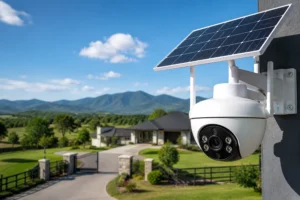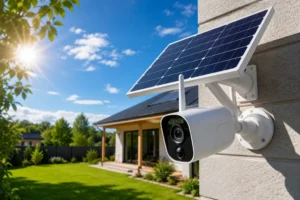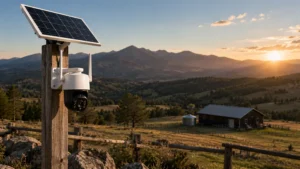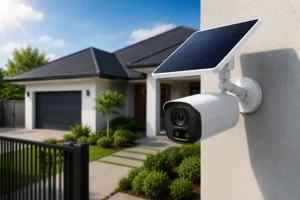
Securing a rural property is a different game entirely. Wide-open land. Fewer neighbors. Slower response times. And often—no reliable power source. That’s exactly where solar cameras for rural property step in and change everything.
I’ve seen property owners struggle with traditional security setups that simply don’t fit off-grid conditions. Wires become a burden. Power becomes a limitation. Coverage becomes incomplete. But solar-powered solutions? They flip the script. Suddenly, security becomes flexible, scalable, and—most importantly—practical.
In this guide, we’ll break down how solar cameras work, where they shine, and how to use them effectively to protect your land, equipment, and peace of mind.
Why Rural Properties Need Specialized Security
Rural properties are beautiful. They’re also vulnerable.
Unlike suburban homes, rural areas face a unique mix of challenges:
- Isolation: Fewer people nearby means fewer eyes watching your property
- Delayed response times: Law enforcement or emergency services may take longer to arrive
- Large land coverage: Multiple access points are harder to monitor
- Limited infrastructure: Power lines and internet access aren’t always reliable
Then there are the real-world risks:
- Equipment theft (tractors, tools, generators)
- Unauthorized access or trespassing
- Wildlife interference (especially in farms or ranches)
Traditional CCTV systems? They rely on wiring, stable electricity, and often fixed installation points. That’s a mismatch.
This is exactly why solar cameras for rural property are not just helpful—they’re essential.
What Are Solar Cameras for Rural Property?
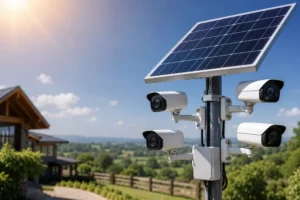
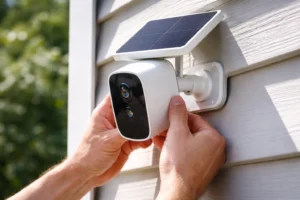
At their core, solar cameras are self-sustaining security devices designed for independence.
Each system typically includes:
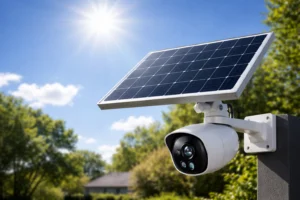
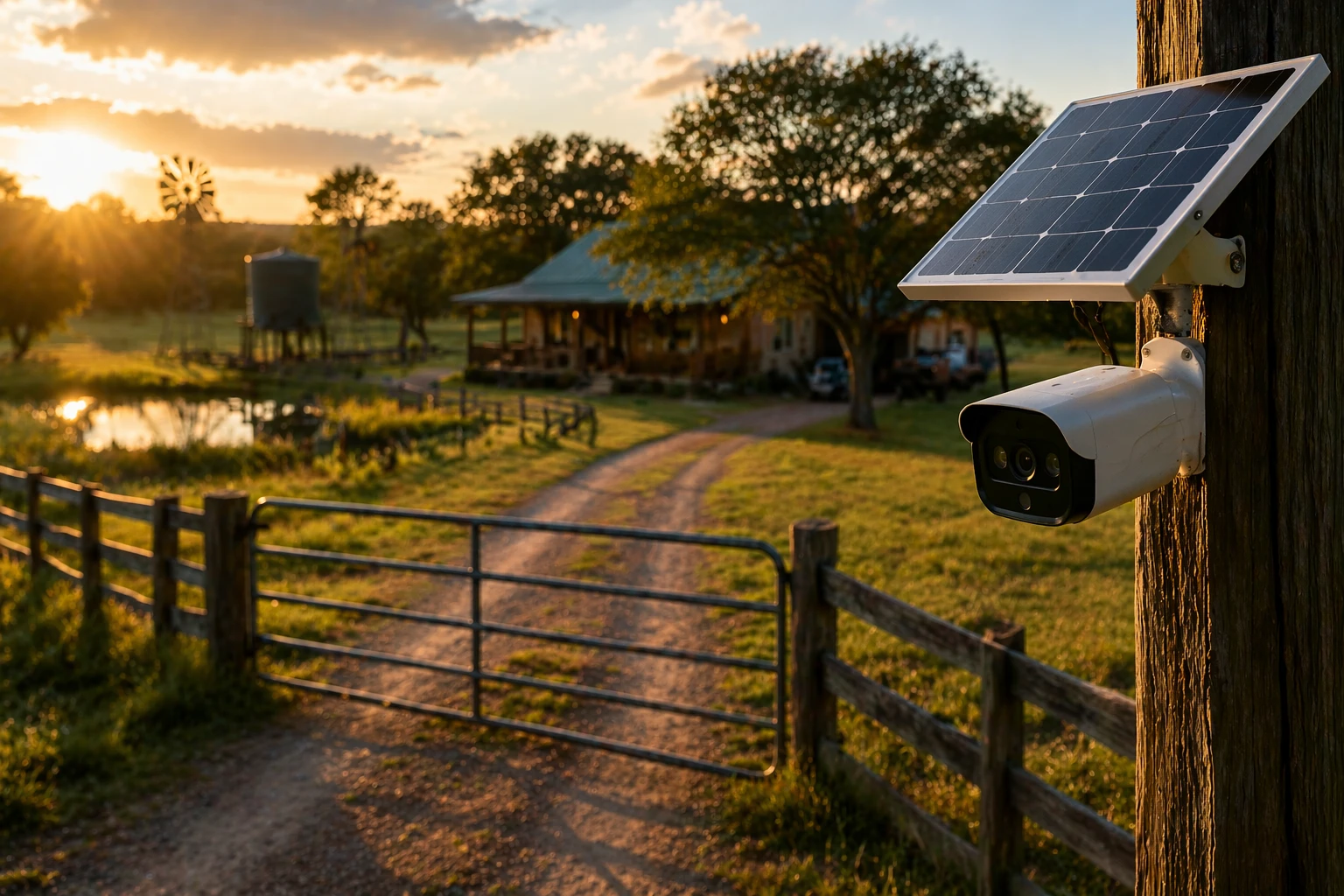
- A solar panel that captures sunlight
- A rechargeable battery that stores energy
- A camera unit with motion sensors and recording capabilities
Here’s how it works in real life:
The solar panel charges the battery during the day. That stored power keeps the camera running day and night—even when the sun goes down.
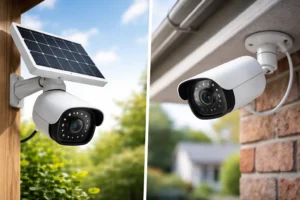
Unlike wired systems, there’s no dependence on electrical infrastructure. And unlike standard battery cameras, you’re not constantly replacing or recharging batteries.
That’s why solar cameras for rural property are ideal for off-grid environments.
Key Benefits of Solar Cameras for Rural Property
Let’s get practical. Why do these systems work so well?
1. Completely Off-Grid Operation
No electricity? No problem. Solar cameras operate independently, making them perfect for remote areas.
2. Flexible Placement
You’re not tied to power outlets. Install cameras wherever they make sense—not where wires allow.
3. Lower Long-Term Costs
No wiring. No electrician. And no monthly power costs. That adds up fast.
4. Easy Installation
Most systems are DIY-friendly. Mount it, connect it to your app, and you’re live.
5. Remote Monitoring
Check your property anytime through your phone. Whether you’re nearby or miles away.
6. Eco-Friendly
Solar energy keeps your system running without increasing your carbon footprint.
It’s a rare combination: efficient, practical, and sustainable.
Essential Features to Look For
Not all solar cameras are created equal. Here’s what actually matters.
Core Features Checklist
| Feature | Why It Matters |
| Battery Capacity | Determines how long the camera runs without sunlight |
| Night Vision | Critical for rural areas with little to no lighting |
| Motion Detection | Alerts you instantly when something moves |
| Weather Resistance | Must handle rain, dust, and heat |
| Storage Options | Local SD card vs cloud storage |
| Connectivity | WiFi or 4G/LTE depending on your setup |
| Video Quality | Clear footage for identification |
Pro Tip
If your property has unreliable WiFi, go straight for a 4G/LTE solar camera. It’s worth it.
Best Places to Install Solar Cameras on Rural Property
Placement matters more than the camera itself.
Here’s where you’ll get the most value:
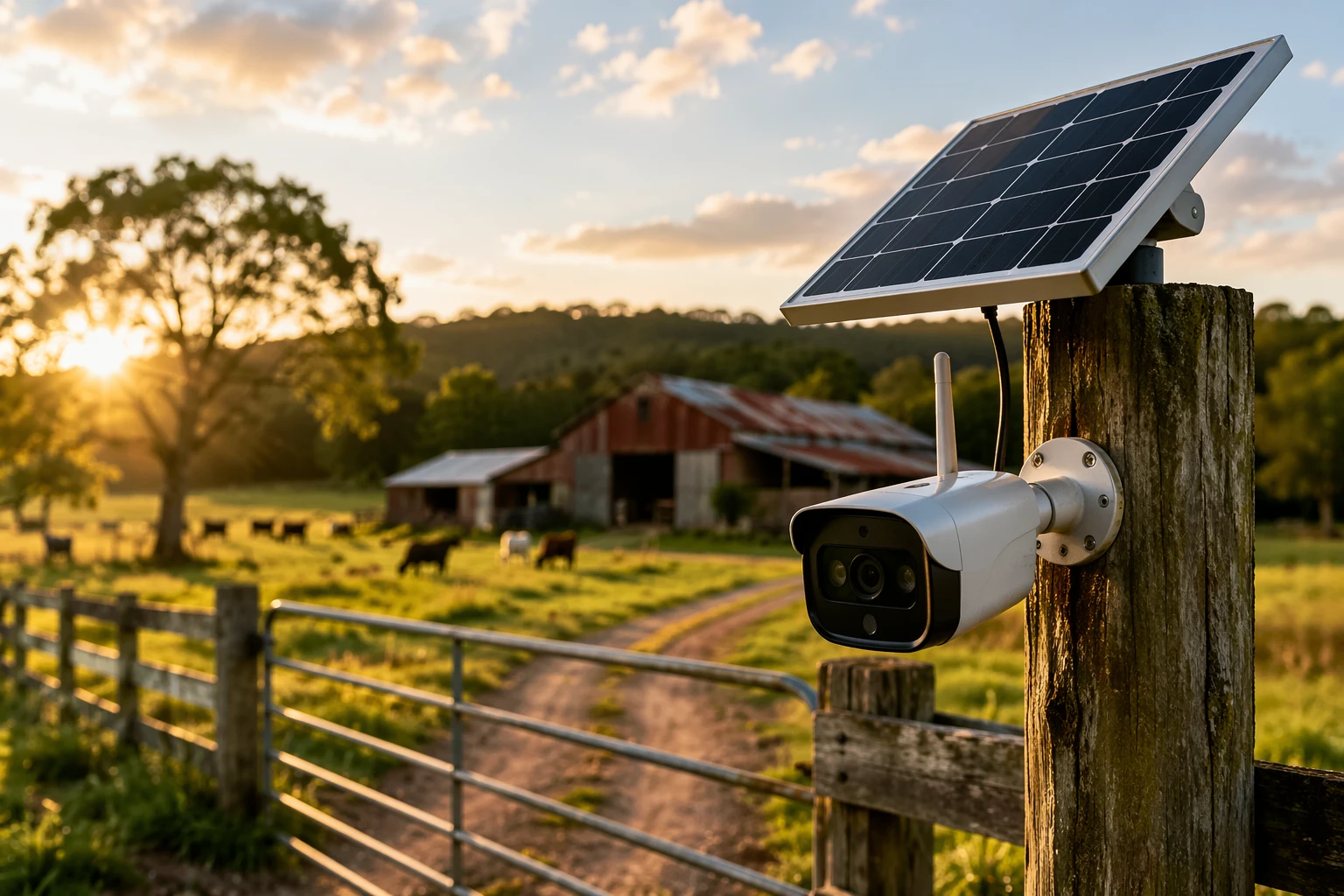
- Entry gates and driveways – Capture every arrival and departure
- Barns and storage units – Protect expensive equipment
- Livestock areas – Monitor animal safety
- Perimeter fencing – Detect early signs of intrusion
- Blind spots – Areas hidden from main structures
Think in layers. The goal isn’t just recording—it’s awareness.
How Solar Cameras Perform in Real Rural Conditions
Let’s address the big question: do they actually hold up?
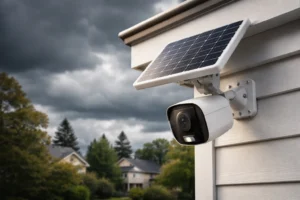
Cloudy Days
Modern systems store enough power to last several days without direct sunlight.
Nighttime
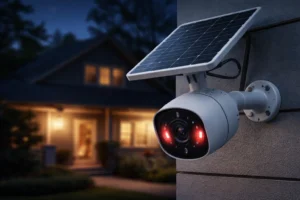
Infrared or color night vision ensures visibility even in total darkness.
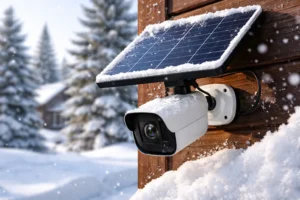
Extreme Weather
High-quality units are built to withstand:
- Heavy rain
- Dust storms
- Intense heat
Performance Tips
- Angle the solar panel toward maximum sunlight
- Avoid shaded installation spots
- Clean panels occasionally to maintain efficiency
Done right, solar cameras for rural property can run reliably year-round.
Solar Cameras Without WiFi: What Are Your Options?
No internet? You still have options.
4G/LTE Solar Cameras
These cameras use a SIM card to connect to mobile networks.
Best for:
- Remote farms
- Ranches
- Construction sites
Pros:
- Works anywhere with cellular signal
- Reliable remote access
Cons:
- Requires a data plan
WiFi Solar Cameras
Best for:
- Rural homes with internet access
Pros:
- Lower ongoing cost
- Easy integration with home networks
Cons:
- Limited range
Choose based on your environment—not convenience.
Installation Guide (Simple and Practical)
You don’t need a technician. Just a solid plan.
Step-by-Step
- Choose your location
Focus on high-risk or high-traffic areas - Position the solar panel
South-facing (in most regions) for maximum exposure - Mount the camera securely
Ensure stability and proper angle - Connect to your app or network
Follow manufacturer instructions - Test everything
Check motion alerts, video quality, and connectivity
Take your time here. Good installation equals long-term reliability.
Common Mistakes to Avoid
Even the best equipment can fail if used incorrectly.
- Installing in shaded areas
- Ignoring battery capacity
- Choosing the wrong connectivity type
- Poor camera angles
- Skipping maintenance
Simple fixes. Big impact.
Cost Breakdown and ROI
Let’s talk numbers.
Typical Costs
| Item | Estimated Cost |
| Solar Camera Unit | $100 – $400 |
| Installation | DIY (Free) |
| Data Plan (4G) | $5 – $20/month |
Why It Pays Off
- No wiring costs
- No electricity bills
- Reduced theft risk
- Increased property value
Over time, solar cameras for rural property become one of the most cost-effective security investments you can make.
Real-Life Use Cases
These systems aren’t theoretical—they’re already solving real problems.
Farms
Monitor crops, equipment, and worker activity
Remote Cabins
Keep an eye on vacation properties
Construction Sites
Prevent material theft
Ranches
Track livestock and detect predators
Large Estates
Cover areas traditional systems can’t reach
One solution. Many applications.
Are Solar Cameras for Rural Property Worth It?
Short answer? Yes.
Long answer? It depends on your setup—but in most rural scenarios, they outperform traditional systems in flexibility, cost, and ease of use.
They’re especially valuable if:
- You lack access to power
- You need coverage across large areas
- You want a low-maintenance solution
If your property fits any of those, solar cameras for rural property are not just worth it—they’re the smart move.
Conclusion
Security shouldn’t be complicated. And it definitely shouldn’t be limited by power lines or wiring.
That’s why more property owners are turning to solar cameras for rural property—because they work where other systems fail. They’re flexible. Reliable. And built for the realities of off-grid living.
If you’re serious about protecting your land, equipment, and peace of mind, this is one upgrade that delivers immediate value.
Start with one camera. Test it. Expand from there.
You’ll quickly see the difference.
FAQs
Yes, they operate using solar panels and rechargeable batteries, making them ideal for off-grid locations.
Most can run 2–5 days on stored battery power, depending on usage and battery capacity.
Not always—many models use 4G/LTE networks, which work without WiFi.
Yes, as long as the battery is fully charged, they continue operating even during extended cloudy periods.
Absolutely, most come with infrared or color night vision for clear footage in low light.
Installation is usually simple and DIY-friendly, requiring basic mounting and app setup.
Focus on entry points, storage areas, livestock zones, and perimeter fences for maximum coverage.
Minimal maintenance is needed—just keep the solar panel clean and check battery performance occasionally.
Most modern systems include encryption and app-based security, but using strong passwords is essential.
Yes, they offer cost-effective, flexible, and reliable security for remote and off-grid environments.