Security on the road isn’t optional anymore—it’s essential. When your home has wheels, every stop becomes a new environment, and every environment brings unknowns. That’s exactly why solar cameras for rvs are gaining serious traction among modern travelers. They’re simple, wireless, and built for the kind of freedom RV life demands.
I’ve seen it firsthand. RV owners want peace of mind without drilling holes, running wires, or relying on campground electricity. They want something that works quietly in the background. Something dependable. That’s where solar-powered security steps in.
In this guide, we’ll break down the best solar cameras for RVs and campers, what features actually matter, how to install them, and how to make them work at their best—no fluff, just real value.
What Are Solar Cameras for RVs?
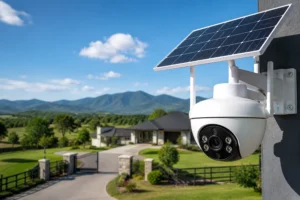
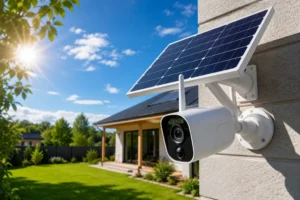
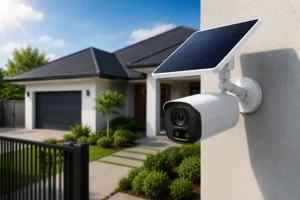
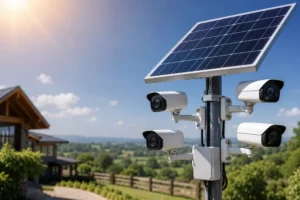
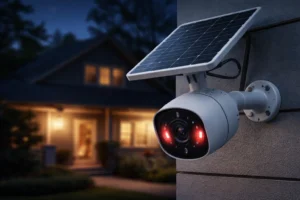
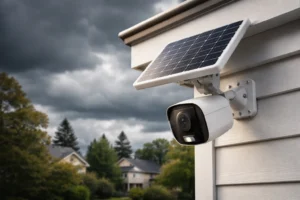
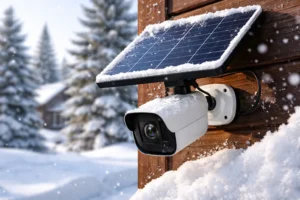
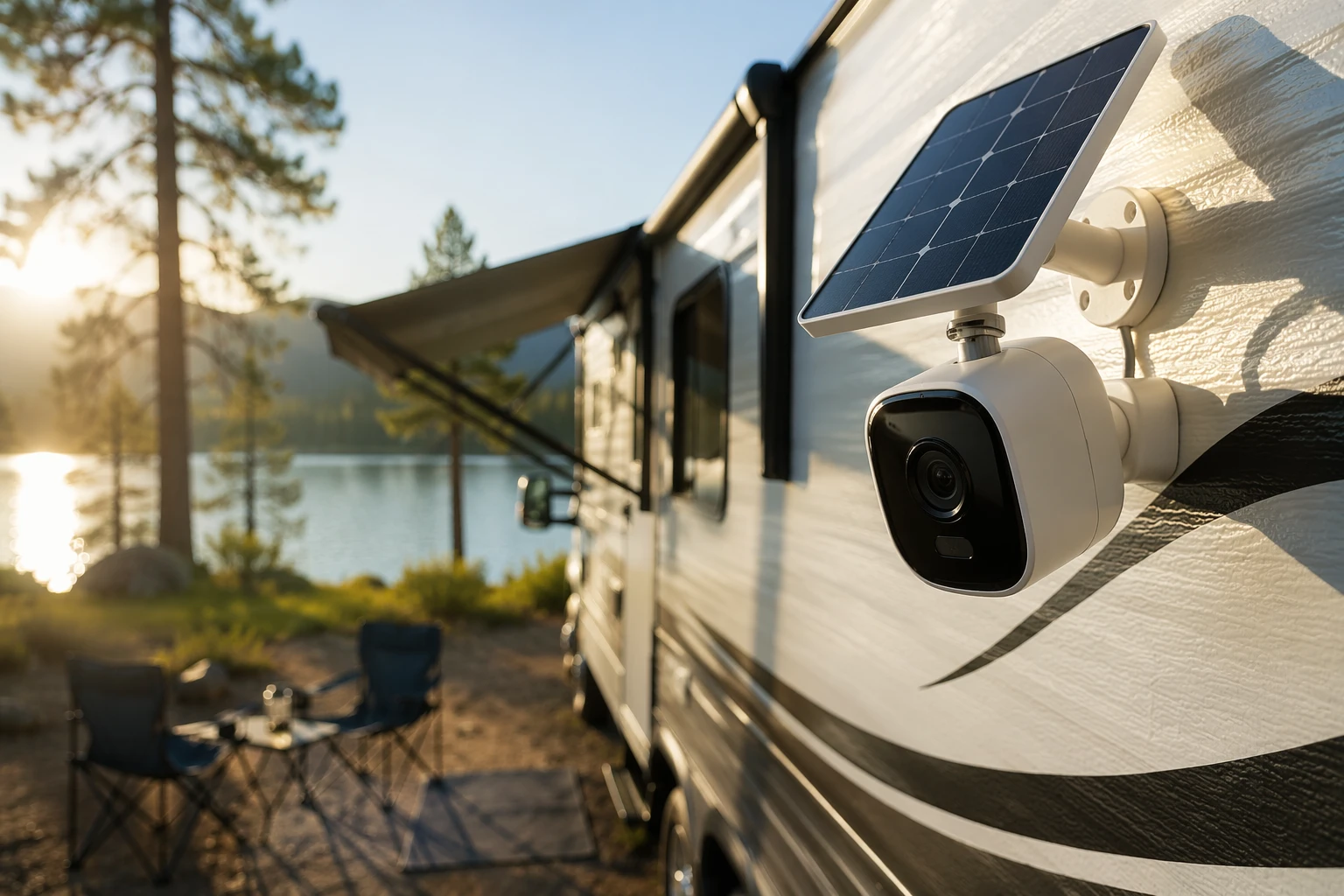
Let’s keep it simple. Solar cameras are security cameras powered by sunlight. A small solar panel charges a built-in battery, which keeps the camera running day and night.
No wiring. No outlets. And no problem.
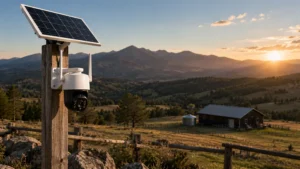
For RV owners, this setup makes perfect sense. You’re not always plugged into shore power. Sometimes you’re deep in a forest. Sometimes you’re parked overnight in a busy lot. Either way, solar cameras for rvs give you consistent monitoring without depending on external power sources.
They typically include:
- A solar panel (attached or separate)
- Rechargeable battery
- Wireless connectivity (WiFi or LTE)
- Motion detection and recording
That’s it. Clean, efficient, and built for mobility.
Why RV Owners Are Switching to Solar Cameras
There’s a clear shift happening. More RVers are ditching traditional systems and going solar. Here’s why.
No Wiring Required
Forget complicated installations. Solar cameras are usually mount-and-go. No cables running through walls. No drilling nightmares.
Off-Grid Ready
Camping in remote areas? No issue. Many solar cameras for rvs work with LTE, meaning they don’t rely on WiFi at all.
Easy to Move
Switching rigs or upgrading your setup? Just take the camera with you. It’s not permanently tied to anything.
Long-Term Savings
No electrician. No extra power usage. Once installed, it quietly runs on sunlight.
Always-On Security
Whether you’re hiking, sleeping, or away for days, your RV stays monitored.
Key Features to Look for in Solar Cameras for RVs
Not all cameras are created equal. Some look great on paper but struggle in real-world RV conditions. Focus on these essentials.
Battery Capacity & Solar Efficiency
You want a camera that keeps running—even on cloudy days.
Look for:
- High-capacity batteries (at least 5,000mAh)
- Efficient solar panels that charge quickly
- Power-saving modes
Video Quality
Grainy footage won’t help you identify anything.
Go for:
- Minimum 1080p resolution
- 2K or 4MP if possible
- Clear night vision (infrared or color)
Connectivity Options
This is big.
- WiFi cameras: Great for campgrounds
- 4G/LTE cameras: Best for off-grid adventures
If you travel often, LTE-enabled solar cameras for rvs are worth every penny.
Motion Detection & Alerts
Smart detection saves battery and storage.
Look for:
- Human detection (not just movement)
- Real-time mobile alerts
- Adjustable sensitivity
Storage Options
You’ll need somewhere to store footage.
- SD card: One-time cost, local storage
- Cloud storage: Remote access, often subscription-based
Weather Resistance
Your camera will face sun, rain, dust, and wind.
Minimum requirement:
- IP65 or higher weather rating
Best Solar Cameras for RVs and Campers
Let’s get into the good stuff. These are solid, proven options that perform well in RV environments.
Best Overall: Reolink Argus 3 Pro
A balanced powerhouse.
Why it stands out:
- 2K resolution
- Color night vision
- Rechargeable battery with solar panel support
- Smart motion detection
Pros:
- Excellent video clarity
- Reliable app
- Easy installation
Cons:
- WiFi dependent (no LTE)
Perfect for RVers who stay in connected areas but still want solar flexibility.
Best Budget Option: Eufy SoloCam S220
Affordable, but surprisingly capable.
Why it works:
- Built-in solar panel
- No monthly fees
- Local storage
Pros:
- Budget-friendly
- Simple setup
- No subscription needed
Cons:
- Limited advanced features
Great for beginners testing out solar cameras for rvs without spending too much.
Best for Remote Camping: Reolink Go Plus
No WiFi? No problem.
Why it’s ideal:
- 4G LTE connectivity
- Works anywhere with signal
- Strong battery performance
Pros:
- True off-grid capability
- Flexible placement
- Reliable alerts
Cons:
- Requires SIM/data plan
If you love remote camping, this is the kind of camera you want watching your back.
Best for Night Monitoring: Arlo Go 2
Security doesn’t stop when the sun goes down.
Why it shines:
- Advanced night vision
- LTE + WiFi support
- High-quality video
Pros:
- Excellent low-light performance
- Dual connectivity
- Premium build
Cons:
- Higher price point
Ideal for overnight security in unfamiliar areas.
Best Compact Option: Blink Outdoor (Solar Panel Bundle)
Small but effective.
Why it works:
- Lightweight design
- Long battery life
- Optional solar panel
Pros:
- Easy to mount anywhere
- Compact footprint
- Good battery efficiency
Cons:
- Basic features
Great for discreet placement around your RV.
How to Install Solar Cameras on an RV
Installation is easier than most people expect. Still, a few smart decisions make a big difference.
Best Mounting Locations
- Roof edges for wide coverage
- Rear area for parking visibility
- Entry doors for access monitoring
Angle Matters
Position the solar panel where it gets maximum sunlight. Tilt it slightly toward the sun’s path.
Avoid Obstructions
Shadows kill charging efficiency. Keep panels clear of vents, antennas, or racks.
Quick Installation Tips
- Use strong adhesive mounts or screws
- Test camera view before final placement
- Secure cables (if using external panels)
Best Places to Install Solar Cameras on a Camper or RV
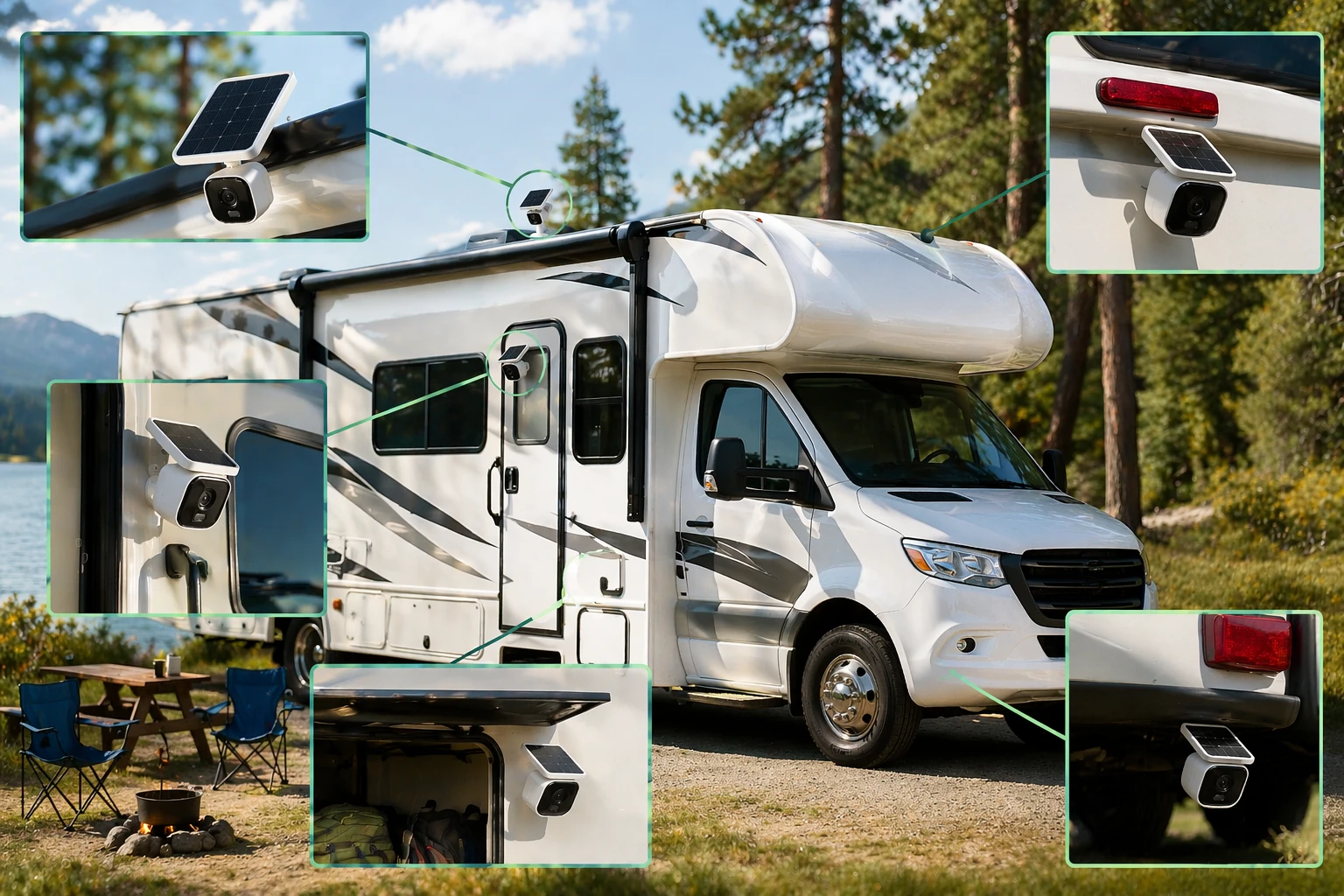
Placement defines effectiveness. Get this right.
Entry Points
Doors and windows should always be covered.
Storage Bays
Protect valuable gear stored underneath.
Roof View
A higher angle gives broader visibility.
Rear Camera
Helpful for both security and parking assistance.
Solar Cameras for RVs vs Traditional Security Cameras
Here’s a quick comparison:
| Feature | Solar Cameras | Wired Cameras |
| Power Source | Solar | Electricity |
| Installation | Easy | Complex |
| Portability | High | Low |
| Ideal Use | RVs/Camping | Homes |
| Flexibility | Excellent | Limited |
For RV living, the choice is obvious. Solar cameras for rvs win on flexibility alone.
Common Challenges (and How to Fix Them)
Even the best systems have quirks. Here’s how to handle them.
Limited Sunlight
Fix: Adjust panel angle or move to a sunnier spot.
Weak Signal
Fix: Switch to LTE cameras or use signal boosters.
Battery Drain
Fix: Lower motion sensitivity and recording frequency.
Harsh Weather
Fix: Choose higher IP-rated cameras and secure mounting.
Tips to Maximize Solar Camera Performance
Small tweaks can make a big difference.
- Clean solar panels regularly
- Update firmware through the app
- Use motion zones to reduce unnecessary alerts
- Place cameras strategically—not randomly
Think of it like tuning your setup. A few adjustments, and everything runs smoother.
Are Solar Cameras for RVs Worth It?
Short answer? Yes.
Long answer? Absolutely.
If you travel often, park in different places, or spend time off-grid, solar cameras for rvs offer unmatched convenience and peace of mind. They’re not just a luxury anymore—they’re becoming part of a smart RV setup.
You protect your space. You stay informed. And you do it without adding complexity.
That’s a win.
Conclusion
Life on the road is freeing. But freedom shouldn’t come at the cost of security.
Solar cameras for rvs give you a simple, effective way to monitor your space wherever you go. No wires. No stress. Just reliable protection powered by the sun.
Choose the right camera. Install it smartly. Optimize its performance.
Then relax—and enjoy the journey.
FAQs
Yes, they rely on stored battery power and include night vision to monitor your RV even in complete darkness.
Yes, LTE-enabled models use cellular data, making them perfect for off-grid camping.
Most last several days to weeks on a full charge, depending on usage and sunlight exposure.
They still work using stored battery power, though performance improves with consistent sunlight.
Yes, most are designed for easy DIY installation with minimal tools required.
Very little—just occasional cleaning of the solar panel and checking for firmware updates.
High points like the roof or near entry doors offer the best coverage and sunlight exposure.
Most are weather-resistant with IP65 or higher ratings, making them suitable for outdoor RV use.
Yes, you can view live footage and receive alerts through a mobile app from anywhere.
Most record only when motion is detected to save battery and storage.