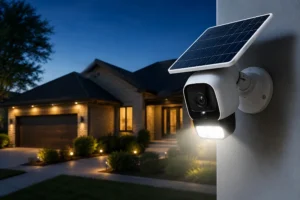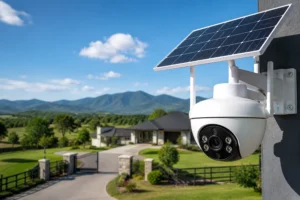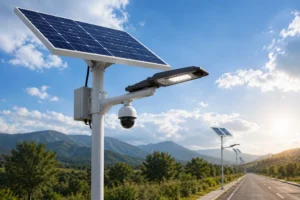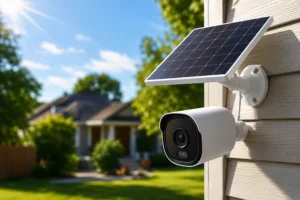
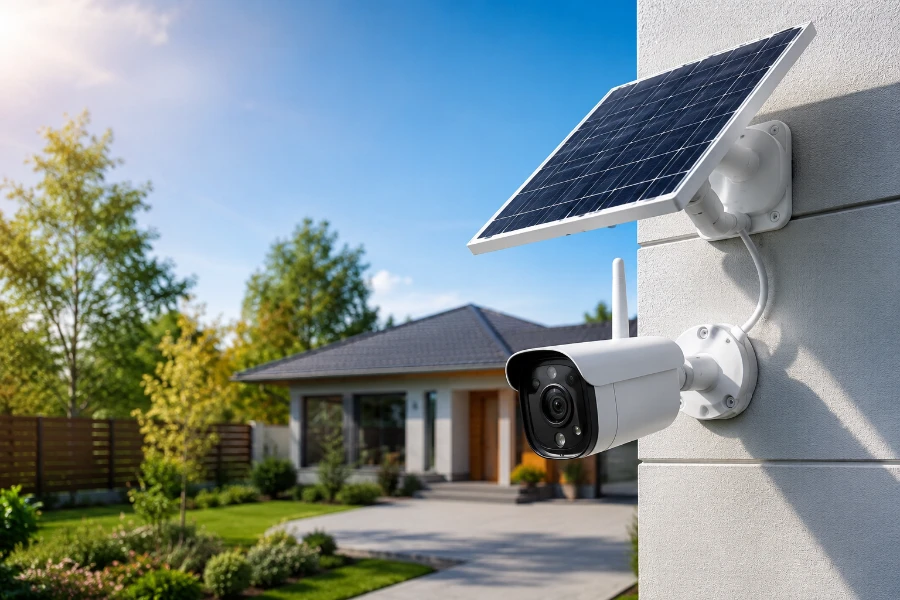
Security has changed fast over the last few years. People no longer want messy wiring, expensive installations, or systems that stop working the moment the power goes out. They want flexibility. They want reliability. Most importantly, they want a setup that works quietly in the background without becoming another thing to manage every day.
That is exactly why the best outdoor wireless security camera system solar powered setups are exploding in popularity right now.
Solar-powered security cameras solve several problems at once. They reduce installation complexity, eliminate the need for nearby power outlets, and continue running during outages. For homeowners, that means peace of mind. For businesses, it means lower maintenance costs and better flexibility across larger properties.
I’ve noticed something interesting too. Many people still assume solar security systems are only useful in remote cabins or off-grid farms. That is no longer true. Modern systems are now being installed in suburban homes, commercial parking lots, construction sites, vacation rentals, warehouses, and even urban apartment properties.
The technology has matured. And honestly, the convenience is hard to ignore.
What Is a Solar Powered Outdoor Wireless Security Camera System?
At its core, a solar-powered security system combines three major elements:
- Wireless cameras
- Rechargeable batteries
- Solar charging panels
The camera operates using stored battery power while the solar panel continuously replenishes the battery during daylight hours. This creates a largely self-sustaining system that requires very little hands-on maintenance.
Unlike traditional wired systems, these cameras do not depend heavily on electrical infrastructure. That changes everything.
You can place cameras in locations where running electrical wiring would normally cost hundreds or even thousands of dollars.
Common components usually include:
| Component | Purpose |
| Solar Panel | Charges the battery |
| Rechargeable Battery | Stores backup power |
| Wireless Connectivity | Transfers footage remotely |
| Motion Sensors | Detects activity |
| Mobile App | Allows remote viewing and alerts |
The best outdoor wireless security camera system solar powered models today also include AI-powered detection, cloud storage, night vision, and smart home integration.
That was not common just a few years ago.
Why Solar Security Cameras Are Becoming So Popular
People are tired of limitations.
Traditional wired systems often require drilling, electrical work, trenching, and expensive labor. Solar wireless cameras dramatically simplify that process.
Installation becomes faster. Expansion becomes easier. Maintenance becomes smaller.
That matters more than many buyers initially realize.
For example, imagine installing cameras around a large backyard fence line. A wired system may require underground conduit, electrical permits, and hours of installation work. A solar-powered setup? Mount the camera where sunlight is available, connect it to WiFi, and you are mostly done.
That flexibility is a huge selling point.
Another major reason is resilience during outages. Storms, blackouts, and electrical failures happen. A camera system that goes offline during those moments defeats the purpose of security in the first place.
Solar-powered systems continue operating independently. Reliable backup monitoring has become increasingly important, especially as more homeowners prepare for emergency situations using recommendations similar to the U.S. Department of Energy backup power guidance.
That is a major advantage.
The Biggest Advantages of Solar Powered Security Systems
No Electrical Wiring Needed
This is the feature most people care about first.
Wireless solar cameras eliminate the need for complicated electrical routing. That means:
- Cleaner installations
- Lower labor costs
- Faster setup times
- Easier repositioning later
It also makes these systems ideal for renters, temporary job sites, and remote locations.
Reliable During Power Outages
This benefit cannot be overstated.
A strong solar-powered system paired with quality batteries can continue functioning even when the electrical grid fails. During severe weather events, that reliability becomes incredibly valuable.
Security should not disappear when conditions get worse.
Easy Expansion Across Large Properties
Adding cameras to a wired system often becomes progressively more expensive as coverage expands.
Solar systems scale more easily.
This is why farms, ranches, construction sites, and industrial properties increasingly prefer solar-powered surveillance. You can deploy cameras exactly where they are needed without redesigning electrical infrastructure.
Lower Long-Term Operating Costs
Once installed, solar-powered systems consume very little grid electricity.
That reduces monthly operating costs over time.
The savings become more noticeable for businesses running multiple cameras continuously across large outdoor areas.
Features That Actually Matter When Buying a Solar Security Camera
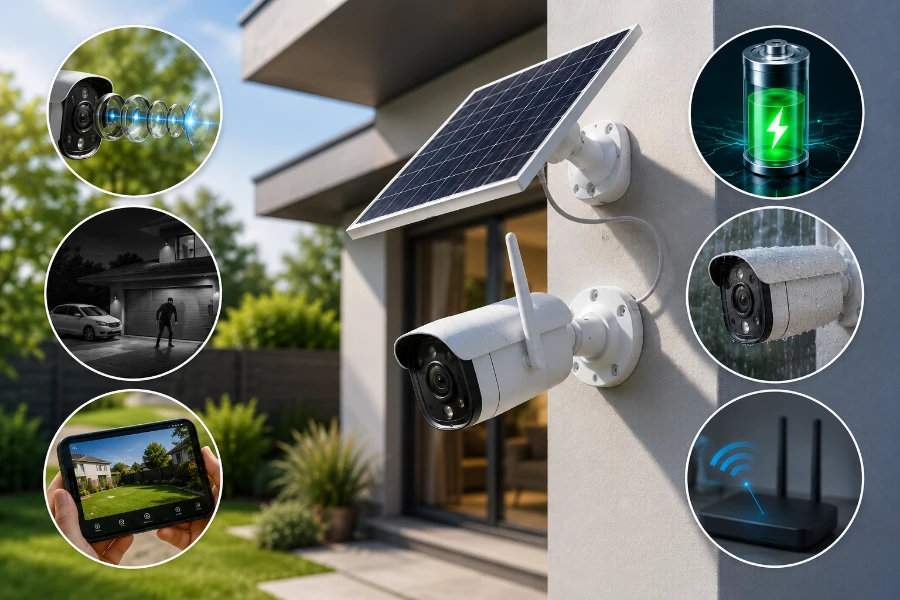
Many buyers focus heavily on price first. That can become a mistake quickly.
The cheapest system often becomes the most frustrating system.
Instead, focus on features that directly affect daily performance.
Video Resolution
1080p should be considered the minimum standard now.
If your budget allows it, 2K or 4K systems offer noticeably better clarity for identifying faces, license plates, and activity at greater distances.
Higher resolution matters most when covering wide outdoor areas.
Night Vision Performance
A security camera that performs poorly at night loses much of its value.
Look for:
- Infrared night vision
- Color night vision
- Wide nighttime visibility range
Some premium cameras now produce surprisingly clear nighttime color footage even in low-light environments.
That is a huge upgrade compared to older grainy systems.
Smart Motion Detection
Modern systems have become much smarter.
The best outdoor wireless security camera system solar powered setups now use AI-based motion detection to differentiate between:
- Humans
- Vehicles
- Animals
- Random movement
That dramatically reduces false alerts.
Nobody wants endless notifications from blowing leaves.
Battery Capacity
Battery size matters more than many people realize.
Cloudy weather happens. Rainy weeks happen.
A larger battery reserve helps ensure uninterrupted operation during periods with limited sunlight.
Always check:
- Battery size
- Estimated runtime
- Solar charging efficiency
Weather Resistance
Outdoor systems need serious durability.
Look for IP65 or higher weather resistance ratings. These ratings help ensure protection against:
- Rain
- Dust
- Heat
- Snow
- Wind
Outdoor electronics face constant environmental stress. Cheap housing materials usually fail faster.
Best Places to Install Solar Powered Outdoor Cameras
Placement can completely change system performance.
A great camera installed poorly still becomes a weak security solution.
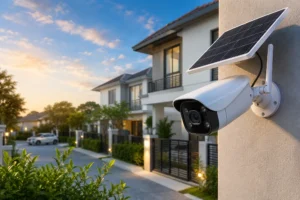
Residential Homes
For homeowners, the most effective camera positions often include:
- Front entrances
- Driveways
- Backyard gates
- Garages
- Side access points
The goal is visibility without obvious blind spots.
Commercial Properties
Businesses often benefit from solar-powered systems in:
- Parking lots
- Equipment yards
- Warehouses
- Delivery zones
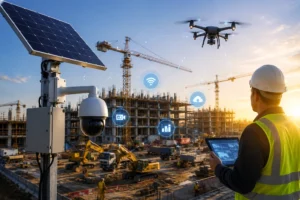
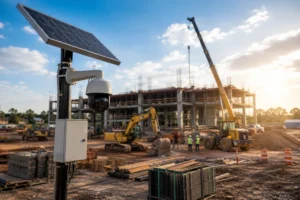
- Construction projects
Many businesses specifically choose the best outdoor wireless security camera system solar powered options because expanding wired infrastructure across commercial lots becomes extremely expensive.
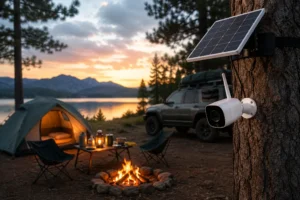
Remote Locations
Solar cameras thrive in off-grid environments.
That includes:
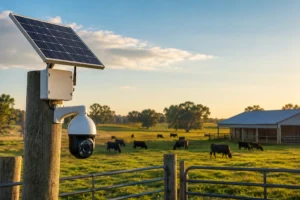
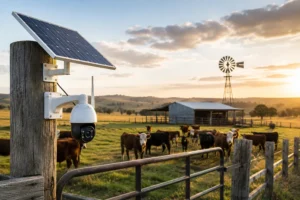
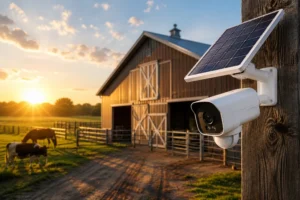
- Farms
- Cabins
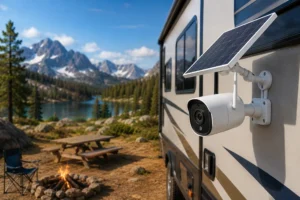
- RV lots
- Boat storage facilities
- Rural entrances
These are environments where traditional wired systems become impractical.
Common Buying Mistakes to Avoid
People often focus on flashy marketing instead of real-world performance.
That leads to disappointment.
Ignoring Sunlight Conditions
Solar panels need consistent sunlight exposure.
Installing cameras under dense tree cover or permanently shaded rooflines reduces charging performance dramatically.
Before mounting anything:
- Observe sunlight patterns
- Check seasonal shade changes
- Avoid north-facing positions when possible
Choosing Based Only on Price
Low-cost cameras often cut corners on:
- Battery quality
- Sensor quality
- Software reliability
- Weatherproofing
A cheap camera that constantly disconnects becomes useless quickly.
Reliability matters more than saving a small amount upfront. In many ways, evaluating surveillance systems becomes an exercise in epistemology because buyers must decide which information, evidence, and real-world performance indicators actually matter before trusting a security product.
Overlooking WiFi Strength
Wireless systems still depend heavily on stable connectivity.
Large properties may require:
- WiFi extenders
- Mesh networks
- Cellular-enabled cameras
Poor connectivity creates lag, missed footage, and unreliable alerts.
Buying Weak Batteries
Some budget systems advertise solar charging but include undersized batteries.
That becomes obvious during cloudy weeks.
Always prioritize battery capacity over marketing claims.
Solar Security Cameras vs Wired Systems
There is no perfect solution for every property. But solar systems have become far more competitive than many people expect.
Installation Comparison
| Feature | Solar Wireless | Traditional Wired |
| Installation Speed | Fast | Slow |
| Electrical Work | Minimal | Extensive |
| Flexibility | High | Limited |
| Expansion | Easy | Expensive |
| Relocation | Simple | Difficult |
Maintenance Differences
Wired systems avoid battery concerns but introduce cable maintenance issues.
Solar wireless systems require occasional:
- Solar panel cleaning
- Battery monitoring
- Firmware updates
Overall, maintenance tends to remain relatively low.
Long-Term Cost Considerations
Initial pricing varies widely.
However, installation labor for wired systems often pushes total costs much higher.
The best outdoor wireless security camera system solar powered setups may actually reduce overall costs significantly over time.
Especially across larger outdoor properties.
Weather and Solar Camera Performance
Weather affects every outdoor security system.
Solar cameras are no exception.
Rainy Seasons
Modern batteries help compensate during cloudy periods.
High-quality systems can often operate several days without direct sunlight if battery reserves are strong enough.
Still, panel positioning remains critical.
Cold Temperatures
Extreme cold can reduce battery efficiency temporarily.
If you live in colder climates:
- Look for low-temperature battery ratings
- Choose weather-tested systems
- Prioritize larger battery capacity
Hot Climates
Heat matters too.
Cheaper plastic housings may warp or degrade under intense sun exposure.
Quality materials matter much more in hot environments.
Smart Features That Make Modern Systems Better
The newest solar-powered cameras are far smarter than older surveillance systems.
This is where the market has evolved quickly.
Smart Home Integration
Many systems now integrate with:
- Amazon Alexa
- Google Home
- Smart displays
- Mobile assistants
Voice commands and remote viewing create a smoother experience overall.
AI Monitoring
AI-based tracking can now:
- Follow movement
- Detect suspicious behavior
- Reduce false alerts
- Prioritize human activity
This makes reviewing footage much faster and less frustrating.
Multi-User Access
Businesses especially benefit from shared access management.
Managers, security teams, and property owners can all monitor systems remotely from separate devices.
Installation Tips for Better Performance
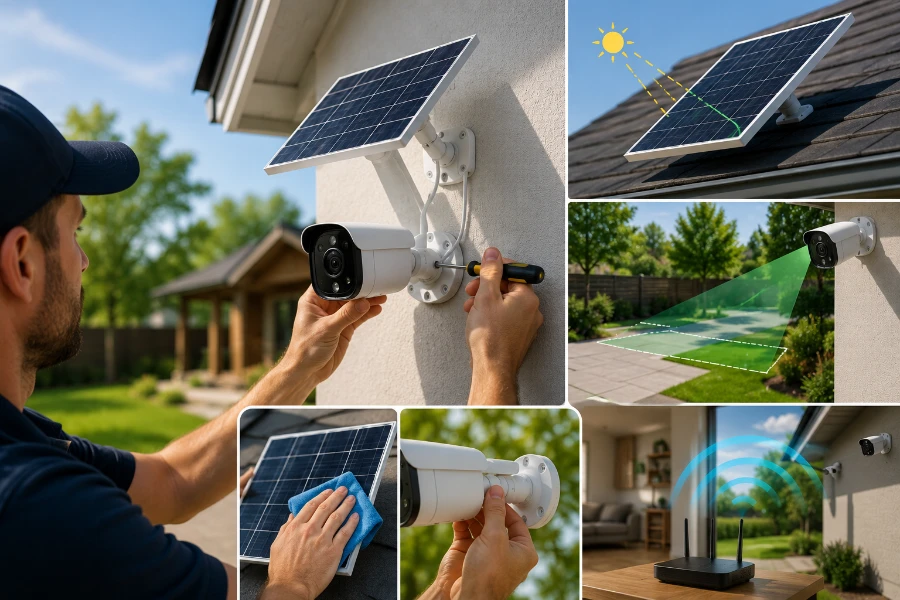
Even the best camera performs poorly if installed carelessly.
A few smart adjustments can make a huge difference.
Position Solar Panels Properly
The solar panel matters just as much as the camera.
For best results:
- Maximize direct sun exposure
- Avoid obstructions
- Adjust angles seasonally if possible
Avoid Glare and Blind Spots
Do not point cameras directly toward:
- Bright lights
- Reflective windows
- Strong sunset angles
Test footage during both day and night before finalizing placement.
Improve Wireless Connectivity
Weak signal strength causes endless problems.
Solutions may include:
- Mesh WiFi systems
- Outdoor access points
- Cellular backup cameras
Stable connectivity is essential for consistent alerts and video access.
Perform Simple Maintenance
A little upkeep goes a long way.
Every few months:
- Clean dust from panels
- Check mounting hardware
- Update firmware
- Test notifications
Most maintenance takes only minutes.
Are Solar Powered Security Cameras Worth It?
For many properties, absolutely.
The convenience alone makes them attractive. But the real value comes from flexibility and reliability.
The best outdoor wireless security camera system solar powered setups work especially well for:
- Homes with difficult wiring access
- Large outdoor spaces
- Rural properties
- Temporary job sites
- Businesses needing scalable coverage
There are still limitations.
Heavy shade can reduce charging performance. Weak internet can create connectivity issues. Extremely cheap systems often underperform.
But modern high-quality solar security systems have become remarkably capable.
And honestly, they solve problems that wired systems still struggle with.
Final Thoughts
Security technology is moving toward flexibility, efficiency, and simplicity. Solar-powered wireless systems sit directly at the center of that shift.
The best outdoor wireless security camera system solar powered solutions now offer impressive video quality, reliable battery performance, smart AI features, and simple installation without the headaches of traditional wiring.
That combination is hard to ignore.
Whether you are protecting a suburban home, monitoring a remote property, or securing a commercial site, solar-powered systems provide an adaptable solution that keeps getting better every year.
Focus on reliability first. Prioritize battery quality, weather resistance, and strong connectivity. Avoid chasing the absolute cheapest option.
A dependable security system should quietly work in the background day after day without constant attention.
That is exactly what the best solar-powered outdoor camera systems are finally delivering.
FAQs
Most high-quality solar security cameras can run for several days or even weeks on a full charge, depending on motion activity and weather conditions.
Yes, they still work during cloudy days because the battery stores reserve power, although charging efficiency may temporarily decrease.
Some advanced models support continuous recording, but many solar cameras use motion-activated recording to preserve battery life.
Yes! Most systems are designed for DIY installation and only require mounting the camera and connecting it to WiFi through a mobile app.
1080p is considered the minimum standard, but 2K and 4K cameras provide much sharper detail for identifying faces and license plates.
They perform best with direct sunlight, but quality systems can still charge under indirect light or partially cloudy conditions.
Some models support cellular connectivity or local recording, allowing them to function even without a traditional WiFi network.
Most outdoor solar cameras are weather-resistant and come with IP65 or higher ratings to handle rain, dust, and harsh outdoor conditions.
Cleaning the panels every few months helps maintain charging efficiency, especially in dusty or heavily polluted environments.
For many homes and businesses, yes. They reduce wiring costs, improve placement flexibility, and continue operating during power outages.