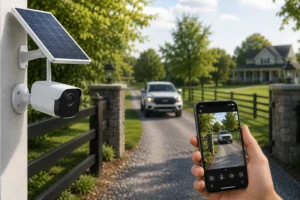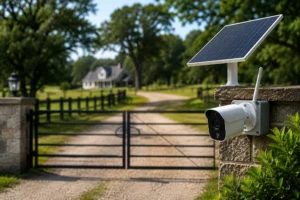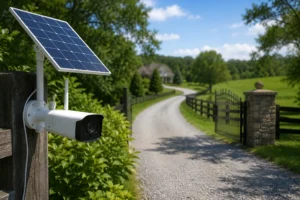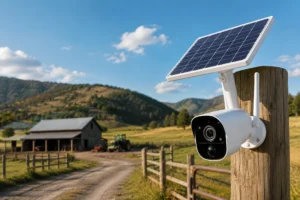
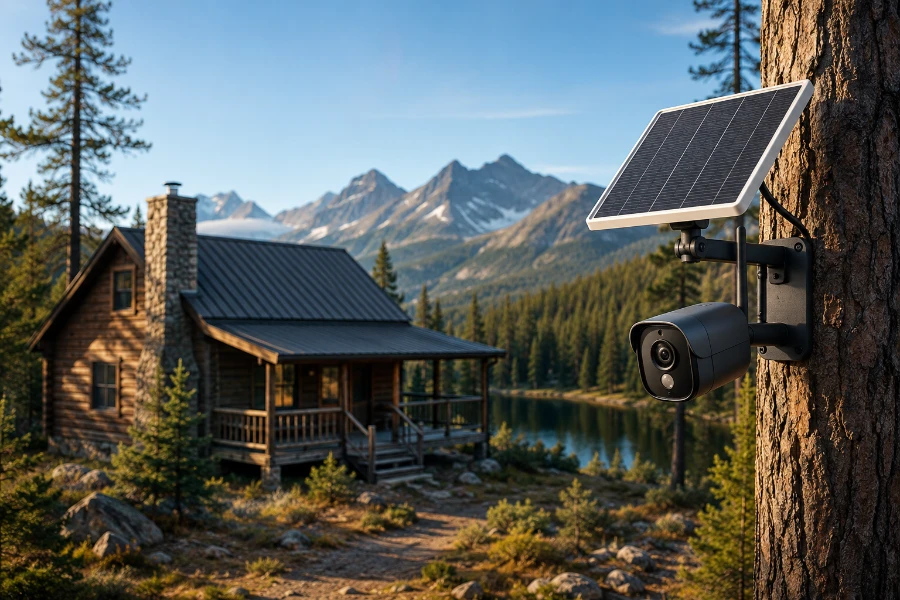
Owning a remote cabin sounds ideal. It offers privacy, quiet surroundings, and a chance to disconnect from busy daily life. However, there is one major downside. When you are not there, nobody is watching the property.
That reality has made the remote cabin solar camera one of the fastest-growing security solutions for cabin owners. Whether you own a hunting cabin, a mountain retreat, a fishing lodge, or a seasonal vacation property, protecting it from theft, vandalism, trespassing, and wildlife damage is essential.
Traditional security systems often depend on electrical power and internet access. Most remote cabins have neither. Fortunately, solar-powered security cameras eliminate those limitations by generating their own power and using cellular networks to transmit alerts and footage.
The result is simple. You gain visibility into your property anytime and from virtually anywhere.
What Is a Remote Cabin Solar Camera?
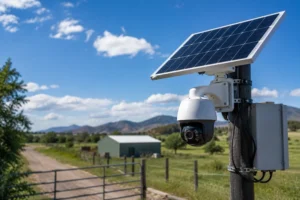
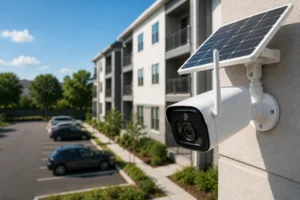
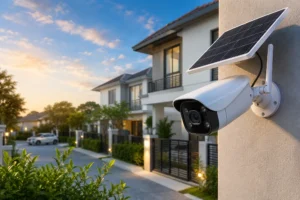
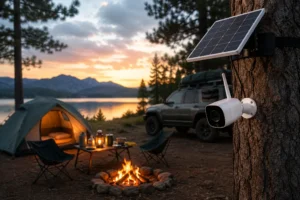
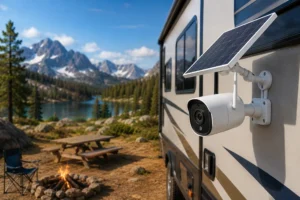
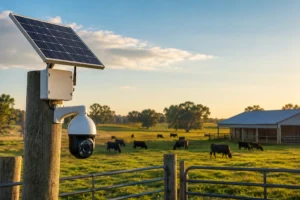
A remote cabin solar camera is a self-powered surveillance system specifically designed for locations where conventional infrastructure is unavailable or unreliable.
Unlike traditional security cameras that require constant electrical power, these systems rely on solar energy and rechargeable batteries.
Most systems include:
- Security camera
- Solar charging panel
- Rechargeable battery
- Cellular communication module
- Mobile monitoring app
- Cloud or local storage
Together, these components create a security solution capable of operating throughout the year with minimal intervention.
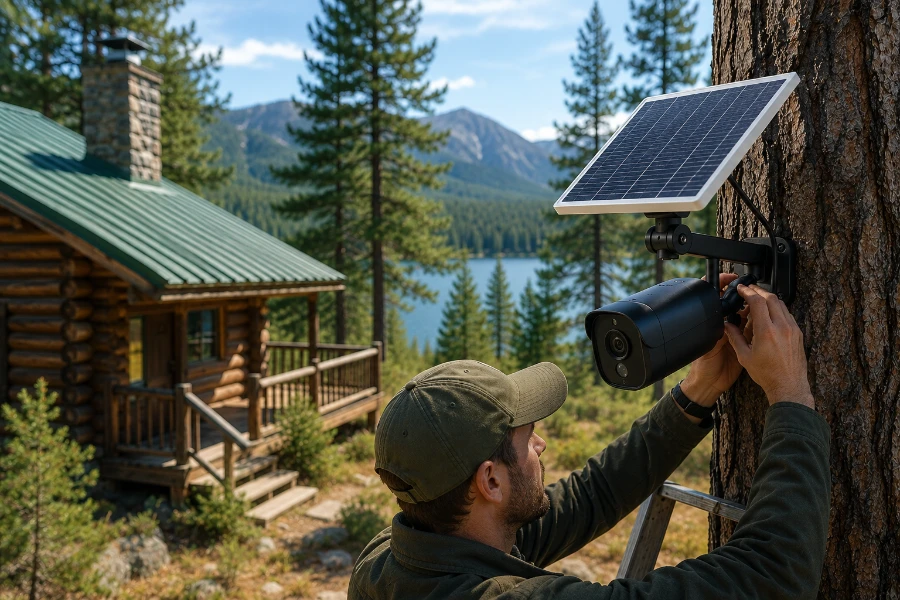
For many cabin owners, installation is surprisingly straightforward. There is no trenching, extensive wiring, or costly electrical work required.
Why Remote Cabins Need Dedicated Security Cameras
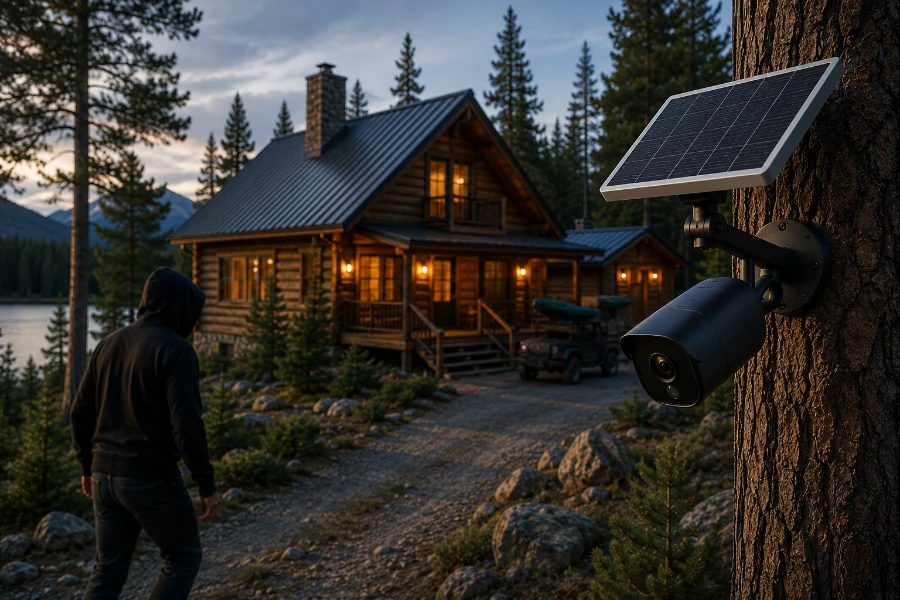
Many property owners assume isolation naturally protects their cabin.
Unfortunately, the opposite is often true.
Remote properties can become attractive targets because they remain unattended for extended periods.
Theft and Burglary
Cabins often contain valuable assets, including:
- ATVs
- Boats
- Hunting equipment
- Firearms
- Power tools
- Generators
- Outdoor recreation gear
Without surveillance, a thief may have plenty of time to remove property before anyone notices.
A properly installed remote cabin solar camera provides instant alerts when activity occurs, dramatically reducing response times.
Trespassing
Not all security issues involve stolen property.
Unauthorized visitors may:
- Enter private land
- Use access roads
- Camp illegally
- Fish from private shorelines
- Hunt without permission
These situations create liability concerns and may lead to property damage.
Wildlife Monitoring
Interestingly, many cabin owners discover additional benefits after installing security cameras.
Wildlife observation becomes part of daily monitoring.
Cameras frequently capture:
- Deer activity
- Bear sightings
- Elk migration patterns
- Waterfowl movement
- Predator activity
For hunters and outdoor enthusiasts, these insights can be incredibly valuable.
Peace of Mind
Perhaps the greatest benefit is confidence.
Instead of wondering whether everything is okay, you can open an app and check your property instantly.
That reassurance is difficult to quantify but incredibly valuable.
How Remote Cabin Solar Cameras Work
The technology behind solar security systems is remarkably efficient.
Solar Energy Collection
The solar panel captures sunlight and converts it into electricity.
Modern panels use the principle known as the photovoltaic effect, which allows sunlight to be transformed into usable energy. Readers interested in the science behind this process can learn more about the photovoltaic effect.
This process enables cameras to remain operational without relying on utility power.
Battery Storage
Solar-generated electricity charges an internal battery.
The battery powers the system during:
- Nighttime
- Cloudy weather
- Rainy conditions
- Winter months
Many modern systems are designed to operate for several days without direct sunlight.
Battery capacity is one of the most important specifications when evaluating a remote cabin solar camera.
Motion-Activated Recording
Most solar cameras prioritize efficiency.
Instead of recording continuously, they activate when movement occurs.
The process typically follows these steps:
- Motion sensor detects activity.
- Camera activates.
- Recording begins.
- Alert is sent to the owner.
- Video is stored.
This approach reduces power consumption while maximizing battery life.
Remote Mobile Access
Today’s systems allow owners to:
- View live footage
- Watch recorded clips
- Receive instant alerts
- Change camera settings
- Download evidence
Whether you are ten miles away or across the country, your property remains accessible.
Benefits of Using a Remote Cabin Solar Camera
The popularity of solar-powered surveillance continues to grow because the benefits are substantial.
Completely Off-Grid Operation
Many cabins are located where utility access is either unavailable or prohibitively expensive.
Solar cameras eliminate that challenge.
No electrical service.
No monthly utility bills.
and no dependence on local infrastructure.
Lower Installation Costs
Running electrical power to a remote structure can cost thousands of dollars.
Solar-powered systems often avoid those expenses entirely.
Many homeowners complete installation themselves in a single day.
Flexible Camera Placement
Since extensive wiring is unnecessary, cameras can be positioned strategically.
Common locations include:
- Driveways
- Entry gates
- Docks
- Storage sheds
- Equipment yards
- Trail entrances
This flexibility significantly improves overall coverage.
Reliable During Power Outages
Storms frequently disrupt rural power grids.
Traditional security systems may stop functioning.
Solar-powered cameras continue operating independently, which is often when monitoring matters most.
Environmentally Friendly Security
Solar energy provides a sustainable power source.
Advancements in energy storage technologies have also improved performance dramatically. Property owners interested in learning more about modern energy storage systems can review information provided by the U.S. Department of Energy.
This combination of renewable energy and efficient storage makes modern security systems more reliable than ever.
Essential Features to Look For
Not every solar camera is designed for remote properties.
Selecting the right system requires careful consideration.
High-Resolution Video Quality
Image quality matters.
A blurry recording provides limited value when identifying:
- Faces
- Vehicles
- License plates
- Equipment
At minimum, consider 2K resolution.
Many premium cameras now offer 4K video for even greater detail.
Night Vision Performance
Many incidents occur after sunset.
Look for cameras offering:
- Infrared night vision
- Color night vision
- Long-range visibility
Strong nighttime performance is essential for remote security.
Cellular Connectivity
Wi-Fi is often unavailable in remote areas.
Cellular-enabled cameras solve this problem by transmitting footage and alerts through mobile networks.
For a deeper look at connectivity options, readers may find our guide to 4G LTE solar security cameras helpful.
Before purchasing, verify cellular coverage around your property.
Signal strength can significantly affect performance.
Weatherproof Construction
Remote cabins experience harsh weather conditions throughout the year.
Look for systems capable of handling:
| Condition | Why It Matters |
| Rain | Protects internal electronics |
| Snow | Supports winter operation |
| Dust | Extends component life |
| Wind | Maintains mounting stability |
| Heat | Prevents overheating |
| Freezing Temperatures | Ensures year-round reliability |
An IP65 or IP66 weather rating is generally recommended.
Smart Motion Detection
False alerts quickly become annoying.
Modern systems can distinguish between:
- People
- Vehicles
- Wildlife
- Environmental movement
This significantly improves notification accuracy.
Battery Life
Long battery life is critical for remote locations.
Property owners seeking additional insights into maximizing system uptime should also review our guide on solar security camera battery life.
A larger battery reserve often translates into greater reliability during poor weather conditions.
Best Locations to Install a Solar Camera at a Remote Cabin
Even the most advanced security camera cannot compensate for poor placement.
Strategic positioning is critical.
Main Entrance and Driveway
Most visitors will arrive through the primary access route.
Monitoring this location provides valuable records of:
- Vehicles entering
- Visitors arriving
- Deliveries
- Suspicious activity
A driveway camera often becomes the most important camera on the property.
Cabin Doors and Windows
Entry points deserve dedicated coverage.
Focus on:
- Front doors
- Back doors
- Sliding doors
- Ground-level windows
These locations represent the highest-risk areas for unauthorized access.
Equipment Storage Areas
Many cabin owners focus entirely on the main structure and overlook nearby storage buildings.
That can be a costly mistake.
Items commonly stored in outbuildings often include:
- Generators
- Fuel containers
- ATVs
- Boats
- Utility trailers
- Power tools
A dedicated camera covering these assets can provide an additional layer of protection and valuable evidence if theft occurs.
Docks and Waterfront Areas
If your property includes a lakefront, riverfront, or dock, this area deserves attention.
Boats, fishing equipment, and personal watercraft are frequent targets for theft.
A strategically placed remote cabin solar camera can monitor both the dock itself and nearby shoreline access points.
Common Security Threats Faced by Remote Cabin Owners
Remote properties face unique risks compared to primary residences.
Understanding those threats helps determine the most effective security strategy.
Theft and Burglary
This remains the most common concern.
Criminals often target cabins because they assume nobody is present and that the property may not be monitored regularly.
Visible security cameras can serve as both a deterrent and an investigative tool.
Trespassing
Unauthorized visitors can create significant issues even when theft does not occur.
Common examples include:
- Recreational trespassing
- Unauthorized camping
- Off-road vehicle use
- Illegal hunting
- Unauthorized fishing
Documenting these activities helps property owners address recurring problems.
Illegal Dumping
Unfortunately, isolated properties sometimes attract individuals looking for places to discard unwanted materials.
Common items include:
- Household waste
- Construction debris
- Appliances
- Furniture
Camera footage can help identify offenders and reduce repeat incidents.
Vandalism
Vacant properties occasionally become targets for vandalism.
Broken windows, damaged doors, graffiti, and property destruction can become expensive to repair.
Early detection allows owners to respond more quickly.
Wildlife Damage
Not every threat comes from people.
Bears, raccoons, wild hogs, and other animals can damage:
- Doors
- Windows
- Storage buildings
- Trash containers
- Outdoor equipment
A remote cabin solar camera helps identify recurring wildlife activity and guide preventative measures.
Cellular vs Wi-Fi Solar Cameras for Remote Cabins
One of the most important purchasing decisions involves connectivity.
Should you choose a cellular camera or a Wi-Fi camera?
The answer depends on your property’s infrastructure.
Cellular Solar Cameras
Cellular cameras connect through mobile networks rather than local internet service.
Advantages
- Operate where Wi-Fi is unavailable
- Real-time alerts from remote locations
- Easy installation
- Greater flexibility in placement
Limitations
- Monthly data plans
- Cellular coverage required
- Potential signal limitations in mountainous areas
For most remote cabins, cellular cameras are the preferred option.
Wi-Fi Solar Cameras
Wi-Fi cameras connect through an existing internet connection.
Advantages
- No cellular data fees
- Faster video uploads
- Continuous connectivity when internet is available
Limitations
- Requires reliable internet service
- Router must remain powered
- Limited usefulness for true off-grid locations
Which Option Is Best?
For most remote properties, cellular-enabled systems offer the most reliable solution.
If your cabin already has dependable broadband service, Wi-Fi may work well.
However, truly isolated properties typically benefit more from cellular connectivity.
How to Maximize Solar Camera Performance
Even the best equipment can underperform if installed incorrectly.
Fortunately, a few simple practices can dramatically improve reliability.
Optimize Solar Panel Placement
The solar panel needs maximum sunlight exposure.
When selecting a location:
- Face panels toward the sun
- Avoid heavy tree cover
- Reduce shading throughout the day
- Account for seasonal sun angle changes
Small adjustments can significantly increase charging efficiency.
Minimize Obstructions
Branches, vegetation, and structures can block both sunlight and camera visibility.
Inspect installation areas periodically and trim vegetation when necessary.
Adjust Motion Detection Settings
Overly sensitive settings often generate excessive alerts.
Fine-tune detection zones to focus on:
- Driveways
- Entrances
- Equipment storage areas
Avoid monitoring unnecessary movement such as swaying trees or tall grass.
Use Smart Recording Modes
Many modern cameras offer advanced recording options.
These may include:
- Human detection
- Vehicle detection
- Scheduled monitoring
- Activity zones
These features reduce battery consumption while improving useful event capture.
Perform Seasonal Maintenance
Remote properties experience changing weather conditions throughout the year.
At least twice annually:
- Clean solar panels
- Inspect mounting hardware
- Verify battery performance
- Test cellular connectivity
- Update camera firmware
A small maintenance effort can prevent major issues later.
Real-World Applications of Remote Cabin Solar Cameras
These systems serve a variety of property types.
Vacation Cabins
Owners often visit only a few times per year.
Continuous monitoring helps ensure everything remains secure between visits.
Hunting Cabins
Hunters frequently use cameras to monitor both property security and wildlife activity.
This dual purpose adds significant value.
Fishing Cabins
Monitoring docks, boats, and waterfront equipment helps protect expensive recreational assets.
Mountain Retreats
Mountain properties often face limited infrastructure and difficult access.
Solar-powered cameras are particularly valuable in these locations.
Lakeside Properties
Seasonal cabins near lakes often remain vacant during portions of the year.
A remote cabin solar camera provides year-round oversight.
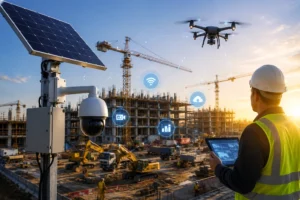
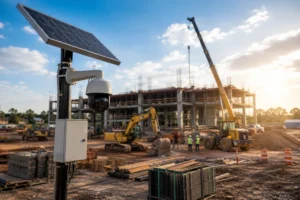
Remote Construction Projects
Solar cameras are increasingly used to monitor:
- Building materials
- Construction equipment
- Jobsite activity
This helps reduce theft and project delays.
Cost Considerations and Long-Term Value
Many property owners initially focus on purchase price.
However, total value extends far beyond upfront cost.
Typical Cost Breakdown
| Component | Typical Cost Range |
| Solar Camera System | $150–$600 |
| Premium 4G LTE System | $300–$1,000+ |
| Cellular Data Plan | $5–$30 per month |
| Mounting Equipment | $20–$100 |
| Professional Installation | Optional |
While pricing varies, most systems cost far less than recovering from a major theft.
Potential Savings
A single prevented incident may save thousands of dollars in:
- Stolen equipment
- Property repairs
- Insurance deductibles
- Travel expenses
- Lost recreational time
Viewed over several years, many systems easily justify their investment.
Common Mistakes to Avoid
Many security issues stem from poor planning rather than equipment failure.
Installing Cameras in Shaded Areas
Insufficient sunlight reduces charging performance.
Always evaluate sunlight exposure before mounting equipment.
Choosing Small Battery Capacity
Remote environments often experience extended cloudy periods.
Larger battery reserves provide greater reliability.
Ignoring Cellular Coverage
A camera cannot transmit alerts without adequate signal strength.
Verify coverage before purchasing equipment.
Poor Camera Positioning
A camera pointed too high, too low, or too far away may miss important details.
Perform test recordings before finalizing installation.
Neglecting Maintenance
Even durable equipment benefits from routine inspection.
Simple maintenance often prevents long-term performance problems.
Future Trends in Remote Cabin Security Technology
Security technology continues to evolve rapidly.
Several innovations are making solar-powered systems even more capable.
Artificial Intelligence Detection
AI-powered systems increasingly distinguish between:
- People
- Vehicles
- Animals
- Environmental movement
This improves accuracy and reduces false alarms.
Enhanced Solar Efficiency
Modern solar panels continue to become more efficient.
Future systems will require less sunlight while generating more power.
Improved Battery Technology
Battery advancements are extending operating times and improving cold-weather performance.
This is particularly important for remote northern properties.
Integrated Property Monitoring
Many systems now combine:
- Cameras
- Environmental sensors
- Motion detectors
- Smart alerts
This creates a more comprehensive property management platform.
Better Remote Access
Mobile applications continue to improve, providing faster alerts, easier management, and enhanced video quality.
For cabin owners, these improvements translate into greater visibility and control.
Conclusion
Remote cabins provide privacy, recreation, and a welcome escape from everyday life. However, their isolation also creates security challenges that cannot be ignored.
A properly selected and installed remote cabin solar camera offers a practical solution. It provides continuous monitoring without requiring electrical infrastructure, reduces installation costs, and delivers real-time visibility from virtually anywhere.
Whether you own a hunting cabin, mountain retreat, fishing lodge, or seasonal vacation property, solar-powered surveillance can help protect your investment while providing invaluable peace of mind.
As solar technology, battery performance, and cellular connectivity continue to improve, the modern remote cabin solar camera is becoming one of the most effective tools available for securing off-grid properties. Investing in the right system today can help prevent costly problems tomorrow while ensuring your cabin remains protected year-round.
FAQs
A remote cabin solar camera is a security camera powered by solar energy and rechargeable batteries, making it ideal for off-grid properties without electricity.
Yes. Most systems store energy in rechargeable batteries, allowing them to continue operating for several days even when sunlight is limited.
Yes. Many models use 4G LTE cellular networks to transmit alerts and footage, making them suitable for locations without internet service.
Battery life varies by model, weather conditions, and usage, but many systems can operate for several days or even weeks without direct sunlight.
No. Most solar-powered cameras are designed for simple installation and require minimal wiring compared to traditional security systems.
Yes. Most modern remote cabin solar cameras include infrared or color night vision to provide clear footage after dark.
The best locations are usually driveways, entry doors, storage buildings, and other areas where people or vehicles are most likely to access the property.
Very little maintenance is required, but cleaning the solar panel and checking battery performance periodically can help maintain optimal operation.
Yes. However, many advanced cameras offer smart detection features that can distinguish between people, vehicles, and animals to reduce false alerts.
For most cabin owners, the cost is small compared to the potential expense of theft, vandalism, or property damage, making it a valuable long-term security solution.