Security has changed. Fast. Homeowners are moving away from complicated wiring and toward smarter, cleaner solutions. That’s where solar-powered systems come in. But let’s get straight to it—are solar security cameras worth it, or are they just another trendy gadget that looks good on paper?
I’ve tested and researched these systems across different setups, from small homes to remote properties. The answer isn’t one-size-fits-all. It depends on how you use them, where you install them, and what you expect. Let’s break it down in a way that actually helps you make a decision.
What Are Solar Security Cameras?
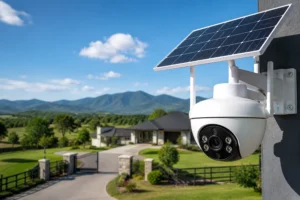
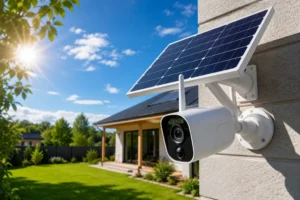
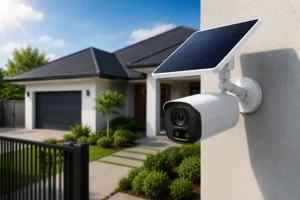
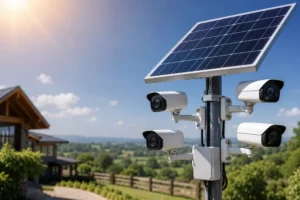
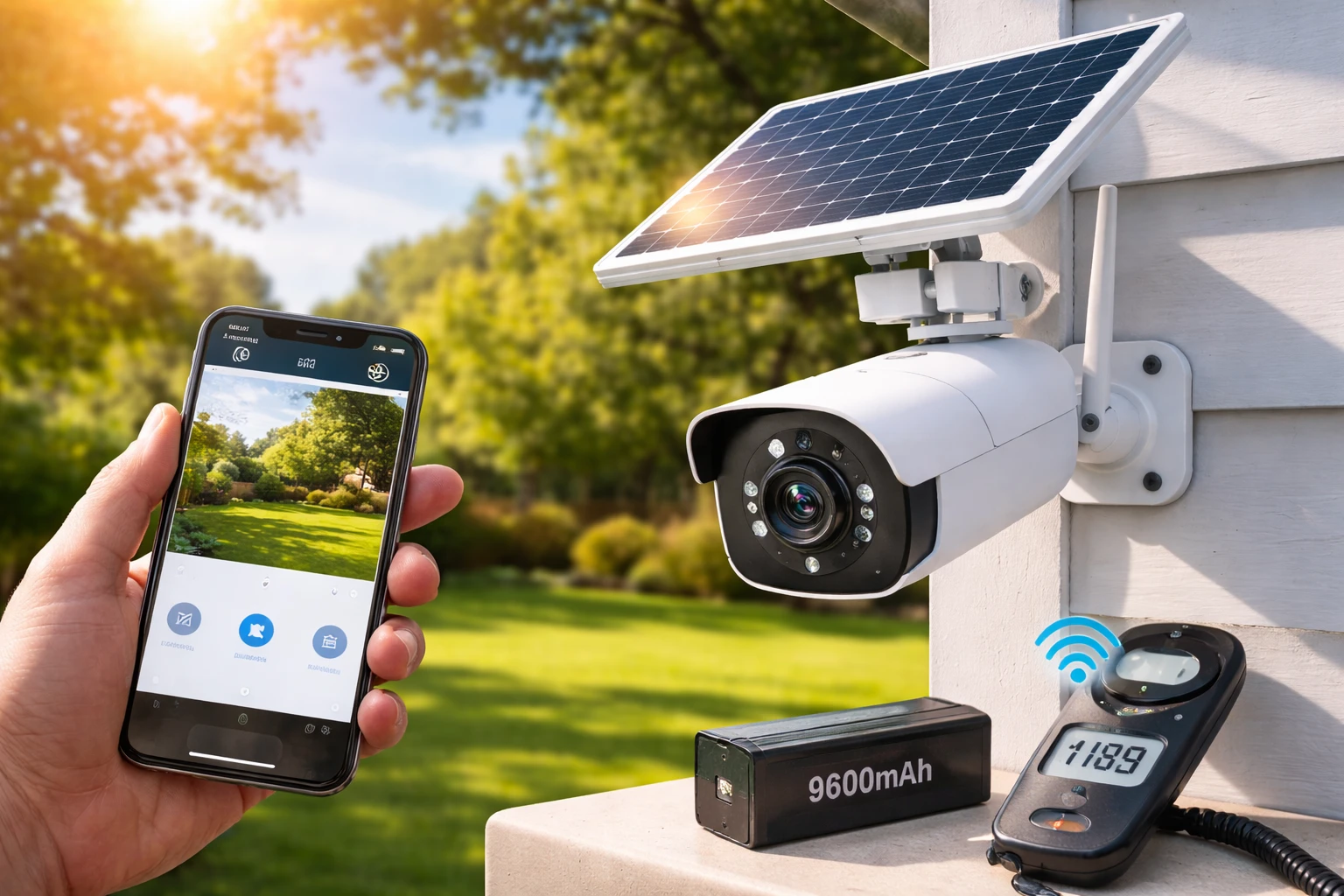
Solar security cameras are exactly what they sound like—security cameras powered by sunlight instead of traditional electrical wiring. Simple concept. Powerful execution.
At their core, they include:
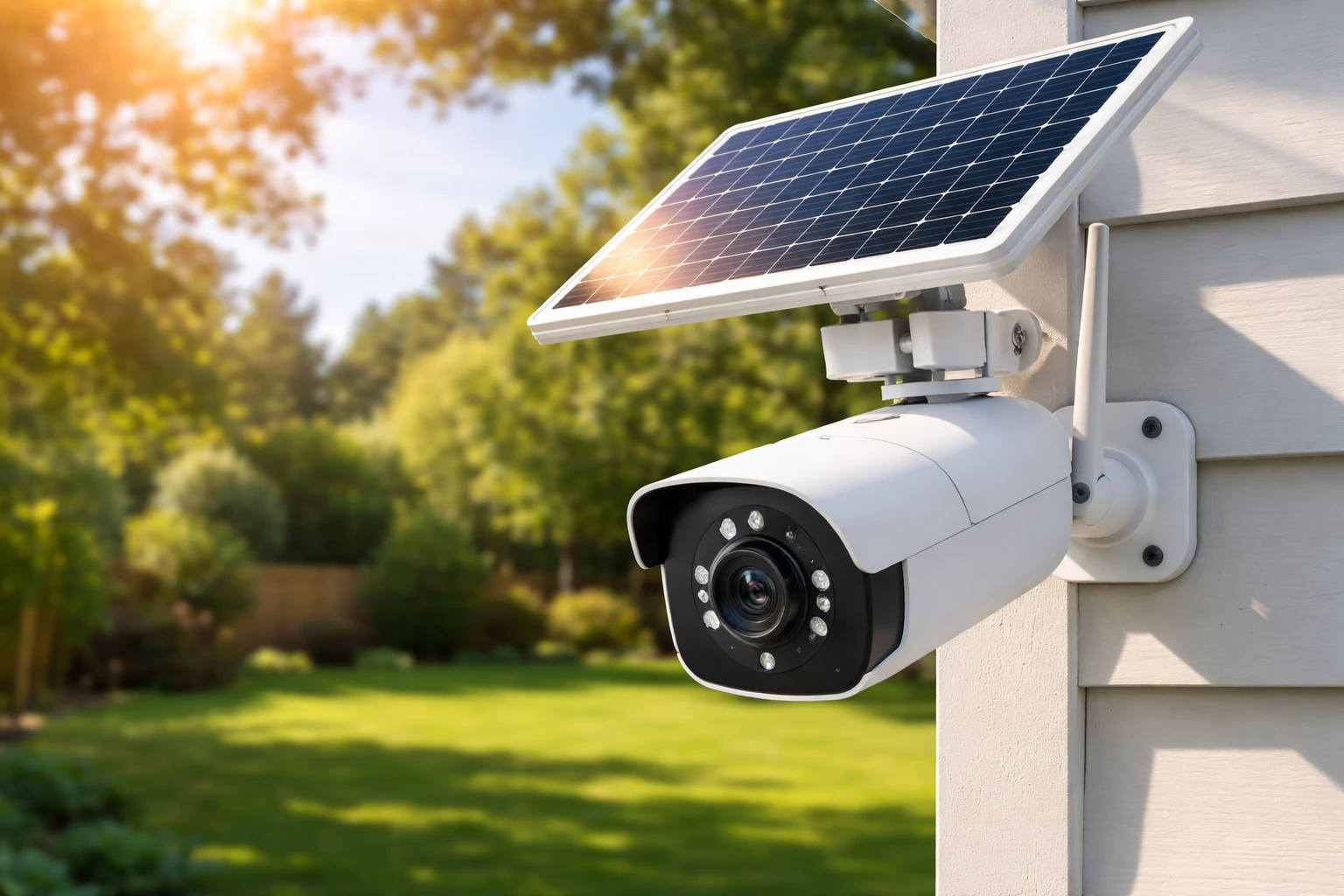
- A solar panel that captures sunlight
- A rechargeable battery that stores energy
- A wireless camera system that records and sends footage
Unlike wired systems, these cameras don’t rely on your home’s electrical grid. That means fewer cables, less hassle, and far more flexibility.
How Do Solar Security Cameras Work?
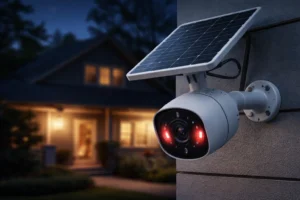
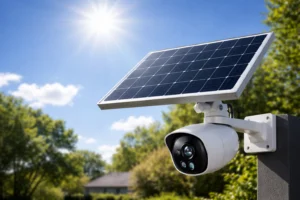
The process is surprisingly straightforward. During the day, the solar panel absorbs sunlight and converts it into energy. That energy charges the battery. At night—or during cloudy weather—the camera runs off that stored power.
It’s a cycle that keeps repeating.
Here’s the basic flow:
- Sunlight hits the panel
- Energy gets stored in the battery
- Camera operates continuously using stored power
- Recharge happens daily with exposure to sunlight
Some models also include smart power management, meaning they conserve energy when there’s less activity. That’s a big deal if you live in areas with inconsistent sunlight.
Key Benefits of Solar Security Cameras
Let’s talk about why people are switching. Because there are real advantages here.
Easy Installation
No drilling through walls. No hiring electricians. And no complicated wiring diagrams.
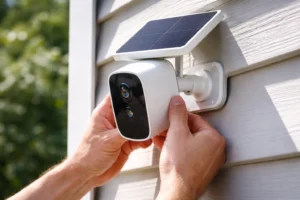
You mount the camera, position the panel, connect to WiFi, and you’re done. It’s that simple.
For renters or anyone who doesn’t want to deal with permanent installations, this is huge.
Energy Efficiency
You’re not pulling electricity from your home. That means lower energy bills and a lighter environmental footprint.
Over time, that adds up.
Flexible Placement
This is where solar cameras shine. You can place them:
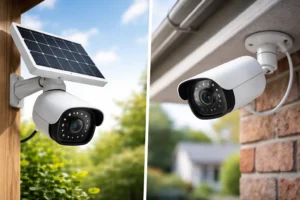
- On fences
- On trees
- On detached garages
- On remote buildings
Anywhere there’s sunlight, you’re good to go.
Low Maintenance
Once installed properly, there’s not much to do. Maybe wipe the solar panel every few weeks. That’s about it.
Long-Term Cost Savings
Yes, the upfront cost can be higher. But you save on:
- Installation fees
- Electrical wiring
- Ongoing electricity costs
In the long run, that balance often shifts in your favor.
Potential Drawbacks to Consider
Now let’s get real. Solar security cameras aren’t perfect.
Dependence on Sunlight
If your camera is in a shaded area, performance drops. No sunlight means limited charging.
That’s the trade-off.
Battery Limitations
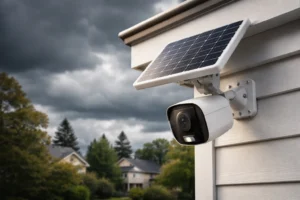
Even the best batteries have limits. Extended cloudy days can reduce uptime, especially if the camera records frequently.
Higher Initial Cost
Solar cameras typically cost more upfront than basic wired options. You’re paying for convenience and flexibility.
Connectivity Issues
Most solar cameras rely on WiFi or cellular networks. Weak signal? Expect interruptions.
Weather Exposure
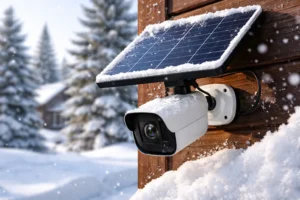
These cameras live outdoors. Extreme heat, heavy rain, or snow can impact performance over time.
Are Solar Security Cameras Worth It for Different Use Cases?
This is where the real answer comes in. Because are solar security cameras worth it depends heavily on your situation.
Homeowners
If you want a clean, wire-free setup, they’re absolutely worth considering. They’re especially useful for monitoring entry points like driveways and backyards.
Renters
No drilling. No permanent changes. Easy removal when you move.
That alone makes them worth it.
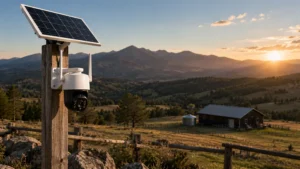
Rural or Off-Grid Properties
This is where solar cameras dominate. No electricity? No problem. As long as you have sunlight and a signal, you’re covered.
Businesses
For outdoor surveillance—parking lots, construction sites, storage yards—solar cameras offer flexibility without infrastructure costs.
Cost Breakdown: Are They Really Worth the Investment?
Let’s look at the numbers.
| Feature | Solar Cameras | Wired Cameras |
| Initial Cost | Higher | Lower |
| Installation Cost | Low | High |
| Electricity Cost | None | Ongoing |
| Flexibility | High | Limited |
| Maintenance | Low | Moderate |
While the upfront cost is higher, the long-term savings often balance things out.
If you’re asking again—are solar security cameras worth it financially—the answer leans toward yes, especially for long-term use.
Performance Factors That Affect Value
Not all solar cameras perform equally. Several factors determine whether you’ll actually get your money’s worth.
Sunlight Availability
More sunlight equals better performance. Simple.
Battery Capacity
Larger batteries mean longer operation during cloudy days.
Camera Quality
Look for:
- 1080p or higher resolution
- Night vision
- Motion detection
Storage Options
- Cloud storage (subscription-based)
- Local storage (SD cards)
Connectivity Strength
A strong WiFi or cellular signal is critical for smooth operation.
Solar Security Cameras vs Traditional Security Cameras
Let’s compare.
| Feature | Solar Cameras | Traditional Cameras |
| Installation | Easy | Complex |
| Power Source | Solar | Electricity |
| Mobility | High | Fixed |
| Reliability | Weather-dependent | Consistent |
| Best Use | Outdoor, remote | Indoor, permanent setups |
Both have their place. It’s not about which is better overall—it’s about which is better for you.
Tips for Getting the Most Out of Solar Security Cameras
Want maximum performance? Follow these.
- Place panels in direct sunlight (south-facing if possible)
- Avoid shaded areas like under roofs or trees
- Clean panels regularly to remove dust and debris
- Choose cameras with larger battery capacity
- Test WiFi signal before installation
Small adjustments can make a big difference.
Common Mistakes to Avoid
I’ve seen these mistakes too often.
- Installing in shaded locations
- Ignoring battery specs
- Choosing the cheapest option available
- Overlooking weather resistance ratings
Cutting corners here leads to frustration later.
Real-World Scenarios: When Solar Cameras Make Sense
There are situations where solar cameras are a no-brainer.
- Vacation homes that sit empty for months
- Construction sites without power access
- Farms and large rural properties
- Outdoor-only surveillance setups
In these cases, asking are solar security cameras worth it becomes almost rhetorical. They clearly are.
When Solar Security Cameras May Not Be Worth It
Let’s flip it.
They might not be the best choice if:
- You need indoor monitoring only
- Your location gets very little sunlight
- Your internet connection is unreliable
In these scenarios, traditional wired systems might serve you better.
Final Verdict: Are Solar Security Cameras Worth It?
So, let’s bring it home.
Are solar security cameras worth it? In many cases, yes. They offer flexibility, cost savings, and ease of use that traditional systems struggle to match.
But they’re not perfect.
If you have good sunlight, need outdoor coverage, and want a simple installation process, they’re a smart investment. If your setup doesn’t meet those conditions, you may want to think twice.
It’s not about hype. It’s about fit.
Choose based on your environment, your needs, and your expectations—and you’ll get the value you’re looking for.
FAQs
Yes, especially if you want easy installation and lower long-term energy costs without wiring.
Yes, they run on stored battery power and most include night vision for clear footage.
Most batteries last 1–3 days without sunlight, depending on usage and capacity.
They still work, but performance may drop if there are several days without enough sunlight.
Most require WiFi, but some models offer cellular connectivity for remote areas.
Yes, they are designed for quick DIY setup without complex wiring or tools.
Prices typically range from $100 to $300 per unit, depending on features and quality.
Some can, but most use motion detection to conserve battery life.
Yes, most are built to withstand rain, heat, and cold, but durability varies by model.
Place it where it gets direct sunlight and has a clear view of the area you want to monitor.