Security cameras used to come with a frustrating tradeoff. You either dealt with messy electrical wiring and expensive installation, or you settled for limited surveillance options that barely covered the areas you actually cared about.
That is exactly why so many people are now asking: are solar powered CCTV cameras any good?
Short answer? Yes. In many situations, they are surprisingly effective.
Modern solar powered CCTV cameras have improved dramatically over the last few years. They now offer better video quality, smarter motion detection, stronger batteries, and more reliable weather resistance than older generations ever could. For homeowners, businesses, farms, construction sites, and remote properties, they can be an excellent solution.
But they are not perfect.
Some setups work brilliantly. Others fail because of poor placement, weak Wi-Fi, unrealistic expectations, or cheap hardware. I have seen both extremes. A properly installed solar camera system can operate for months with almost no intervention. A poorly positioned one may struggle to stay charged after several cloudy days.
The difference comes down to understanding how these systems actually work.
What Are Solar Powered CCTV Cameras?
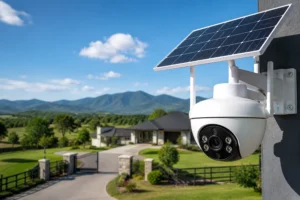
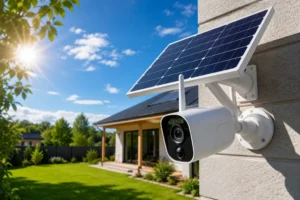
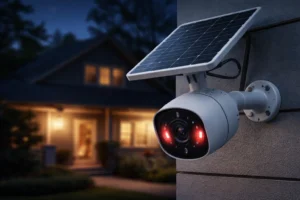
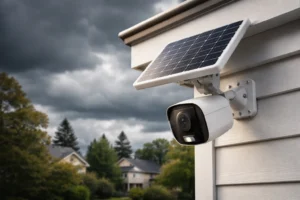
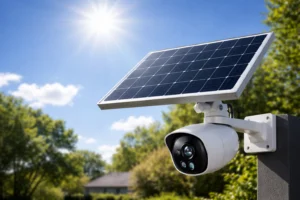
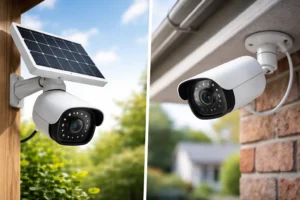
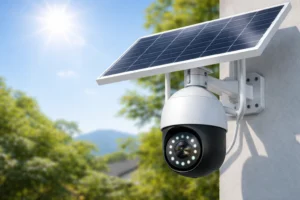
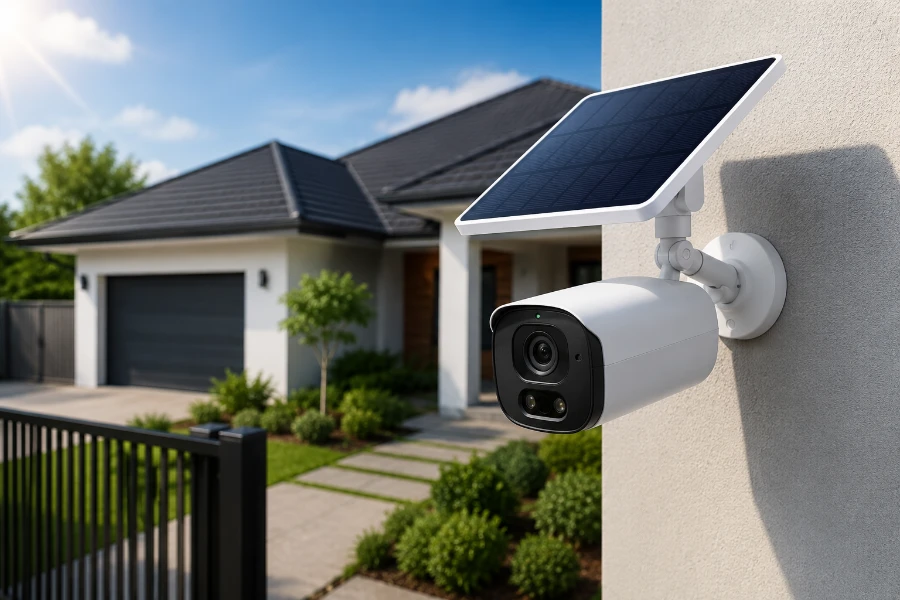
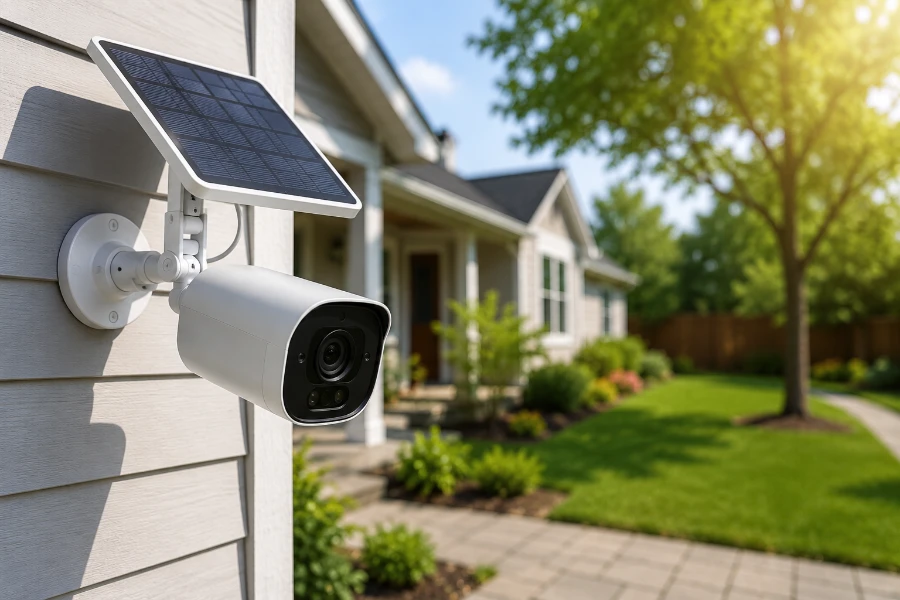
Solar powered CCTV cameras are security cameras that use solar energy to recharge built-in batteries. Instead of relying entirely on household electricity, the camera continuously gathers power from sunlight during the day.
That sounds simple. And honestly, it mostly is.
Most systems include:
- A wireless CCTV camera
- A rechargeable lithium battery
- A solar panel
- Motion sensors
- Mobile app connectivity
- Cloud or local storage
The solar panel feeds power into the battery throughout the day. The battery then powers the camera overnight or during periods of low sunlight.
This eliminates one of the biggest headaches in surveillance installation: running power cables.
For many property owners, that alone makes solar cameras attractive.
Why Solar Powered CCTV Cameras Are Becoming So Popular
There is a reason solar security systems are exploding in popularity right now. Several reasons, actually.
Installation Is Much Easier
Traditional wired CCTV systems can become expensive quickly.
You may need:
- Electricians
- Drilling
- Long cable runs
- Junction boxes
- Additional outlets
- DVR or NVR systems
Solar powered cameras simplify the process dramatically.
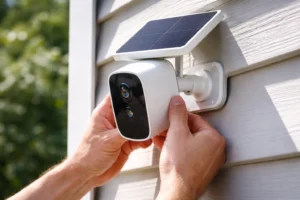
In many cases, installation becomes a basic mounting project instead of a major electrical project. That matters for homeowners who want security without tearing apart walls or ceilings.
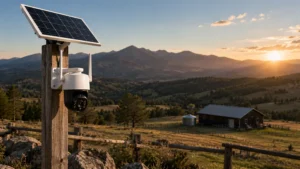
They Work Well in Remote Locations
This is where solar cameras really shine.
Think about locations like:
- Farms
- Ranches
- Construction sites
- Remote storage yards
- Cabins
- RV parking areas
- Boat docks
Running electrical wiring to these locations can be extremely expensive. Solar powered CCTV cameras solve that problem cleanly.
Lower Long-Term Energy Costs
One camera will not drastically impact your electric bill. But multiple cameras operating 24/7 absolutely add up over time.
Solar systems reduce ongoing electricity consumption while still providing consistent surveillance.
Understanding how solar charging efficiency works can help buyers position panels more effectively. The U.S. Department of Energy Solar Energy Basics resource provides a useful overview of how solar energy systems generate and store power.
Flexible Camera Placement
With wired systems, the outlet often dictates camera placement.
Solar cameras give you much more freedom.
You can position cameras where surveillance is actually needed rather than where electrical access exists.
That flexibility improves security coverage tremendously.
Are Solar Powered CCTV Cameras Actually Reliable?
This is the big question.
And honestly, reliability depends heavily on three factors:
- Sunlight exposure
- Battery quality
- Camera efficiency
A good solar camera system with proper positioning can be very reliable.
A cheap system installed in constant shade? Not so much.
Performance During Cloudy Weather
Most modern solar powered CCTV cameras are designed with battery reserves that can last several days without direct sunlight.
That is important.
A properly sized battery allows the camera to continue functioning through rain, overcast conditions, and nighttime operation.
Many quality cameras can operate for:
| Condition | Typical Runtime |
|---|---|
| Full sunlight | Continuous operation |
| Cloudy weather | 3–7 days |
| Heavy activity zones | 1–3 days |
| Low motion areas | Up to several weeks |
The amount of recorded activity matters more than people realize. Cameras recording nonstop motion events consume far more battery power than cameras in quiet areas.
Night Vision Performance
Some people assume solar cameras stop working after sunset.
Not true.
The battery powers the camera overnight, including infrared night vision systems.
Modern cameras often include:
- Infrared night vision
- Color night vision
- Motion-triggered spotlights
- Smart AI detection
Battery drain increases at night, especially when spotlights activate frequently, but good systems account for that.
Power Outage Advantages
Here is something many homeowners overlook.
Traditional wired cameras often fail during power outages unless connected to battery backup systems.
Solar powered CCTV cameras continue operating independently.
That can be a massive security advantage during storms or grid failures.
The Biggest Advantages of Solar Powered CCTV Cameras
Some benefits are obvious immediately. Others become noticeable over time.
No Electrical Wiring Needed
This is probably the biggest selling point.
You avoid:
- Trenching
- Long cable runs
- Electrical upgrades
- Complex installations
That reduces labor costs significantly.
Excellent for DIY Installation
Many systems are surprisingly user-friendly.
Basic installation usually involves:
- Mounting the bracket
- Attaching the camera
- Positioning the solar panel
- Connecting to Wi-Fi
- Pairing with the app
Done.
Portable and Relocatable
This matters more than most people expect.
Construction sites change. RV locations change. Temporary projects move constantly.
Solar powered CCTV cameras can move with them.
Smart Features Are Improving Fast
Modern solar cameras are not just simple recording devices anymore.
Many now include:
- AI human detection
- Vehicle detection
- Two-way audio
- Motion zones
- Smart notifications
- Remote live viewing
- Cloud storage
- Local SD card recording
Some systems are genuinely impressive.
Modern AI motion systems and image processing continue improving rapidly, similar to how advanced fields like Photogrammetry rely heavily on visual data accuracy and image interpretation.
The Downsides You Should Understand
Solar powered CCTV cameras are good. But pretending they are flawless would be misleading.
There are real limitations.
Sunlight Matters More Than Marketing Suggests
Manufacturers love advertising “works anywhere.”
That is not entirely true.
Poor solar exposure creates problems.
If the panel receives limited sunlight because of:
- Trees
- Roof overhangs
- Building shadows
- Poor orientation
…the battery may struggle to stay charged consistently.
Placement is critical.
Heavy Motion Zones Drain Batteries Faster
A camera facing a busy street may trigger hundreds of recordings daily.
That dramatically increases power usage.
Battery-powered systems work best when motion recording is selective rather than constant.
Continuous Recording Is Limited
Most solar powered CCTV cameras rely primarily on motion-triggered recording instead of nonstop recording.
Why?
Battery conservation.
Some advanced models support continuous recording when paired with larger solar panels and battery systems, but that increases cost substantially.
Weather Can Affect Performance
Most quality cameras handle rain and heat well. But extreme weather still matters.
Potential challenges include:
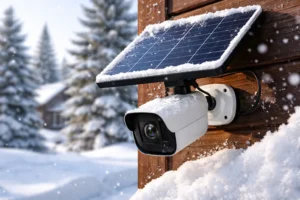
- Snow covering panels
- Dust buildup
- Hurricane debris
- Excessive heat
- Ice accumulation
Maintenance is still necessary occasionally.
Is the Video Quality Actually Good?
A few years ago, solar cameras often lagged behind wired systems in video quality.
That gap has narrowed significantly.
Modern Resolution Standards
Today, many solar powered CCTV cameras offer:
- 1080p HD
- 2K resolution
- 4MP sensors
- Even 4K on premium models
For most homeowners, 2K resolution provides excellent detail without excessive storage demands.
Night Vision Has Improved Dramatically
Older night vision systems produced blurry gray footage that looked terrible.
Newer systems are much better.
Some now include:
- Infrared LEDs
- Full-color night vision
- Smart spotlights
- Enhanced low-light sensors
The improvement is noticeable immediately.
Motion Detection Is Smarter
False alerts used to drive people crazy.
Leaves moving. Rain. Cats. Shadows.
Modern AI-based detection systems reduce those problems substantially.
Some cameras can distinguish between:
- People
- Vehicles
- Animals
- General movement
That creates more useful alerts and fewer annoying notifications.
Best Places to Use Solar Powered CCTV Cameras
Some environments are perfect for solar surveillance.
Others are less ideal.
Great Use Cases
Residential Homes
Perfect for:
- Driveways
- Front doors
- Side yards
- Detached garages
Farms and Ranches
Excellent for monitoring:
- Gates
- Livestock areas
- Equipment storage
- Remote fencing
Construction Sites
Temporary surveillance becomes much easier without wiring.
Vacation Homes
Solar cameras provide remote visibility without major infrastructure upgrades.
Warehouses and Outdoor Storage
Especially useful for areas without nearby power access.
Features You Should Look For Before Buying
Not all solar cameras are equal. Far from it.
Some are excellent. Some are junk.
Here are the features that actually matter.
Battery Capacity
Larger batteries provide:
- Longer runtime
- Better cloudy-weather performance
- Improved nighttime reliability
Battery size directly affects real-world performance.
Solar Panel Efficiency
Cheap panels charge slowly.
High-efficiency panels maintain batteries better during weak sunlight conditions.
Weatherproof Ratings
Look for IP65 or higher ratings.
That helps ensure durability against:
- Rain
- Dust
- Heat
- Outdoor exposure
Storage Options
Different systems offer different recording methods.
| Storage Type | Benefits | Drawbacks |
|---|---|---|
| SD Card | No monthly fees | Limited capacity |
| Cloud Storage | Remote access | Subscription costs |
| NVR Integration | Large storage | More complex setup |
Mobile App Quality
This gets overlooked constantly.
A bad app ruins the experience.
Good apps should provide:
- Fast live viewing
- Reliable notifications
- Simple playback
- Easy sharing
- Remote management
Solar Powered CCTV Cameras vs Wired Systems
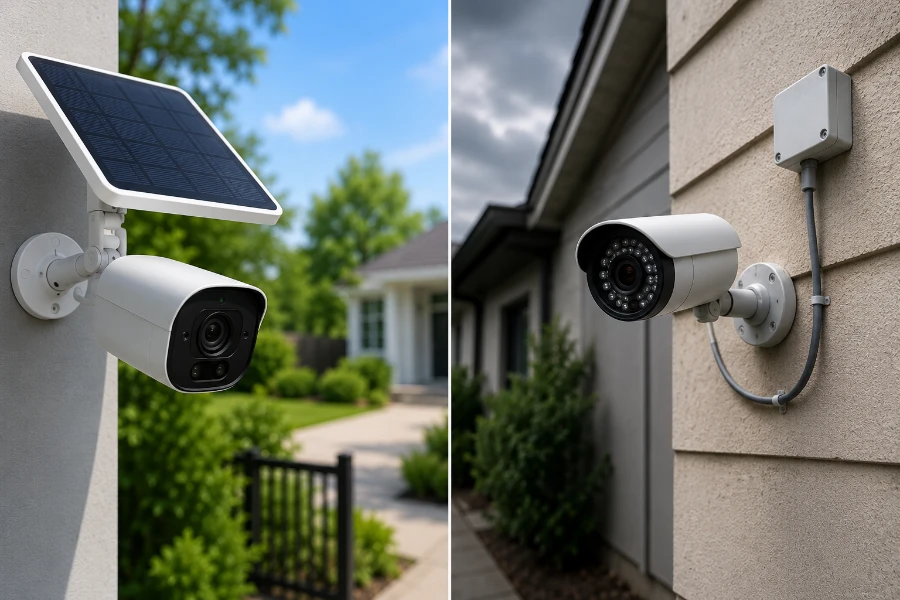
There is no universal winner.
The better option depends entirely on your property and goals.
| Feature | Solar Cameras | Wired Cameras |
|---|---|---|
| Installation | Easy | Complex |
| Mobility | High | Low |
| Power Reliability | Good | Excellent |
| Remote Placement | Excellent | Limited |
| Continuous Recording | Limited | Strong |
| Maintenance | Moderate | Lower |
| Upfront Cost | Moderate | Higher installation |
For remote monitoring, solar often wins.
For enterprise-level nonstop recording, wired systems still dominate.
Common Myths About Solar Cameras
There is a lot of outdated information floating around online.
Let’s clear some of it up.
“They Stop Working at Night”
False.
Battery storage powers nighttime operation.
“They Only Work in Hot Climates”
Not true.
Solar powered CCTV cameras work in colder regions too. Reduced winter sunlight can affect charging efficiency, but quality systems compensate with larger batteries.
“Video Quality Is Poor”
Outdated assumption.
Many modern solar cameras now rival traditional wireless systems in image quality.
“They Cannot Survive Rain”
Most outdoor-rated cameras are specifically designed for harsh weather conditions.
Are Solar Powered CCTV Cameras Worth the Money?
In many situations, absolutely.
Especially if:
- Running electrical wiring is difficult
- You need flexible placement
- The property is remote
- You want easier installation
- You need backup security during outages
But they are not ideal for every scenario.
Large commercial facilities requiring:
- Dozens of cameras
- Continuous recording
- Massive storage
- Enterprise networking
…may still benefit more from traditional wired systems.
The smartest buyers understand the intended use case before purchasing.
That matters.
Tips to Get Better Performance From Solar CCTV Cameras
A few small adjustments can dramatically improve reliability.
Position the Solar Panel Correctly
This is huge.
Aim for:
- Maximum daily sunlight
- Minimal shade
- South-facing exposure when possible
Even partial shading reduces charging efficiency.
Reduce Unnecessary Motion Triggers
Adjust motion zones carefully.
Avoid pointing cameras toward:
- Busy roads
- Trees
- Constant foot traffic
This preserves battery life.
Keep Solar Panels Clean
Dust, bird droppings, and debris reduce charging performance surprisingly fast.
Simple cleaning helps significantly.
Improve Wi-Fi Signal Strength
Weak Wi-Fi creates:
- Delayed notifications
- Poor live streaming
- Connection drops
Consider mesh systems or Wi-Fi extenders for distant camera locations.
Update Firmware Regularly
Manufacturers often release:
- Security updates
- Motion detection improvements
- Battery optimizations
- App enhancements
Keeping systems updated matters.
Final Verdict: Are Solar Powered CCTV Cameras Any Good?
Yes. Modern solar powered CCTV cameras are genuinely good when used correctly.
They are not gimmicks anymore.
For homeowners, remote properties, farms, vacation homes, temporary job sites, and many small business applications, they offer excellent flexibility and surprisingly strong performance.
The key is realistic expectations.
A quality solar camera installed in proper sunlight with good Wi-Fi coverage can deliver reliable security monitoring for years. But poor placement, weak batteries, or bargain-bin hardware can create frustrating experiences quickly.
Choose carefully.
Focus on battery size, panel efficiency, app quality, and weather resistance instead of flashy marketing promises.
Do that, and solar powered CCTV cameras can become one of the most practical security upgrades you make.
FAQs
Yes, modern solar powered CCTV cameras can provide reliable home security when installed in areas with decent sunlight and stable Wi-Fi coverage.
Yes. The solar panel charges the built-in battery during the day, allowing the camera to continue operating overnight.
Most batteries can last several days without sunlight, depending on recording activity, temperature, and battery capacity.
Some models can, but many are optimized for motion-triggered recording to conserve battery power.
Direct sunlight helps maximize charging efficiency, but many cameras can still function with partial sunlight exposure.
Most outdoor models are weather-resistant and designed to handle rain, dust, and heat, especially cameras with IP65 or higher ratings.
Yes, some models support local recording through SD cards or cellular data connections, although remote viewing features may require internet access.
No. Most systems are designed for simple DIY installation with basic mounting tools and mobile app setup.
Maintenance is usually minimal and mainly involves cleaning the solar panel occasionally and checking battery performance over time.
For remote properties, homes, farms, and areas without easy electrical access, they can be a cost-effective and highly practical security solution.