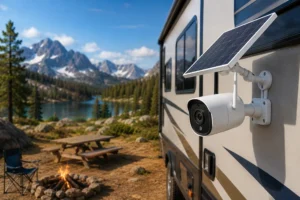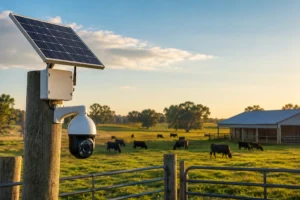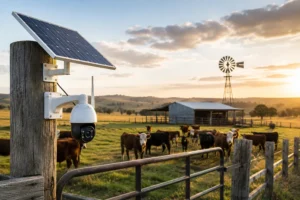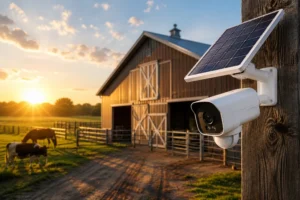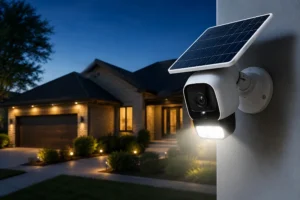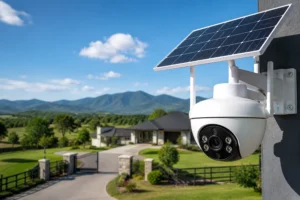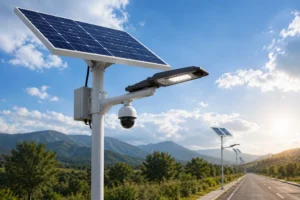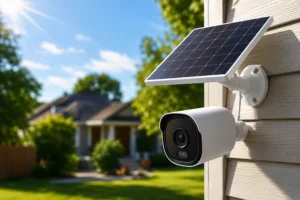
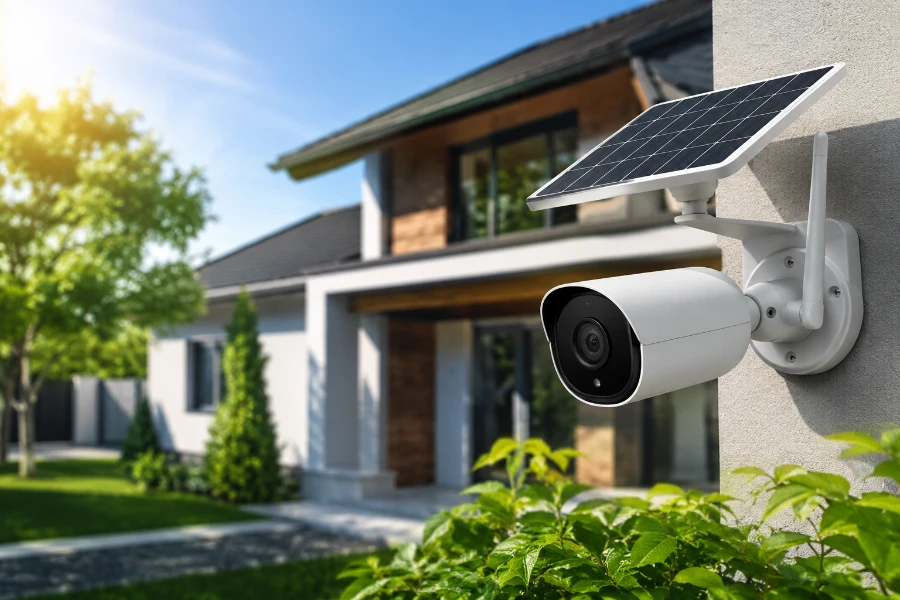
If you have been researching modern surveillance systems lately, you have probably asked yourself: are solar powered security cameras any good? The short answer is yes — in many situations, they are surprisingly effective. But there is nuance here. Solar cameras are not magic devices that work perfectly in every condition. They have strengths. They also have limitations.
Still, for homeowners, construction companies, farm owners, and businesses looking for flexible surveillance, solar powered systems have become one of the most practical security upgrades available today.
And honestly? The technology has improved dramatically over the past few years.
Older solar cameras struggled with weak batteries, blurry video, and unreliable charging. That reputation still lingers online. But newer systems are far more capable. Better batteries. Smarter motion detection. Stronger wireless connections. Higher-quality night vision. Faster charging panels.
The result is a security option that works incredibly well when installed correctly.
Let’s break down exactly how these cameras perform in the real world, where they work best, and whether they are actually worth your money.
Understanding How Solar Powered Security Cameras Work
At their core, solar security cameras are fairly simple systems.
They combine four main components:
- A security camera
- A rechargeable battery
- A solar panel
- Wireless connectivity
The solar panel collects energy from sunlight during the day. That energy charges the internal battery. The battery then powers the camera continuously, including during nighttime hours.
Simple concept. Smart execution.
Most modern solar cameras use motion-triggered recording instead of recording nonstop. This is important because continuous recording drains batteries quickly. Motion activation helps preserve energy while still capturing important activity.
Some advanced models now support limited continuous recording, but motion-triggered systems remain the most common and most efficient setup.
Here’s a quick comparison between wired and solar systems:
| Feature | Solar Security Cameras | Traditional Wired Cameras |
| Power Source | Solar + battery | Electrical wiring |
| Installation Difficulty | Easier | More complex |
| Mobility | Very flexible | Fixed location |
| Outage Protection | Often continues working | May fail without backup |
| Long-Term Energy Costs | Lower | Higher |
| Ideal for Remote Areas | Excellent | Limited |
This flexibility is one reason why the question “are solar powered security cameras any good” keeps showing up online. People want security without complicated installation headaches.
Why Solar Cameras Are Becoming So Popular
There is a reason solar surveillance is growing rapidly.
Actually, several reasons.
Rising Electricity Costs
Nobody enjoys adding another device to their power bill. Traditional surveillance systems consume electricity 24/7, especially multi-camera setups.
Solar cameras reduce that burden significantly.
One camera may not create a massive savings difference on its own. But large properties with multiple cameras can absolutely notice reduced energy consumption over time.
According to the U.S. Department of Energy Solar Basics, solar energy adoption continues growing across residential and commercial applications as more property owners look for long-term efficiency and greater energy independence.
Easier Installation
This is where solar cameras shine.
You do not need to tear into walls. No trench digging. No complicated electrical routing and no hiring electricians for many installations.
That convenience matters.
A homeowner can often install a solar powered camera in under an hour.
For construction sites and temporary locations, the speed advantage becomes even more valuable.
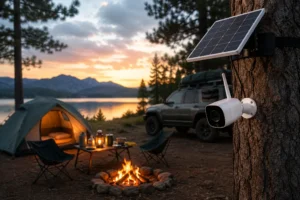
Perfect for Remote Locations
Some places simply do not have accessible power.
Think about:
- Farms
- Cabins
- Vacation homes
- Construction sites
- RV storage yards
- Remote gates
- Barns
- Boat docks
Running electrical wiring to those areas can become expensive very quickly. Solar eliminates much of that challenge.
Eco-Friendly Appeal
Many property owners also appreciate the environmental angle.
Solar systems reduce grid dependency and use renewable energy. While security cameras alone will not transform your carbon footprint, every small reduction in energy consumption helps.
And frankly, people like the idea of self-sustaining technology.
The Biggest Advantages of Solar Powered Security Cameras
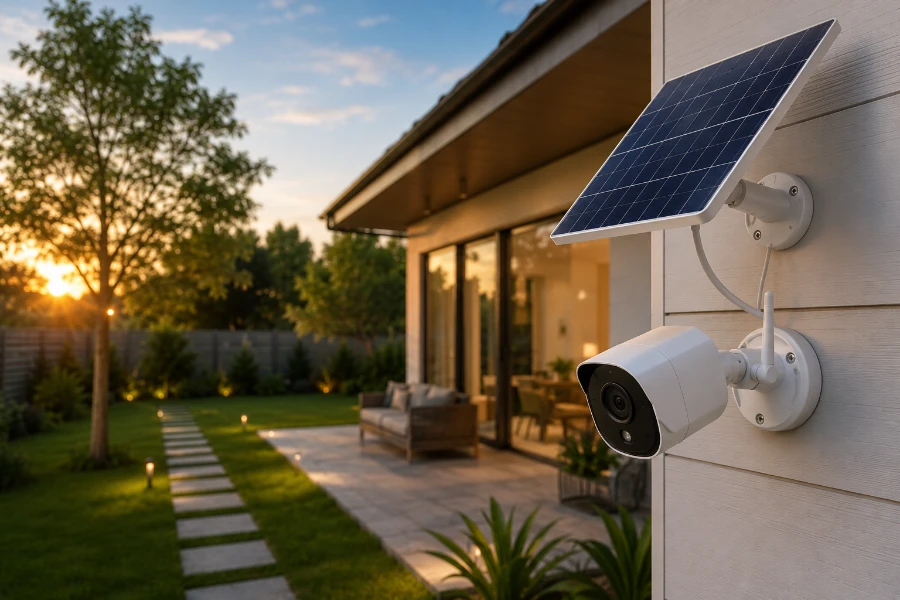
When people ask are solar powered security cameras any good, they are usually asking whether the benefits outweigh the compromises.
In many cases, they absolutely do.
Flexible Placement
This might be the single biggest advantage.
Traditional cameras must stay near electrical access. Solar cameras can go almost anywhere with decent sunlight exposure.
That opens up a huge range of possibilities.
You can monitor:
- Long driveways
- Fence lines
- Detached garages
- Storage buildings
- Entry gates
- Construction equipment
- Livestock areas
The freedom is incredibly useful.
Lower Installation Costs
Electrical work gets expensive fast.
Solar powered cameras often eliminate:
- Wiring labor
- Electrical permits
- Trenching expenses
- Conduit installation
- Additional breakers
For larger properties, those savings can become substantial.
Continued Operation During Power Outages
Storms knock out power constantly.
A wired system without backup batteries may fail immediately during an outage. Solar cameras with internal batteries can often continue operating.
That matters because many security risks increase during outages.
Wireless Convenience
Most solar systems now integrate directly with mobile apps.
You can:
- Watch live video
- Receive alerts
- Adjust settings
- Talk through two-way audio
- Save recordings remotely
All from your phone.
It feels surprisingly seamless once configured properly.
The Downsides Nobody Should Ignore
Solar cameras are useful. But they are not flawless.
Some marketing materials oversell the technology. Let’s keep this realistic.
Sunlight Matters — A Lot
This is obvious, but people still underestimate it.
Poor sunlight equals weaker charging performance.
Heavy shade, long winters, constant rain, or improper panel placement can create battery issues.
If the camera receives limited sunlight day after day, eventually performance suffers.
That does not mean solar cameras fail in cloudy climates. Many still work well. But sunlight availability absolutely affects reliability.
Battery Limits Exist
Every battery has limits.
Heavy motion activity drains power faster. Cold weather also impacts battery efficiency.
If your camera constantly records motion — busy streets, moving trees, active job sites — battery performance may decrease more quickly than expected.
Wi-Fi Can Become the Weak Link
Many solar powered systems rely heavily on wireless connectivity.
Weak Wi-Fi creates:
- Delayed notifications
- Video lag
- Missed recordings
- Connection interruptions
The camera itself may work perfectly while the network struggles.
That distinction matters.
Higher Upfront Cost
Good solar cameras are not always cheap.
Quality systems often cost more initially than basic wired models. However, installation savings and reduced electrical costs can offset that over time.
Cheap models are where many buyers get disappointed.
Low-quality batteries and poor solar panels create frustration quickly.
Are Solar Powered Security Cameras Reliable?
This is the real question.
Not just “are solar powered security cameras any good,” but are they dependable enough for real security?
Usually, yes.
When properly installed.
The biggest factor is setting realistic expectations.
Motion Recording vs Continuous Recording
Most solar cameras are designed around motion-triggered surveillance.
That works well for:
- Homes
- Vacation properties
- Construction sites
- Small businesses
- Rural properties
But if you need nonstop 24/7 recording across multiple cameras, traditional wired systems still have advantages.
Battery technology is improving rapidly, though. Some hybrid solar systems now support extended recording modes with larger external batteries.
Modern surveillance discussions sometimes become surprisingly technical, involving data interpretation, reliability analysis, and evidence evaluation similar to concepts explored in Epistemology. Buyers are no longer just looking for cameras. They want dependable systems that consistently produce trustworthy information.
Climate Plays a Major Role
Different climates create different challenges.
Hot Climates
Excessive heat can reduce long-term battery lifespan.
Cold Climates
Freezing temperatures reduce battery efficiency temporarily.
Rainy Environments
Frequent cloud cover may reduce charging consistency.
Still, many modern solar cameras are designed to operate across extreme weather conditions. Quality matters enormously here.
Proper Installation Makes All the Difference
A poorly positioned solar panel can ruin performance.
For best results:
- Face panels toward maximum sunlight exposure
- Avoid tree shade
- Tilt panels properly
- Keep panels clean
- Reduce unnecessary motion triggers
Small adjustments can dramatically improve reliability.
Best Places to Use Solar Security Cameras
Solar cameras are not ideal everywhere. But in certain environments, they are incredibly effective.
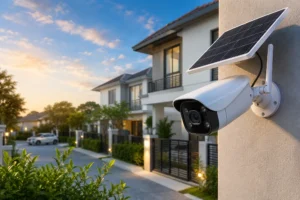
Residential Homes
Homeowners use solar cameras for:
- Front doors
- Backyard monitoring
- Driveways
- Side gates
- Detached garages
The easy installation appeals to many DIY users.
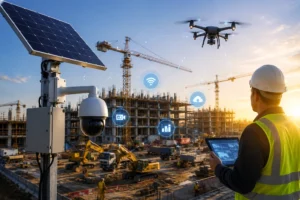
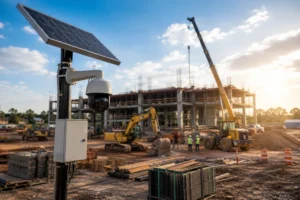
Construction Sites
Construction theft is a massive problem.
Solar cameras help monitor:
- Equipment
- Materials
- Trespassing
- Deliveries
- Overnight activity
And because they are wireless, they can move as the project evolves.
That flexibility is huge.
Farms and Rural Properties
Running power across acres of land gets expensive.
Solar systems work well for:
- Barns
- Livestock areas
- Remote gates
- Equipment sheds
- Fence monitoring
Many agricultural properties now rely heavily on solar surveillance.
Vacation Homes
Vacant properties create security concerns.
Solar powered systems allow owners to monitor homes remotely without relying heavily on the local power infrastructure.
That peace of mind matters.
Features That Actually Matter When Buying One
Not all solar cameras perform equally.
Some features are genuinely important.
Others are mostly marketing noise.
Battery Capacity
Bigger batteries generally provide:
- Longer runtime
- Better cloudy-weather performance
- More reliable nighttime operation
Battery size matters more than flashy advertising claims.
Solar Panel Efficiency
A stronger panel charges faster.
This becomes especially important during:
- Winter
- Cloudy conditions
- High-traffic recording periods
Video Resolution
Higher resolution improves image clarity.
Here is a basic breakdown:
| Resolution | Best Use |
| 1080p | Standard home use |
| 2K | Better detail and zoom |
| 4K | Large properties and advanced surveillance |
For most homeowners, 2K offers an excellent balance.
Night Vision
Night performance matters more than daytime quality in many cases.
Look for:
- Infrared night vision
- Color night vision
- Motion spotlight integration
Good night footage can make or break a security system.
Weather Resistance
Outdoor cameras must survive harsh conditions.
Look for strong IP ratings such as:
- IP65
- IP66
- IP67
These indicate protection against rain, dust, and weather exposure.
Are Solar Powered Security Cameras Worth the Money?
For many buyers, yes.
Especially in the right environment.
They Make Sense When:
- Wiring is difficult
- Remote monitoring is needed
- Temporary surveillance is required
- Power outages are common
- Flexible placement matters
They May Not Be Ideal When:
- Constant 24/7 recording is critical
- Extremely high-security facilities are involved
- Sunlight exposure is poor year-round
- Large enterprise systems are needed
The answer depends heavily on your goals.
A rural property owner may absolutely love solar cameras.
A massive commercial warehouse may still prefer hardwired infrastructure.
Common Mistakes Buyers Make
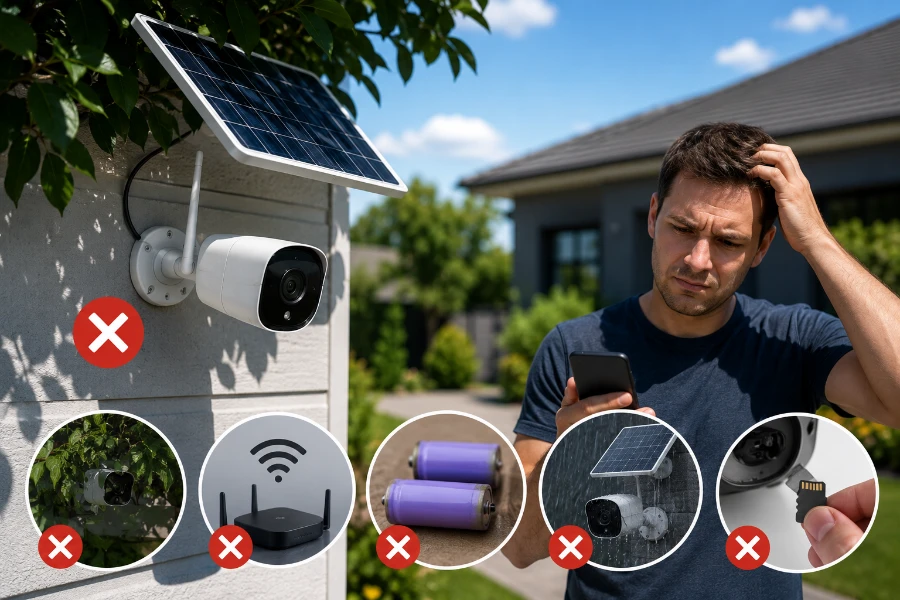
People often blame cameras for problems caused by poor setup decisions.
I see this constantly.
Installing Panels in Shade
Even partial shade reduces charging efficiency dramatically.
Ignoring Wi-Fi Signal Strength
A great camera cannot compensate for terrible internet coverage.
Buying the Cheapest Model Available
Low-cost batteries often fail early.
Cheap sensors create poor motion detection.
Weak apps become frustrating fast.
Expecting Unlimited Recording
Battery-powered systems require smart energy management.
Understanding that helps avoid disappointment.
Tips for Getting the Best Performance
Small improvements can make a huge difference.
Position the Camera Carefully
Avoid pointing directly at:
- Busy roads
- Swaying trees
- Constant movement areas
Too much motion drains batteries rapidly.
Clean the Solar Panel
Dust, leaves, and debris reduce charging efficiency.
Simple maintenance matters.
Update Firmware
Manufacturers regularly improve:
- Detection accuracy
- Battery management
- Security protections
- Connectivity stability
Updates are worth installing.
Use Supplemental Lighting
Motion-activated lighting can improve nighttime video clarity significantly.
Especially on larger properties.
Future Trends in Solar Security Technology
This industry is evolving fast.
Very fast.
The next generation of solar surveillance will likely include:
- Better AI object recognition
- Longer battery life
- Faster charging panels
- Improved low-light recording
- Smarter automation
- Better cellular connectivity
Some newer systems already use AI to distinguish:
- People
- Vehicles
- Animals
- Package deliveries
That reduces false alerts dramatically.
And honestly, the technology is becoming much smarter than many people realize.
Final Verdict: Are Solar Powered Security Cameras Any Good?
So, are solar powered security cameras any good?
Yes. In the right setup, they are excellent.
They offer flexibility, lower installation complexity, reduced energy usage, and impressive convenience. For homes, farms, construction sites, and remote properties, they can be incredibly effective.
But they are not perfect for every situation.
Sunlight matters. Battery limitations exist. Wi-Fi quality matters more than many buyers expect.
Still, modern solar surveillance systems have come a long way. When installed properly and matched to the right environment, they provide dependable security with surprisingly little maintenance.
For many property owners, that combination is hard to beat.
And judging by how quickly the technology keeps improving, solar powered security cameras are only getting better from here.
FAQs
Yes, they can be very effective for home security, especially in areas with good sunlight and stable Wi-Fi coverage.
Yes. Most models store solar energy in rechargeable batteries, allowing the cameras to continue operating after sunset.
Most solar cameras perform best with a few hours of direct sunlight daily, although battery size and panel efficiency also matter.
Yes, but prolonged cloudy conditions may reduce charging efficiency and shorten battery runtime if sunlight remains limited for several days.
Not usually. Many systems are designed for DIY installation and require far less wiring than traditional wired cameras.
Most models use Wi-Fi for remote viewing and notifications, although some advanced systems can operate using cellular connections instead.
Some high-end models can, but many solar powered cameras rely on motion-triggered recording to conserve battery life.
Most outdoor solar cameras are weather-resistant and built to handle rain, dust, and heat, especially models with strong IP ratings.
Yes. Their wireless flexibility and easy relocation make them especially useful for temporary job sites and equipment monitoring.
For many property owners, yes. Lower installation costs, reduced energy use, and flexible placement often make them a smart long-term investment.