Solar-powered surveillance has exploded in popularity over the past few years. And honestly, it makes sense. People want security cameras that are easier to install, cheaper to operate, and less dependent on complicated wiring. That is exactly why many homeowners now ask the same question: are solar security cameras any good?
The short answer? Yes — but with realistic expectations.
A good solar camera can provide reliable surveillance, remote monitoring, motion alerts, and nighttime recording without increasing your electric bill or requiring extensive wiring. For many homes, farms, cabins, job sites, and small businesses, solar-powered security cameras are incredibly practical.
Still, they are not perfect.
Performance depends heavily on sunlight exposure, battery quality, Wi-Fi strength, weather conditions, and where the camera is installed. Buy the wrong model or place it poorly, and frustration arrives fast. Buy the right system and install it correctly, though, and solar cameras can become one of the easiest security upgrades you make.
Let’s break down how they actually perform in the real world.
What Are Solar Security Cameras?
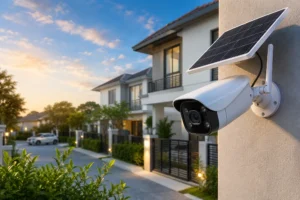
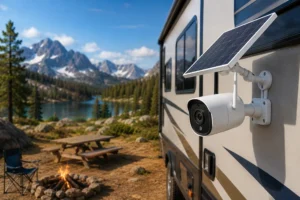
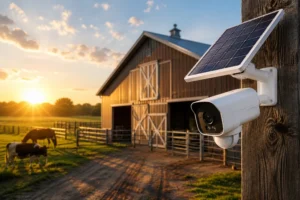
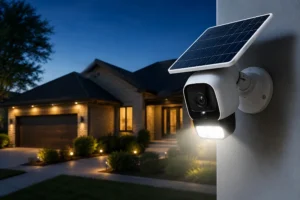
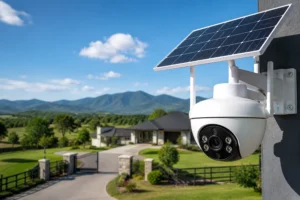
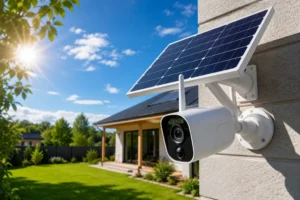
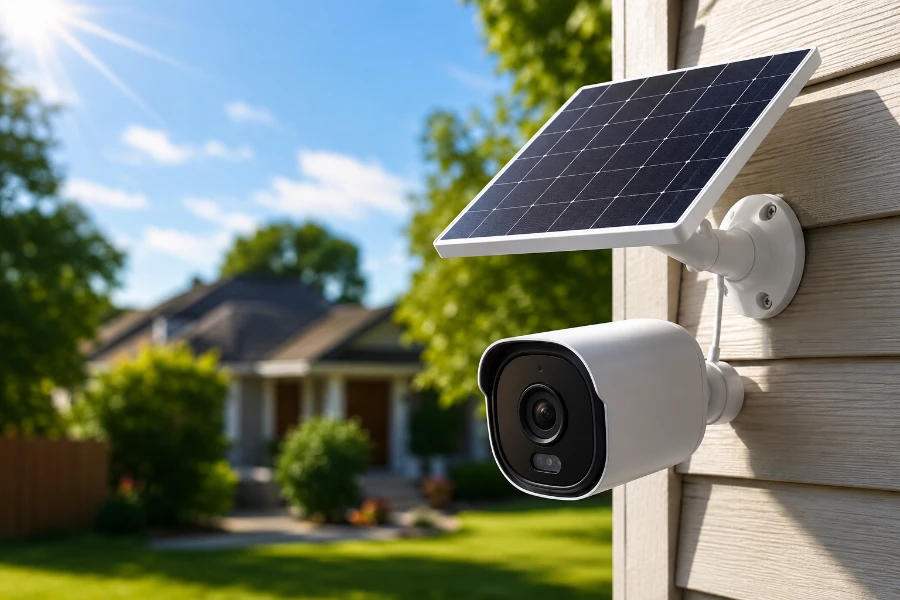
Solar security cameras are wireless surveillance cameras powered primarily by sunlight through attached or integrated solar panels. Instead of relying entirely on traditional electrical wiring, these systems store solar energy inside rechargeable batteries.
Most modern systems include:
- A camera unit
- Rechargeable battery
- Solar charging panel
- Wi-Fi or cellular connection
- Mobile app access
- Motion detection technology
The concept is simple. Sunlight charges the battery during the day. The battery powers the camera during the night or cloudy conditions.
Modern solar security cameras rely on advanced photovoltaic technology to convert sunlight into usable electricity efficiently. Improvements in solar charging design have helped modern systems become much more dependable than older generations.
That makes installation dramatically easier compared to traditional wired systems.
Why Solar Security Cameras Became So Popular
Convenience changed everything.
Traditional surveillance systems often require drilling, attic access, electrical work, conduit installation, and professional labor. Solar systems remove much of that complexity.
For many property owners, installation is the biggest selling point.
Easier Installation
Most solar cameras can be installed in under an hour.
You typically mount the camera, position the solar panel, connect the app, and start monitoring immediately. No electrician. No trenching and no wall fishing.
That flexibility matters.
Especially for:
- Detached garages
- Backyard sheds
- Farms
- Gates
- Construction sites
- Vacation homes
- RV properties
In many situations, wired systems are simply impractical.
Lower Operating Costs
One overlooked benefit is ongoing energy savings.
Solar security cameras consume very little electricity compared to larger wired systems with continuous recording servers. Over time, the savings add up, especially for multi-camera properties.
No massive energy draw. No complicated infrastructure.
Just sunlight.
According to the The U.S. Department of Energy (DOE), solar energy systems continue becoming more efficient and affordable, which has helped improve the reliability and accessibility of solar-powered devices across residential and commercial properties.
Are Solar Security Cameras Actually Reliable?
This is the question that really matters.
And the answer depends on the environment and setup quality.
A well-installed solar camera with good sunlight exposure can perform surprisingly well year-round. But poor positioning or cheap hardware can create problems quickly.
Performance During Sunny Conditions
In good weather, solar cameras usually perform extremely well.
Direct sunlight continuously replenishes battery reserves throughout the day, which allows the camera to maintain stable operation even with frequent motion alerts and recordings.
Most high-quality systems only need a few hours of direct sunlight daily to maintain battery levels.
That surprises many people.
You do not necessarily need blazing sunlight all day long.
What Happens During Cloudy Weather?
Modern solar cameras are designed with battery storage specifically for cloudy days.
Most quality systems can operate for several days without direct sunlight depending on:
- Motion activity
- Video resolution settings
- Night vision usage
- Temperature
- Battery size
However, this is where cheaper systems often fail.
Low-end cameras usually have:
- Smaller batteries
- Poor solar charging efficiency
- Weak power management
- Inconsistent firmware
That combination leads to dead batteries during extended cloudy periods.
Premium systems generally handle weather fluctuations much better.
Can Solar Security Cameras Work at Night?
Absolutely.
This is one of the biggest misconceptions.
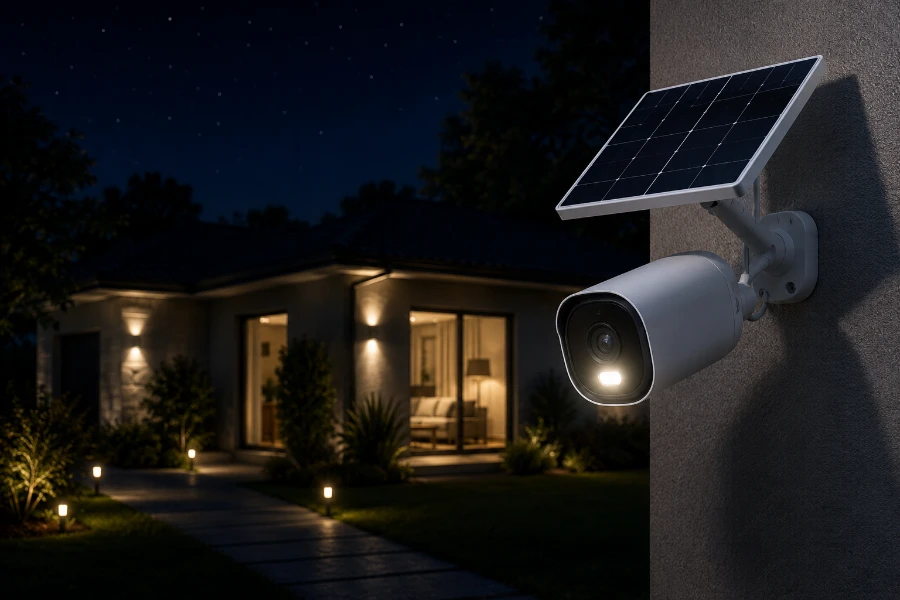
Solar panels do not power the camera directly in real time during darkness. Instead, the panel charges the battery during the day, and the battery powers nighttime operation.
Most solar security cameras include:
- Infrared night vision
- Motion-triggered spotlights
- Color night vision
- Smart motion recording
Night recording quality has improved dramatically over the past few years.
Some newer cameras now produce surprisingly clear nighttime footage even in low-light conditions.
Biggest Advantages of Solar Security Cameras
Some benefits are obvious. Others become apparent only after long-term use.
Completely Wire-Free Flexibility
This is the game changer.
You can place cameras in locations where running power cables would normally be expensive or impossible.
That opens up entirely new security possibilities.
Examples include:
| Location | Why Solar Works Well |
| Farm entrances | No nearby electrical access |
| Detached garages | Avoid trenching power lines |
| Construction sites | Temporary surveillance |
| Remote cabins | Off-grid operation |
| Large properties | Easier camera expansion |
That level of placement freedom is hard to ignore.
Excellent During Power Outages
Traditional wired systems can fail during outages unless backup power exists.
Solar systems with internal batteries often continue functioning normally.
For storm-prone areas, this becomes a major advantage.
Especially during:
- Hurricanes
- Severe storms
- Grid failures
- Rural outages
In some cases, solar cameras may remain operational longer than the home’s main electrical system.
Faster DIY Installation
Many homeowners install solar security cameras themselves.
And honestly, most systems are designed specifically for non-professionals.
The process is usually straightforward:
- Mount the bracket
- Attach the camera
- Position the solar panel
- Connect to the app
- Test motion detection
That simplicity reduces installation costs significantly.
The Limitations Nobody Talks About Enough
Solar cameras are good. Sometimes very good.
But they are not magical.
Sunlight Exposure Matters More Than People Realize
This is probably the biggest factor affecting long-term reliability.
If the solar panel receives limited sunlight because of:
- Trees
- Roof overhangs
- Fence shadows
- North-facing placement
- Heavy cloud coverage
…the battery may struggle to stay charged.
Proper panel placement is critical.
A poorly positioned solar panel can make even premium cameras unreliable.
Battery Degradation Happens
All rechargeable batteries degrade eventually.
That is unavoidable.
Most quality batteries last several years before noticeable capacity loss occurs, but replacement may eventually become necessary.
Extreme temperatures accelerate degradation.
Especially:
- Intense summer heat
- Freezing winters
- Constant high humidity
This is why climate matters when evaluating whether solar security cameras are any good for your property.
Wi-Fi Problems Can Affect Performance
Many people blame the camera when the real issue is weak internet coverage.
Solar cameras still need stable connectivity unless using cellular models.
Common issues include:
- Weak backyard Wi-Fi
- Router distance
- Interference
- Poor mesh coverage
Sometimes the fix is simply adding a Wi-Fi extender.
Solar Cameras vs Wired Cameras
Both systems have strengths.
Neither is universally better.
Installation Comparison
| Feature | Solar Cameras | Wired Cameras |
| Installation difficulty | Easy | Moderate to difficult |
| Electrical work | Usually none | Often required |
| Mobility | Very flexible | Fixed locations |
| DIY friendliness | High | Moderate |
Solar clearly wins for simplicity.
Reliability Comparison
Wired systems still hold advantages for:
- Continuous 24/7 recording
- Enterprise systems
- High-traffic commercial surveillance
- Large-scale multi-camera networks
Solar cameras work best for motion-triggered surveillance rather than nonstop recording.
That distinction matters.
Cost Comparison
Initial costs vary widely.
However, solar systems often reduce:
- Installation labor
- Electrical upgrades
- Maintenance complexity
For smaller properties, solar can actually become the more affordable option overall.
Features That Actually Matter When Buying
Many marketing claims are exaggerated.
Focus on practical performance instead.
Battery Capacity
Bigger batteries generally mean:
- Better cloudy-day performance
- Longer nighttime operation
- Improved winter reliability
Battery size matters more than flashy advertising.
Video Resolution
Higher resolution improves identification quality.
Common options include:
- 1080p
- 2K
- 4K
For most homeowners, 2K provides a strong balance between image quality and storage efficiency.
Weather Resistance
Outdoor cameras should have at least:
- IP65 rating
- IP66 rating
These ratings help protect against rain, dust, and outdoor exposure.
Motion Detection Accuracy
Smart AI detection has improved dramatically.
Better systems can distinguish between:
- Humans
- Animals
- Vehicles
- Random motion
That reduces annoying false alerts significantly.
Are Solar Security Cameras Good for Homeowners?
In many cases, yes.
Especially for homeowners wanting easier surveillance upgrades without major construction work.
Solar cameras work extremely well for:
Front Door Monitoring
Motion alerts and package monitoring have become major use cases.
Driveway Surveillance
A properly positioned solar camera can monitor vehicles, visitors, and deliveries effectively.
Backyard Security
This is where wire-free installation becomes incredibly useful.
Running power across a backyard is often expensive and frustrating.
Solar avoids that entirely.
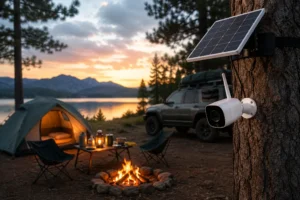
Vacation Homes
Remote properties benefit enormously from solar-powered surveillance.
You can monitor:
- Cabins
- Lake houses
- RV properties
- Seasonal homes
…without relying heavily on existing infrastructure.
Are Solar Security Cameras Good for Businesses?
They can be excellent for specific business environments.
Especially temporary or remote locations.
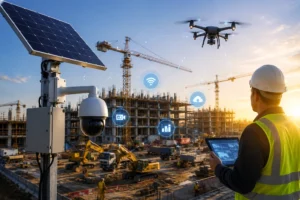
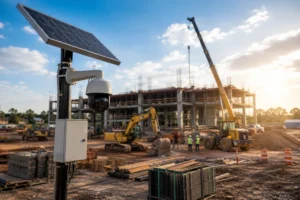
Construction Sites
Solar cameras are extremely common on job sites now.
Why?
Because construction sites often lack permanent power early in development.
Solar systems provide:
- Theft deterrence
- Equipment monitoring
- Remote oversight
- Temporary deployment flexibility
Agricultural Properties
Large rural properties benefit heavily from solar surveillance.
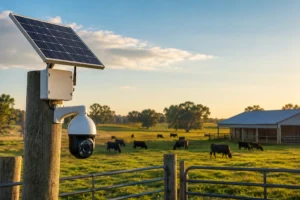
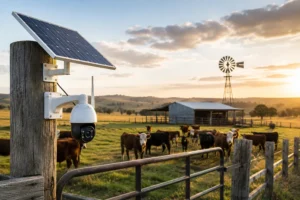
Farm owners often use them for:
- Livestock monitoring
- Equipment storage
- Gate access
- Fence line observation
Wired systems across massive acreage become expensive quickly.
Solar simplifies expansion.
How Long Do Solar Security Cameras Last?
Quality matters enormously here.
A good system can last several years with proper maintenance.
Typical lifespan estimates:
| Component | Average Lifespan |
| Camera hardware | 5–10 years |
| Solar panel | 15–25 years |
| Rechargeable battery | 2–5 years |
Battery replacement is usually the first major maintenance item.
Fortunately, many systems now allow battery swaps fairly easily.
Tips to Get Better Performance
Installation quality directly affects long-term satisfaction.
Small adjustments can make huge differences.
Position Solar Panels Carefully
Aim for maximum direct sunlight exposure.
Avoid:
- Tree shade
- Roof shadows
- Obstructed angles
Even partial shading reduces charging efficiency noticeably.
Clean Panels Periodically
Dust, pollen, bird droppings, and debris reduce charging performance.
Simple cleaning improves efficiency.
Usually, a soft cloth and water are enough.
Optimize Motion Detection Settings
Overly sensitive settings drain batteries faster.
Adjust:
- Detection zones
- Sensitivity
- Recording length
This helps preserve battery life significantly.
Consider Cellular Models for Remote Areas
Some solar cameras use LTE instead of Wi-Fi.
These are excellent for:
- Farms
- Cabins
- Remote gates
- Off-grid properties
No nearby router required.
Are Cheap Solar Security Cameras Worth Buying?
Sometimes.
But there is risk.
The cheapest systems often struggle with:
- Weak batteries
- Slow apps
- Poor night vision
- Inconsistent charging
- Delayed alerts
- Firmware instability
That becomes frustrating fast.
Spending slightly more often delivers dramatically better reliability.
This is one product category where ultra-cheap purchases frequently disappoint.
Situations Where Solar Cameras Make the Most Sense
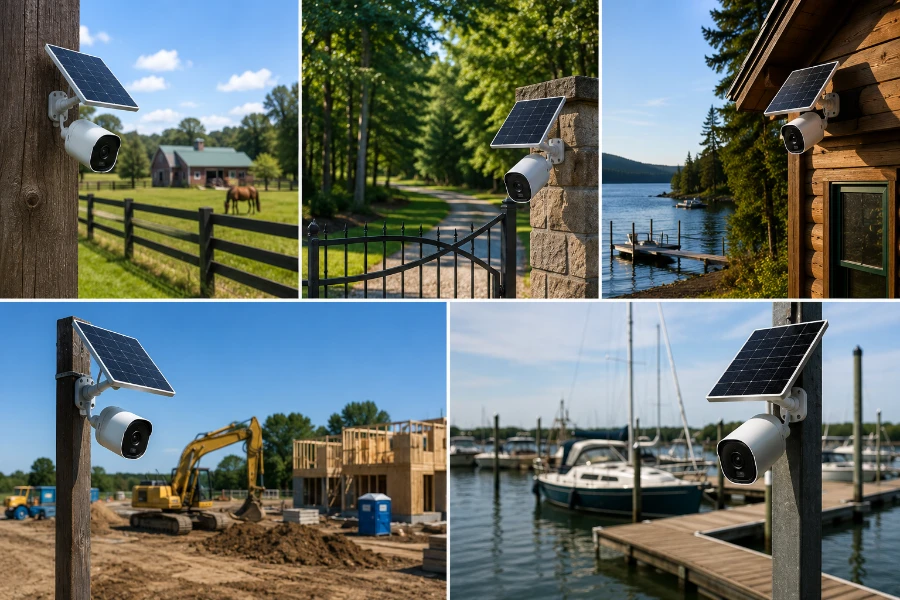
Solar-powered surveillance performs best when:
- Power access is difficult
- Fast installation matters
- Temporary monitoring is needed
- Remote property coverage is important
- DIY installation is preferred
These systems shine in practical, flexible environments.
Not necessarily massive enterprise facilities.
Situations Where Wired Systems Still Win
Wired systems remain superior for:
- 24/7 nonstop recording
- Large commercial properties
- Heavy camera density
- Ultra-high bandwidth systems
- Extremely shaded areas
If constant uninterrupted recording is critical, wired may still be the better choice.
Final Verdict: Are Solar Security Cameras Any Good?
Yes — for the right application, they are very good.
Modern solar-powered surveillance systems are far more capable than many people realize. Battery technology improved. Motion detection improved. Night vision improved. Mobile apps improved.
The gap between wired and solar systems has narrowed significantly.
Still, success depends on choosing the right setup.
If you install quality cameras with good sunlight exposure and strong connectivity, solar security cameras can provide dependable monitoring for years with minimal hassle. They are especially valuable for homeowners, farms, remote properties, construction sites, and locations where traditional wiring would be difficult or expensive.
But realistic expectations matter.
Solar cameras are not invincible. Poor sunlight, weak Wi-Fi, cheap batteries, and bad placement can absolutely create problems.
That said, when people ask me whether solar security cameras are any good, the answer is usually straightforward: for many properties, they are one of the smartest and easiest modern security upgrades available today.
FAQs
Yes, solar security cameras can be very effective for home security when installed in areas with adequate sunlight and strong internet connectivity.
Most quality solar cameras store energy in rechargeable batteries, allowing them to continue operating for several days even with limited sunlight.
Yes, solar cameras use stored battery power at night and typically include infrared or color night vision features for low-light recording.
Most models only need a few hours of direct sunlight daily to maintain battery levels under normal usage conditions.
No, many solar-powered cameras are designed for simple DIY installation without needing electrical wiring or professional help.
Most models use Wi-Fi for remote viewing and alerts, but some advanced versions use cellular LTE connections for remote locations.
Rechargeable batteries typically last between 2 to 5 years depending on weather, usage frequency, and battery quality.
Most outdoor solar cameras are weather-resistant and built with IP65 or IP66 ratings to handle rain, dust, and outdoor conditions.
Yes, since they rely on solar charging and internal batteries, they can often continue operating during electrical outages.
Higher-quality systems usually offer better battery life, clearer video, stronger apps, and more reliable performance over time.