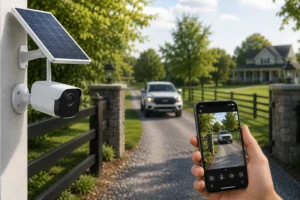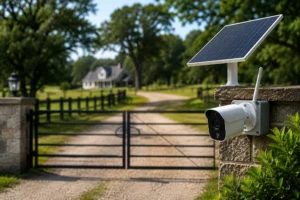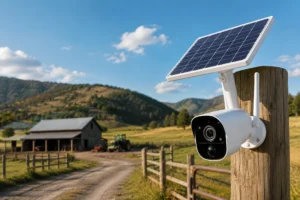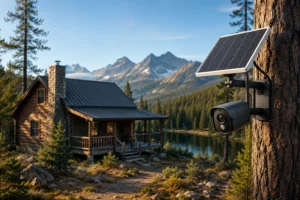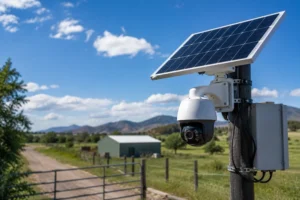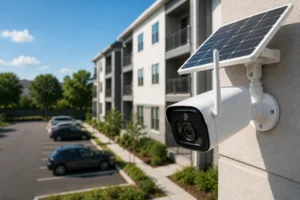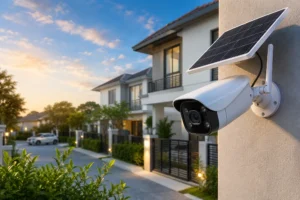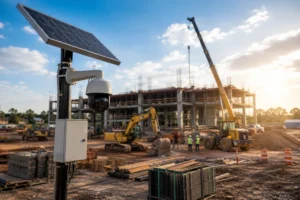
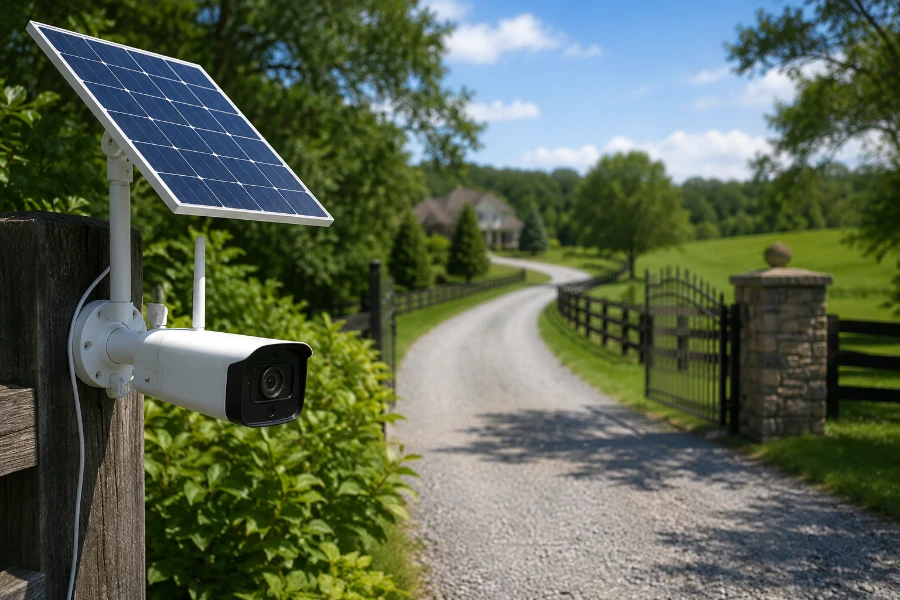
A solar driveway camera is no longer a specialty security device reserved for farms and off-grid properties. Today, it has become one of the most practical ways to monitor entrances, driveways, gates, and private roads without the expense of running electrical wiring across a property.
Think about your driveway for a moment. Every visitor, delivery driver, contractor, family member, and unexpected guest enters through that space. It is the gateway to your home or business. If you can effectively monitor that area, you gain valuable visibility into nearly every activity occurring on your property.
That is why more homeowners and business owners are investing in a solar driveway camera. It combines renewable energy, wireless connectivity, smart monitoring features, and simple installation into one powerful security solution.
Whether you own a suburban home, a rural property, a farm, a warehouse, or a vacation cabin, a solar driveway camera can provide reliable surveillance without the limitations of traditional wired systems.
What Is a Solar Driveway Camera?
A solar driveway camera is a wireless security camera powered primarily by solar energy. Instead of relying on household electricity, it uses a solar panel to charge an internal battery that keeps the camera running around the clock.
Most systems include:
- A security camera
- A solar charging panel
- Rechargeable battery storage
- Motion detection sensors
- Wireless connectivity
- Mobile monitoring software
The beauty of this setup is its simplicity.
Once installed, the camera generates its own power and requires very little ongoing maintenance. For driveways located hundreds of feet from the nearest electrical outlet, this can be a game changer.
How It Differs from Traditional Security Cameras
Traditional surveillance systems typically require power cables, network cables, or both.
A solar driveway camera does not.
This creates significant advantages for property owners.
| Feature | Traditional Camera | Solar Driveway Camera |
| Electrical Wiring | Required | Not Required |
| Installation Cost | Higher | Lower |
| Remote Property Use | Limited | Excellent |
| Relocation Flexibility | Low | High |
| Power Outage Protection | Limited | Better |
For properties with long driveways or remote access roads, these differences can save both time and money.
Why Driveways Are Critical Security Zones
Many people focus their security efforts on doors and windows.
That is understandable.
However, driveways often provide the earliest warning signs of potential problems.
Vehicles entering unexpectedly.
Unknown visitors approaching.
Packages being delivered.
Service providers arriving.
Every one of these events begins at the driveway.
A properly positioned solar driveway camera allows you to see activity before anyone reaches the structure itself.
Common Security Risks Around Driveways
Driveways often experience more traffic than any other area of a property.
Unfortunately, that also creates opportunities for unwanted activity.
Common concerns include:
- Vehicle theft
- Vehicle vandalism
- Trespassing
- Illegal dumping
- Unauthorized parking
- Property scouting
- Package theft
Many incidents begin with individuals simply observing a property before taking further action.
Capturing those early visits can provide valuable evidence and improve overall security awareness.
The Value of Early Detection
When suspicious activity occurs, timing matters.
Receiving an alert as a vehicle enters your driveway gives you more time to assess the situation and respond appropriately.
Instead of discovering an issue hours later, you can view live footage instantly through your mobile device.
That level of awareness is one of the biggest advantages of modern driveway surveillance.
How Solar Driveway Cameras Work
The technology behind a solar driveway camera is surprisingly efficient.
Several systems work together to create a self-sustaining security solution.
Solar Power Generation
The solar panel collects energy from sunlight and converts it into electricity.
This process occurs through the photovoltaic effect, which allows solar cells to transform sunlight into usable electrical energy. That energy is then stored inside rechargeable batteries for use throughout the day and night.
Modern solar panels are remarkably efficient.
Many cameras require only a few hours of direct sunlight each day to maintain reliable operation.
Even during cloudy conditions, quality systems can continue generating enough power to remain functional.
Motion Detection Technology
Recording continuously may sound beneficial.
In reality, it often wastes battery power and storage space.
Most solar driveway camera systems use motion detection to solve this issue.
The camera remains in a low-power standby mode until movement is detected.
Once activity occurs, recording begins automatically.
This provides several advantages:
- Longer battery life
- Reduced storage consumption
- Faster event review
- More meaningful alerts
AI-Powered Detection
Many modern systems go beyond basic motion sensing.
Advanced cameras can identify:
- People
- Vehicles
- Animals
- General movement
This helps eliminate unnecessary alerts.
Nobody wants dozens of notifications because a bird landed nearby or a squirrel crossed the driveway.
AI-powered filtering dramatically improves the user experience.
Wireless Connectivity
Most solar driveway camera systems connect through either WiFi or cellular networks.
WiFi Cameras
WiFi-enabled models work well when the driveway is close enough to connect reliably to your home network.
Advantages include:
- No monthly data costs
- Easy setup
- Fast video access
4G LTE Cameras
Some driveways are simply too far from a router.
In those situations, cellular connectivity becomes essential.
LTE cameras are ideal for:
- Farms
- Ranches
- Construction sites
- Vacant land
- Vacation properties
For remote properties, cellular-enabled solar driveway cameras often provide the most dependable solution.
Key Features to Look for in a Solar Driveway Camera
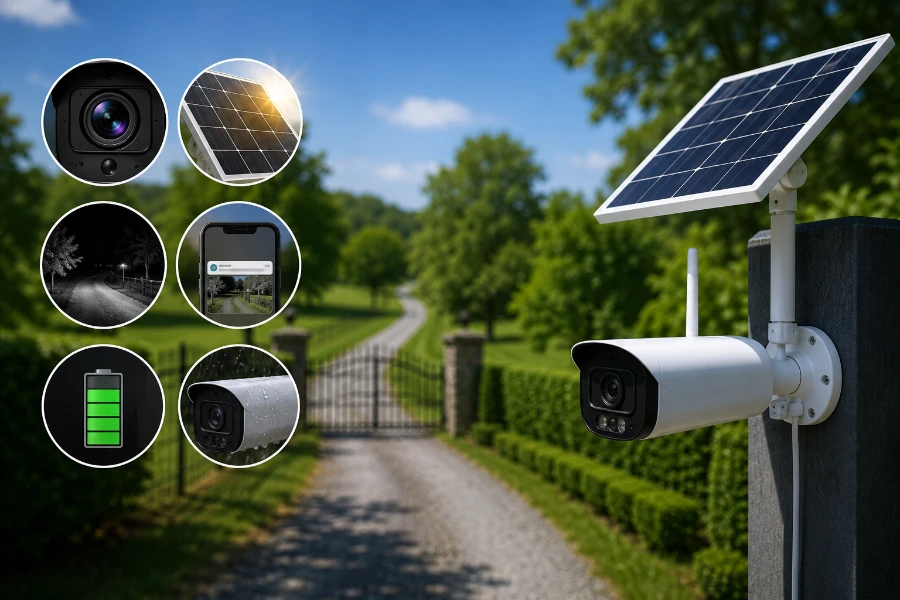
Not every camera delivers the same level of performance.
Understanding which features matter most can help you make a smarter investment.
High-Resolution Video Quality
Image clarity should be a priority.
A blurry recording rarely helps identify a person or vehicle.
Look for:
- 1080p minimum resolution
- 2K preferred
- 4K for large properties
Higher resolution improves:
- Facial visibility
- License plate capture
- Evidence quality
- Incident documentation
If your driveway extends several hundred feet, higher resolution becomes even more important.
Night Vision Performance
Most security events occur after dark.
Night vision quality should never be overlooked.
Common options include:
Infrared Night Vision
Produces black-and-white nighttime footage while consuming minimal power.
Full-Color Night Vision
Captures color details in low-light environments.
This can help identify vehicle colors, clothing, and other important details.
Spotlight Night Vision
Some systems activate built-in spotlights when motion occurs.
This improves image quality and can discourage unwanted visitors from lingering.
Wide Viewing Angles
A narrow camera angle creates blind spots.
A wider field of view captures more activity.
For most driveway installations, viewing angles between 120 and 150 degrees provide excellent coverage.
However, extremely long driveways may benefit from multiple cameras instead of relying on a single unit.
Smart Mobile Alerts
A security system is only useful if you know when something happens.
Look for cameras that offer:
- Real-time notifications
- Live video viewing
- Motion event playback
- Two-way audio
- Custom alert zones
Quick access to footage allows faster decision-making when activity occurs.
Weather Resistance
Outdoor equipment faces challenging conditions.
Rain.
Dust.
Wind.
Snow.
Extreme temperatures.
A quality solar driveway camera should be designed to handle them all.
| Rating | Protection Level |
| IP65 | Water-resistant and dust protected |
| IP66 | Enhanced weather protection |
| IP67 | Excellent durability in harsh conditions |
The higher the rating, the greater the protection.
Long Battery Endurance
Battery performance becomes especially important during periods of poor weather.
The best systems continue operating even after several cloudy days.
Improvements in energy efficiency have allowed modern cameras to run longer while consuming less power than earlier generations.
For many property owners, this added reliability provides significant peace of mind.
Research Similar Camera Systems Before Buying
Before selecting a specific model, it is worth reviewing the latest best solar security cameras available on the market. Comparing image quality, connectivity options, battery performance, and weather ratings can help you identify the right solution for your driveway.
Benefits of Installing a Solar Driveway Camera
The growing popularity of solar-powered surveillance is not happening by accident.
Property owners are discovering that these systems solve several problems at once.
They improve security. They reduce installation complexity and they also provide flexibility that traditional wired systems often cannot match.
Easy Installation
One of the biggest advantages of a solar driveway camera is simplicity.
There is no need to dig trenches.
No need to hire electricians.
No need to run power cables hundreds of feet across a property.
In many cases, installation can be completed within a few hours.
The process usually involves:
- Mounting the camera
- Positioning the solar panel
- Connecting the components
- Configuring the mobile app
That is significantly easier than installing a traditional wired surveillance system.
Lower Long-Term Costs
Security systems should provide value, not create ongoing expenses.
A solar driveway camera eliminates electricity costs associated with continuous operation.
It also reduces the likelihood of expensive wiring repairs and maintenance.
While the initial purchase price may be slightly higher than some entry-level wired cameras, many property owners find that the long-term savings offset the difference.
Ideal for Remote Locations
Remote properties often present unique security challenges.
There may be no nearby power source.
Internet connectivity may be limited.
Access roads may stretch for hundreds or even thousands of feet.
These are precisely the environments where solar-powered surveillance excels.
Common applications include:
- Farms
- Ranches
- Hunting properties
- Vacation cabins
- Construction sites
- Equipment storage yards
- Agricultural operations
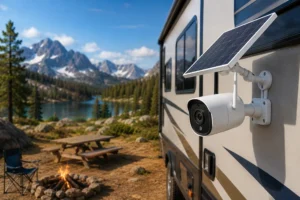
The same off-grid advantages that make driveway surveillance effective are also why many travelers rely on solar cameras for RVs when monitoring campsites, mobile living spaces, and remote parking locations.
Environmentally Responsible Security
Many property owners appreciate the environmental benefits of solar-powered technology.
By utilizing renewable energy, a solar driveway camera reduces reliance on grid electricity while maintaining reliable operation.
Although security is usually the primary motivation, the environmental advantages are a welcome bonus.
Best Locations for Solar Driveway Camera Installation
Camera placement can dramatically affect performance.
Even the best equipment can struggle if installed incorrectly.
Residential Driveways
For homes, common installation points include:
- Main driveway entrance
- Garage approach
- Front gate
- Side access roads
The goal is to capture clear images of vehicles and individuals before they reach the residence.
Rural Properties
Large properties often require broader coverage.
Strategic placement may include:
- Farm entrances
- Private roads
- Equipment storage areas
- Livestock access points
- Secondary entry routes
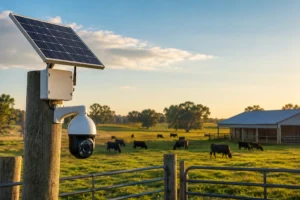
In rural environments, cameras frequently serve both security and operational monitoring purposes.
Commercial Properties
Businesses can also benefit significantly from driveway surveillance.
Useful locations include:
- Warehouse entrances
- Parking lot access points
- Loading zones
- Construction site gates
- Equipment yards
Monitoring vehicle activity helps improve security while providing documentation when incidents occur.
Solar Driveway Camera vs Wired Security Camera
Both systems have strengths.
The right choice depends on the property and security objectives.
Installation Comparison
| Factor | Wired Camera | Solar Driveway Camera |
| Electrical Work | Required | Not Required |
| Trenching | Often Required | Not Required |
| Installation Time | Longer | Shorter |
| Relocation Flexibility | Limited | Excellent |
For properties with long driveways, the installation savings can be substantial.
Reliability Comparison
Wired systems provide continuous power when electricity is available.
However, power outages can interrupt operation unless backup systems are installed.
A solar driveway camera stores energy in rechargeable batteries, allowing operation even during many power disruptions.
Cost Comparison
Installation costs often represent the largest difference.
A wired camera system may require:
- Electricians
- Trenching
- Conduit
- Additional labor
Solar systems eliminate many of these expenses.
As a result, total project costs are often significantly lower.
Expansion Flexibility
Properties evolve over time.
Driveways change.
New buildings are added.
Additional security coverage becomes necessary.
Solar-powered cameras are much easier to relocate or expand compared to wired alternatives.
That flexibility can be extremely valuable in the long term.
Common Challenges and How to Overcome Them
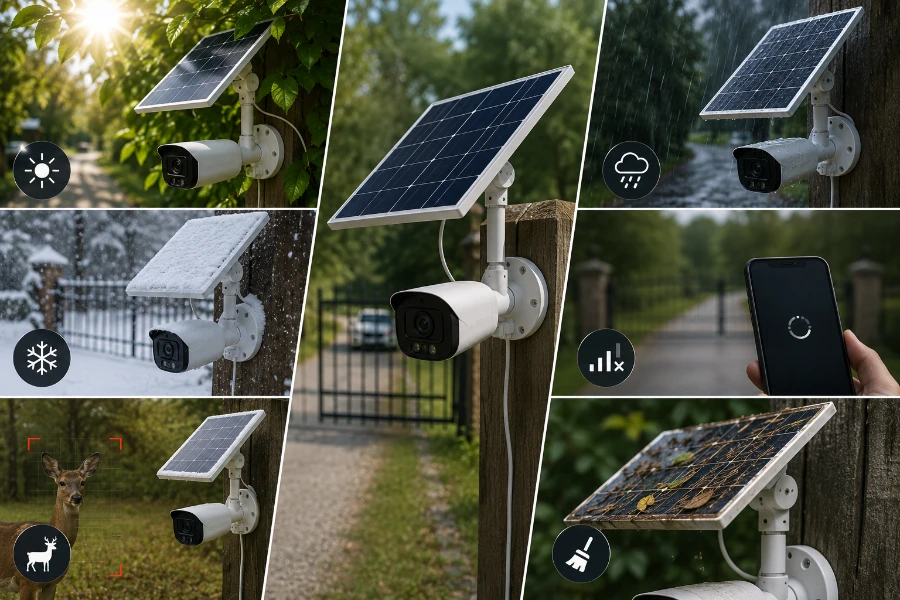
No technology is perfect.
Understanding potential limitations helps maximize performance.
Limited Sunlight Exposure
Solar charging depends on adequate sunlight.
Heavy tree cover, buildings, and other obstructions can reduce charging efficiency.
Solutions include:
- Relocating the solar panel
- Using extension cables
- Trimming vegetation
- Selecting larger solar panels
A few simple adjustments can dramatically improve charging performance.
False Motion Alerts
Poor camera placement can create unnecessary notifications.
Common triggers include:
- Tree branches
- Passing wildlife
- Moving shadows
- Nearby roads
To reduce false alerts:
- Adjust sensitivity settings
- Create custom activity zones
- Utilize AI filtering features
These changes often improve accuracy immediately.
Connectivity Issues
Wireless systems require reliable communication.
If WiFi coverage is weak:
- Install WiFi extenders
- Upgrade network equipment
- Consider LTE-enabled models
For many remote properties, cellular connectivity provides the most reliable solution.
Winter Performance
Winter presents unique challenges.
Shorter days mean fewer charging hours.
Snow accumulation may cover solar panels.
Battery efficiency can also decrease in extremely cold conditions.
Helpful strategies include:
- Clearing snow from panels
- Optimizing panel orientation
- Choosing cameras with larger battery reserves
- Using weather-rated equipment
Preparation helps maintain consistent operation year-round.
How to Maximize Solar Driveway Camera Performance
A few simple practices can significantly improve results.
Position the Solar Panel Correctly
Panel placement matters.
The solar panel should receive maximum daily sunlight.
Avoid:
- Dense tree cover
- Roof overhangs
- Tall fences
- Nearby structures
Even minor shading can reduce charging performance.
Keep the Panel Clean
Dust, pollen, leaves, and bird droppings can accumulate over time.
Cleaning the panel periodically helps maintain optimal charging efficiency.
Fortunately, maintenance requirements are minimal.
Optimize Detection Zones
Modern cameras allow users to define activity zones.
Instead of monitoring the entire scene, focus on areas that matter most.
For example:
- Driveway entrances
- Vehicle pathways
- Gate openings
This improves alert accuracy while conserving battery life.
Update Firmware Regularly
Manufacturers frequently release updates that improve:
- Security
- Motion detection
- Battery management
- App functionality
Keeping software current ensures the best possible performance.
Who Should Buy a Solar Driveway Camera?
These systems are surprisingly versatile.
Homeowners
Homeowners gain:
- Improved security
- Package monitoring
- Visitor awareness
- Vehicle protection
The installation simplicity alone makes solar-powered surveillance attractive.
Rural Property Owners
Large properties often have limited infrastructure.
A solar driveway camera provides monitoring where traditional systems may be impractical.
Business Owners
Businesses benefit from:
- Access control monitoring
- Asset protection
- Incident documentation
- Vehicle tracking
Driveway surveillance often serves as the first layer of commercial security.
Vacation Property Owners
Remote properties frequently sit vacant for extended periods.
Solar-powered cameras provide visibility and alerts without requiring frequent site visits.
For seasonal homes, this can be extremely valuable.
Future Trends in Solar Driveway Camera Technology
Technology continues advancing rapidly.
The next generation of driveway surveillance will likely be even more capable.
AI-Powered Analytics
Artificial intelligence is becoming increasingly sophisticated.
Future systems may provide:
- Advanced vehicle recognition
- License plate identification
- Behavioral analysis
- Predictive threat detection
These features could dramatically improve security effectiveness.
Better Solar Charging Efficiency
Solar panel technology continues improving.
Future cameras will likely:
- Charge faster
- Require less sunlight
- Operate longer on stored energy
This will further increase reliability.
Smarter Home Integration
Many security systems already integrate with smart home platforms.
Future developments may include:
- Automated lighting activation
- Voice assistant integration
- Enhanced mobile automation
- Expanded security ecosystem connectivity
The result will be a more seamless user experience.
Conclusion
A solar driveway camera offers a practical, flexible, and cost-effective way to secure one of the most important areas of any property.
It provides visibility where traditional wired systems often struggle.
It reduces installation complexity.
and it minimizes ongoing operating costs.
Most importantly, it delivers valuable awareness of who enters and exits your property every day.
Whether you own a suburban home, a remote ranch, a commercial facility, or a vacation cabin, a solar driveway camera can provide dependable surveillance without the limitations of conventional systems.
As solar technology, battery performance, and artificial intelligence continue improving, these systems will only become more capable. For property owners seeking reliable entrance monitoring, investing in a solar driveway camera is not simply a convenience—it is a smart security decision that can provide protection and peace of mind for years to come.
FAQs
A solar driveway camera is a wireless security camera powered by a solar panel and rechargeable battery, allowing it to operate without a direct electrical connection.
Yes. The solar panel charges the battery during the day, and the stored energy powers the camera throughout the night.
Most models require only a few hours of direct sunlight daily, although requirements vary depending on camera usage and battery capacity.
Yes. Quality systems store excess energy in rechargeable batteries, allowing them to continue operating through cloudy days and periods of reduced sunlight.
Yes. They are ideal for long driveways because they eliminate the need to run electrical wiring across large distances.
Not always. Some models use WiFi, while others connect through 4G LTE cellular networks, making them suitable for remote locations.
Battery life varies by model and activity level, but many systems can continue operating for several days or even weeks without direct sunlight.
Yes. Cameras with 2K or 4K resolution provide clearer images that can improve vehicle identification and license plate visibility.
No. Most systems are designed for simple installation and typically require only mounting the camera, positioning the solar panel, and connecting through a mobile app.
For many property owners, it offers convenient, reliable, and cost-effective security.