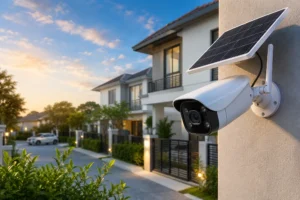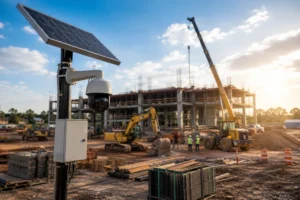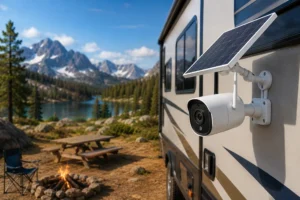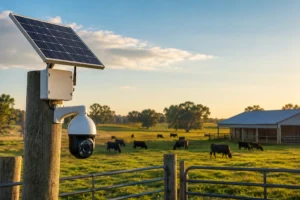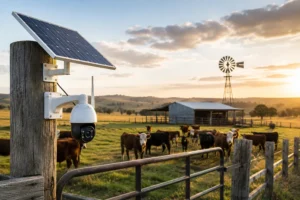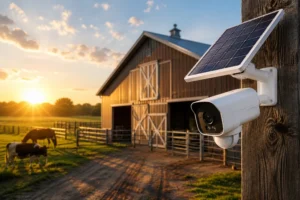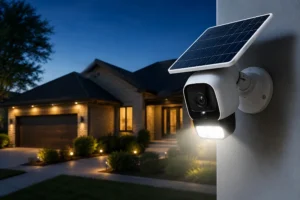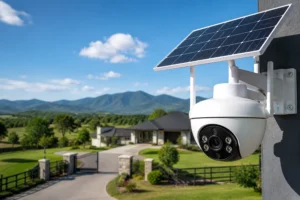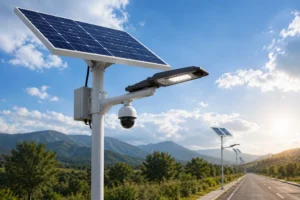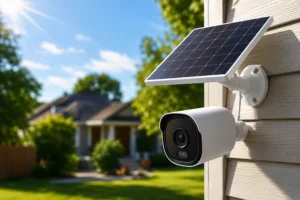
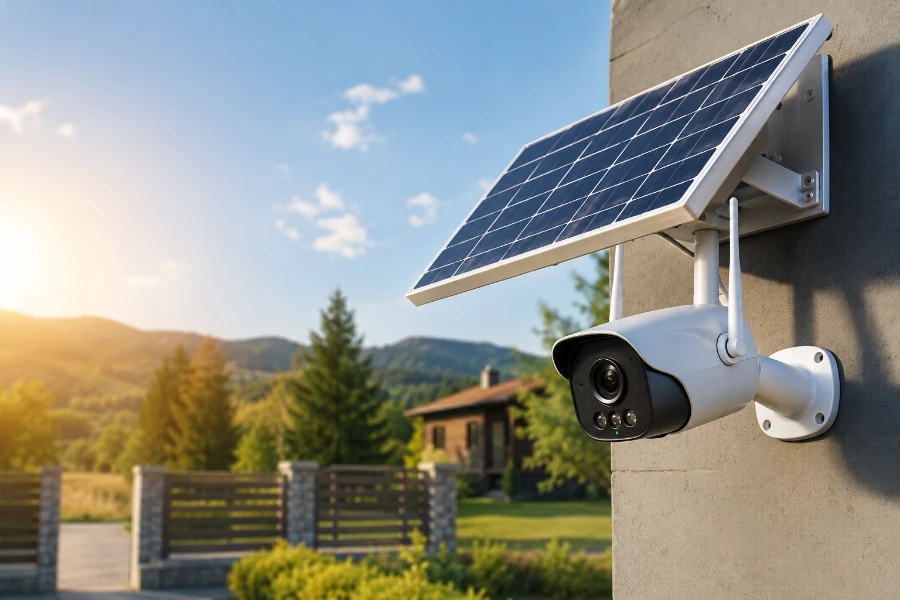
Understanding how does solar CCTV camera works is no longer just for security installers or tech enthusiasts. Homeowners, farmers, warehouse operators, RV owners, and business managers are now turning to solar-powered surveillance because it solves a very real problem: security where power outlets are inconvenient, expensive, or completely unavailable.
And honestly? The technology has improved dramatically.
A modern solar CCTV camera can monitor a remote gate, record motion at night, send alerts directly to your phone, and keep running during power outages — all while charging itself from sunlight. That’s a big leap from the bulky wired systems most people still picture when they hear the word “CCTV.”
The appeal is obvious. Fewer wires. Lower power costs. Flexible installation. Better reliability in off-grid locations.
But many people still ask the same question: how does solar CCTV camera works in real-world conditions?
Let’s break it down step by step in plain English.
What Is a Solar CCTV Camera?
A solar CCTV camera is a surveillance camera powered partially or entirely by solar energy. Instead of relying solely on electrical wiring connected to a building, the camera uses a solar panel to generate electricity and a rechargeable battery to store power.
The setup usually includes:
- A solar panel
- A rechargeable battery
- The camera itself
- Wireless connectivity
- Video storage options
Some systems are completely wire-free. Others combine solar charging with traditional backup power.
The core idea is simple. Sunlight powers the camera during the day, while stored battery energy keeps it running at night.
That’s why solar-powered security systems have exploded in popularity for:
- Farms
- Construction sites
- Remote cabins
- Parking lots
- Vacation homes
- Boats
- RVs
- Warehouses
- Rural properties
In many cases, installing a traditional wired camera would require trenching electrical lines across large distances. Solar removes that problem entirely.
The Main Components Inside a Solar CCTV System
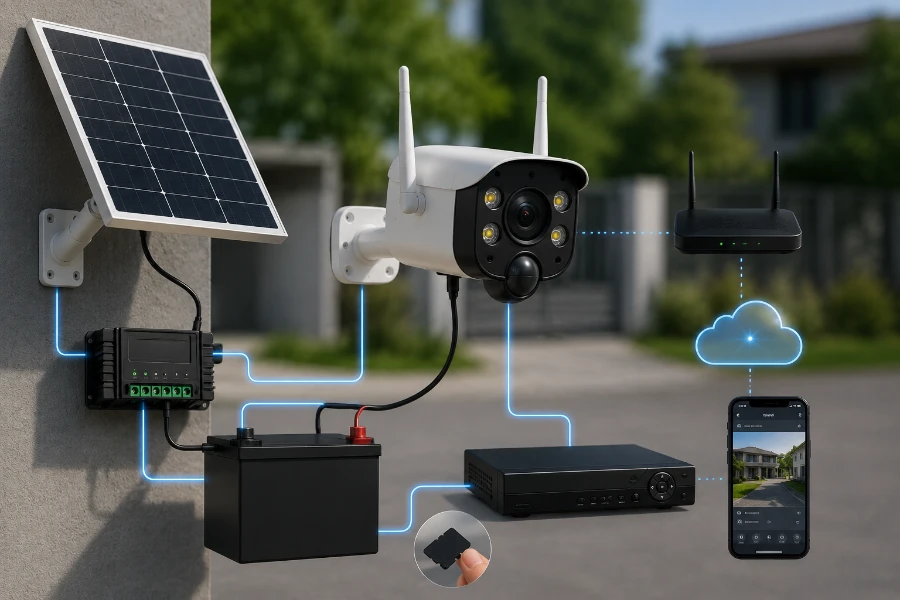
To fully understand how does solar CCTV camera works, you need to understand the parts working together behind the scenes.
Solar Panel
The solar panel is the energy generator.
It captures sunlight using photovoltaic cells and converts solar energy into electricity. Even compact panels can generate enough power to run modern low-energy cameras.
Panel size matters.
A tiny panel may struggle during cloudy weather, while a larger panel can maintain better battery reserves.
Most outdoor solar cameras use monocrystalline panels because they are more efficient and compact.
Rechargeable Battery
The battery stores unused solar energy.
During daylight hours, excess power charges the battery. At night, the battery powers the camera when sunlight disappears.
Without the battery, the system would shut off every evening.
Battery capacity directly affects runtime. Larger batteries allow longer operation during storms or extended cloudy periods.
Common battery types include:
| Battery Type | Benefits | Drawbacks |
|---|---|---|
| Lithium-ion | Lightweight and efficient | Higher cost |
| LiFePO4 | Longer lifespan and safer | Slightly bulkier |
| Lead-acid | Lower upfront cost | Heavy and shorter lifespan |
Most quality solar CCTV systems now use lithium-based batteries.
Camera Unit
This is the actual surveillance device.
Modern solar cameras may include:
- HD or 4K recording
- Motion detection
- Infrared night vision
- Two-way audio
- AI object recognition
- Wide-angle lenses
- Pan and tilt controls
The camera captures footage continuously or only when triggered by motion.
Charge Controller
The charge controller regulates electricity flow between the solar panel and battery.
Its job is critical.
Too much charging can damage batteries. Too little charging reduces efficiency. The controller balances everything automatically.
Think of it as the traffic manager for the entire system.
Storage System
Solar CCTV footage needs somewhere to go.
Most systems use one or more of these methods:
- MicroSD cards
- Cloud storage
- Network video recorders (NVR)
- Internal memory
Cloud storage adds convenience but often requires subscriptions.
Local storage gives more privacy but limited space.
Wireless Connectivity
Most solar cameras are wireless.
That means footage can be accessed remotely through:
- Wi-Fi
- 4G LTE cellular networks
- Mobile apps
- Smart home integrations
This flexibility is one reason solar CCTV systems have become so practical.
Modern solar surveillance systems are becoming surprisingly advanced, combining AI detection, cloud storage, and efficient battery management in ways that almost resemble complex scientific systems like Topological insulator research, where energy behavior and material efficiency play a major role.
How Does Solar CCTV Camera Works Step by Step?
Now let’s walk through the full process.
This is where everything comes together.
Step 1: Solar Panels Capture Sunlight
The process begins when sunlight hits the photovoltaic cells inside the solar panel.
Those cells generate direct current (DC) electricity.
Even on partly cloudy days, panels can still produce power, although efficiency drops compared to full sunlight.
The stronger the sunlight exposure, the faster the battery charges.
That’s why proper panel placement matters so much.
Step 2: Electricity Charges the Battery
Generated electricity flows into the rechargeable battery through the charge controller.
The battery stores energy for later use.
This stored energy becomes essential during:
- Nighttime
- Rainstorms
- Heavy cloud cover
- Winter conditions
Without sufficient battery reserves, camera uptime suffers.
Higher-end systems are designed to maintain several days of standby power.
Step 3: The Camera Activates
Once power becomes available, the camera operates normally.
Depending on system settings, it may:
- Record continuously
- Activate only during motion
- Stream live video
- Enter low-power standby mode
Motion-triggered recording is extremely common because it conserves battery life.
This is especially important for smaller solar setups.
Step 4: The Camera Records Footage
The camera captures video using its image sensor.
Modern solar CCTV cameras often include infrared LEDs for night vision, allowing recording even in total darkness.
Some advanced systems now support color night vision using low-light sensors and spotlight assistance.
The footage can include:
- Live video
- Snapshots
- Motion clips
- AI-detected events
Smart systems can even distinguish between people, vehicles, animals, and moving trees.
That reduces false alerts dramatically.
Step 5: Video Is Stored or Sent Remotely
Finally, footage gets saved or transmitted.
Depending on the system, recordings may:
- Save to local memory cards
- Upload to cloud servers
- Send clips directly to your smartphone
Many systems also provide instant push notifications when motion is detected.
That’s one reason understanding how does solar CCTV camera works has become increasingly important for property owners. These cameras are no longer passive recording tools. They are active monitoring systems.
Types of Solar CCTV Cameras
Not all solar cameras are built the same.
Different environments require different designs.
Solar Wireless Cameras
These are the most common residential models.
They connect through Wi-Fi and work well for:
- Front doors
- Garages
- Backyards
- Driveways
Installation is usually simple. Mount the panel, connect the camera, sync the app, and you’re done.
Solar 4G LTE Cameras
No Wi-Fi? No problem.
4G solar cameras use cellular data through SIM cards.
These are ideal for:
- Farms
- Remote gates
- Construction sites
- Ranches
- Vacation cabins
They operate almost anywhere with cellular coverage.
PTZ Solar Cameras
PTZ stands for pan, tilt, and zoom.
These cameras can rotate and zoom remotely, covering large areas more effectively than fixed cameras.
They are commonly used for:
- Industrial yards
- Large parking lots
- Warehouses
- Outdoor events
Solar Trail Cameras
Trail cameras are designed for outdoor wildlife or agricultural monitoring.
They activate only when motion is detected, preserving battery life.
Hunters, farmers, and landowners use them heavily.
The Biggest Benefits of Solar CCTV Cameras
The popularity of solar-powered security systems is not accidental.
The advantages are substantial.
Lower Electricity Costs
Solar cameras consume sunlight instead of drawing continuous electricity from the grid.
The savings add up over time, especially across multiple cameras.
Easier Installation
Traditional CCTV installations often require:
- Electricians
- Wall drilling
- Cable routing
- Trenching
Solar cameras dramatically reduce complexity.
That flexibility matters.
Reliable During Power Outages
This is huge.
Grid-connected cameras may fail during blackouts unless backup systems exist.
Solar cameras with battery storage continue operating independently.
For security purposes, that reliability is incredibly valuable.
Eco-Friendly Operation
Solar energy reduces reliance on fossil fuel-generated electricity.
For businesses trying to improve sustainability goals, solar surveillance aligns naturally with green initiatives.
Excellent for Remote Monitoring
Some locations simply don’t have nearby electrical infrastructure.
Solar solves that problem cleanly.
A solar camera can monitor:
- Empty lots
- Farm entrances
- Remote storage yards
- Utility infrastructure
- Wildlife areas
without expensive electrical work.
Common Limitations You Should Understand
No technology is perfect.
And solar CCTV systems absolutely have limitations.
Sunlight Dependency
Poor weather reduces charging efficiency.
Heavy rain or long winter periods can impact battery reserves.
That’s why placement matters so much.
Battery Runtime Constraints
Small batteries can drain quickly if:
- Continuous recording is enabled
- Night vision runs constantly
- Temperatures become extremely cold
Energy management matters.
Internet Challenges
Wi-Fi cameras need stable internet connections.
Remote areas sometimes struggle with weak connectivity.
4G cameras help solve this issue but introduce monthly data costs.
Higher Upfront Cost
A quality solar CCTV setup usually costs more initially than a basic wired camera.
However, installation savings and reduced electrical costs often balance the equation over time.
How to Make Solar CCTV Cameras Work Better
This is where many installations succeed or fail.
Small adjustments can make a massive difference.
Position Solar Panels Properly
Always maximize direct sunlight exposure.
Avoid:
- Tree shadows
- Roof overhangs
- Nearby buildings
- Utility poles
South-facing placement often works best in many regions.
Use Motion Recording Instead of Continuous Recording
Continuous recording drains batteries quickly.
Motion-triggered systems dramatically improve efficiency.
For most residential properties, motion activation is more than enough.
Clean the Solar Panels
Dust, bird droppings, pollen, and dirt reduce charging efficiency.
Even a thin layer of grime matters.
A quick wipe every few weeks helps maintain optimal performance.
Match Battery Capacity to Camera Usage
High-resolution cameras consume more energy.
So do cameras with:
- Spotlights
- Constant streaming
- PTZ movement
- AI processing
Always size the battery appropriately.
Best Places to Install Solar CCTV Cameras
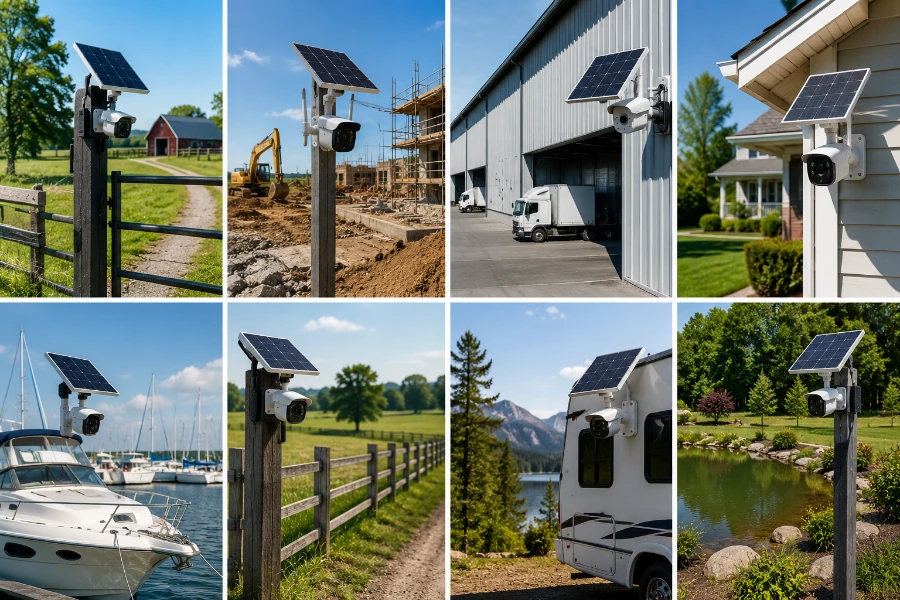
Solar surveillance shines in locations where wiring becomes difficult or expensive.
Excellent installation areas include:
| Location | Why Solar Works Well |
|---|---|
| Farms | Large open areas with sunlight |
| Construction sites | Temporary infrastructure |
| Parking lots | Reduced trenching costs |
| RVs | Mobile security |
| Boats and docks | Off-grid operation |
| Remote cabins | No utility access |
| Warehouses | Perimeter coverage |
| Ranches | Long-distance monitoring |
The flexibility is one of the strongest selling points.
Features Worth Looking For
When buying a solar CCTV system, focus on practical features instead of flashy marketing.
Video Quality
Aim for at least 1080p resolution.
Higher resolutions provide better facial and license plate clarity.
Night Vision Performance
Good night vision is critical.
Infrared systems remain common, but color night vision is improving rapidly.
Weather Resistance
Look for IP65 or IP66 weatherproof ratings.
Outdoor cameras face:
- Rain
- Heat
- Dust
- Wind
- Humidity
Build quality matters.
Mobile App Quality
A bad app ruins the experience.
Reliable apps should provide:
- Instant alerts
- Easy playback
- Remote viewing
- User-friendly controls
AI Motion Detection
Smart detection reduces unnecessary notifications.
Human detection alone can dramatically improve usability.
Are Solar CCTV Cameras Worth It?
For many users, absolutely.
Especially if:
- Electrical access is limited
- You need flexible installation
- You want lower operating costs
- You need surveillance during outages
- You monitor remote properties
Understanding how does solar CCTV camera works helps buyers make smarter decisions instead of falling for marketing hype.
The best systems are not necessarily the most expensive. They are the systems properly matched to the environment.
Solar charging efficiency continues improving every year, and the growth of renewable-powered security systems aligns closely with broader clean-energy initiatives supported by the U.S. Department of Energy Solar Energy Basics program.
A small backyard setup needs something different than a remote industrial yard.
That distinction matters.
The Future of Solar CCTV Technology
The next few years will push solar surveillance even further.
Battery efficiency is improving fast. AI detection keeps getting smarter. Solar panels continue becoming more compact and powerful.
We are also seeing stronger integration with:
- Smart home systems
- Voice assistants
- Cloud AI analytics
- Automated threat detection
Some advanced systems already track movement automatically and distinguish between suspicious behavior and harmless activity.
That’s impressive.
And it’s only the beginning.
Final Thoughts
So, how does solar CCTV camera works in practical terms?
Sunlight powers a panel. The panel charges a battery. The battery powers the camera. The camera records footage and sends alerts through wireless connections. Everything works together as a self-sustaining security system.
Simple concept. Powerful application.
For homes, businesses, farms, construction projects, and remote properties, solar-powered surveillance has become one of the most flexible security solutions available today.
And honestly, the convenience is hard to ignore.
Less wiring. Greater placement freedom. Better resilience during outages. Lower long-term energy costs.
That combination explains exactly why solar CCTV systems continue gaining momentum across the world.
FAQs
A solar CCTV camera uses a solar panel to collect sunlight and convert it into electricity, which charges a rechargeable battery that powers the camera.
Yes. The battery stores solar energy during the day so the camera can continue operating throughout the night.
Most quality systems can still function during cloudy days because they rely on stored battery power when sunlight is limited.
Not always. Some models use Wi-Fi, while others use 4G LTE cellular networks with SIM cards for remote access.
Battery life varies by model, but many systems can operate for several days without direct sunlight when fully charged.
No. Most solar CCTV cameras are designed for easy installation with minimal wiring and simple mounting hardware.
Some can, but many systems use motion detection recording to conserve battery power and storage space.
Most outdoor solar cameras are built with weather-resistant ratings like IP65 or IP66 to handle rain, dust, and heat.
Install the camera and solar panel in an area with strong direct sunlight and a clear view of the space you want to monitor.
For remote locations, power outage protection, and easier installation, solar CCTV cameras can be a very practical long-term security solution.